
The complete guide
How to Choose a Hidden Drawer Safe for Your Space
When everyday storage needs a lock
A desk drawer is convenient, but it is not always the place you want to leave personal valuables. Small items can get mixed in with paperwork, sit in plain view or end up in a different spot each evening. A dedicated locked drawer gives them a more deliberate home.
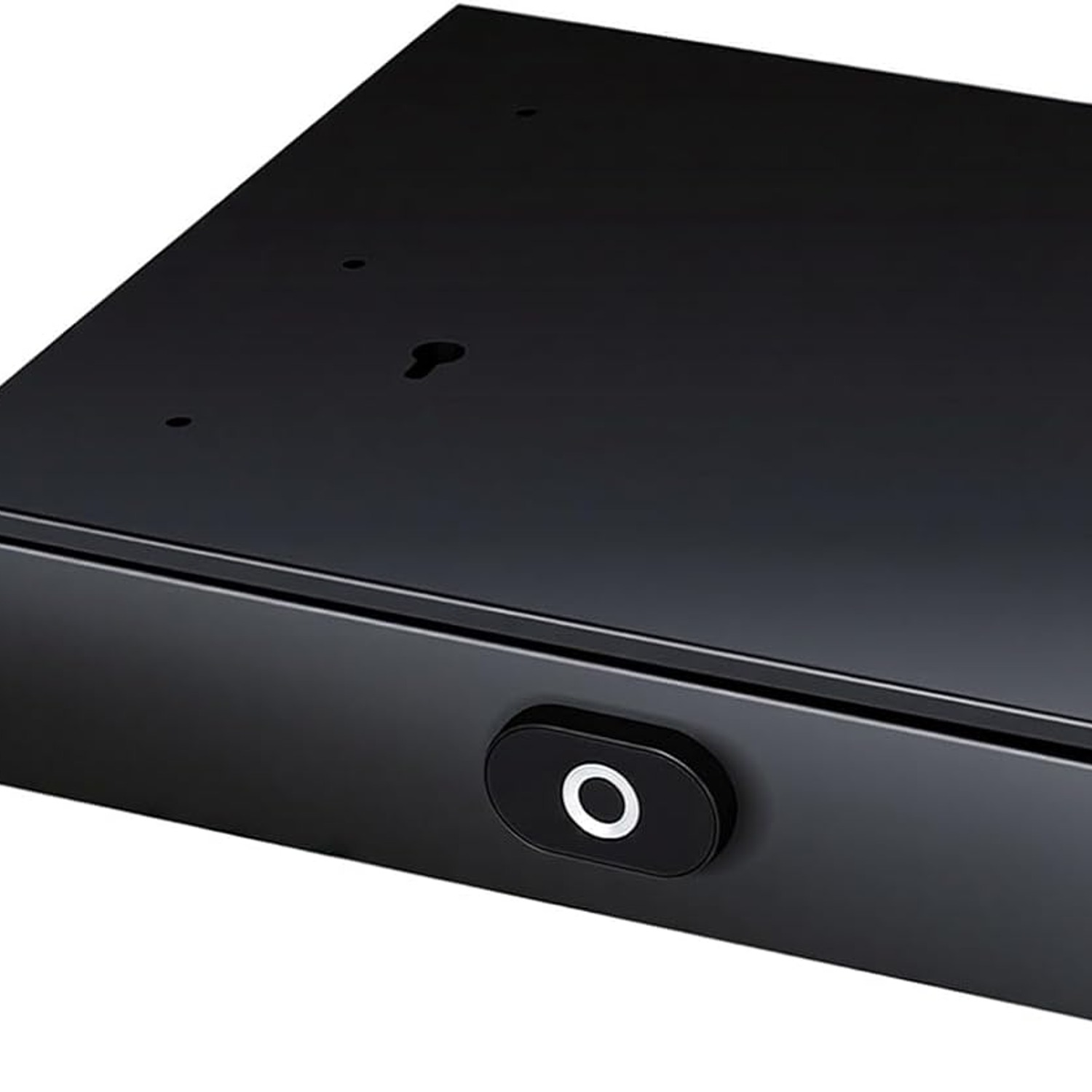
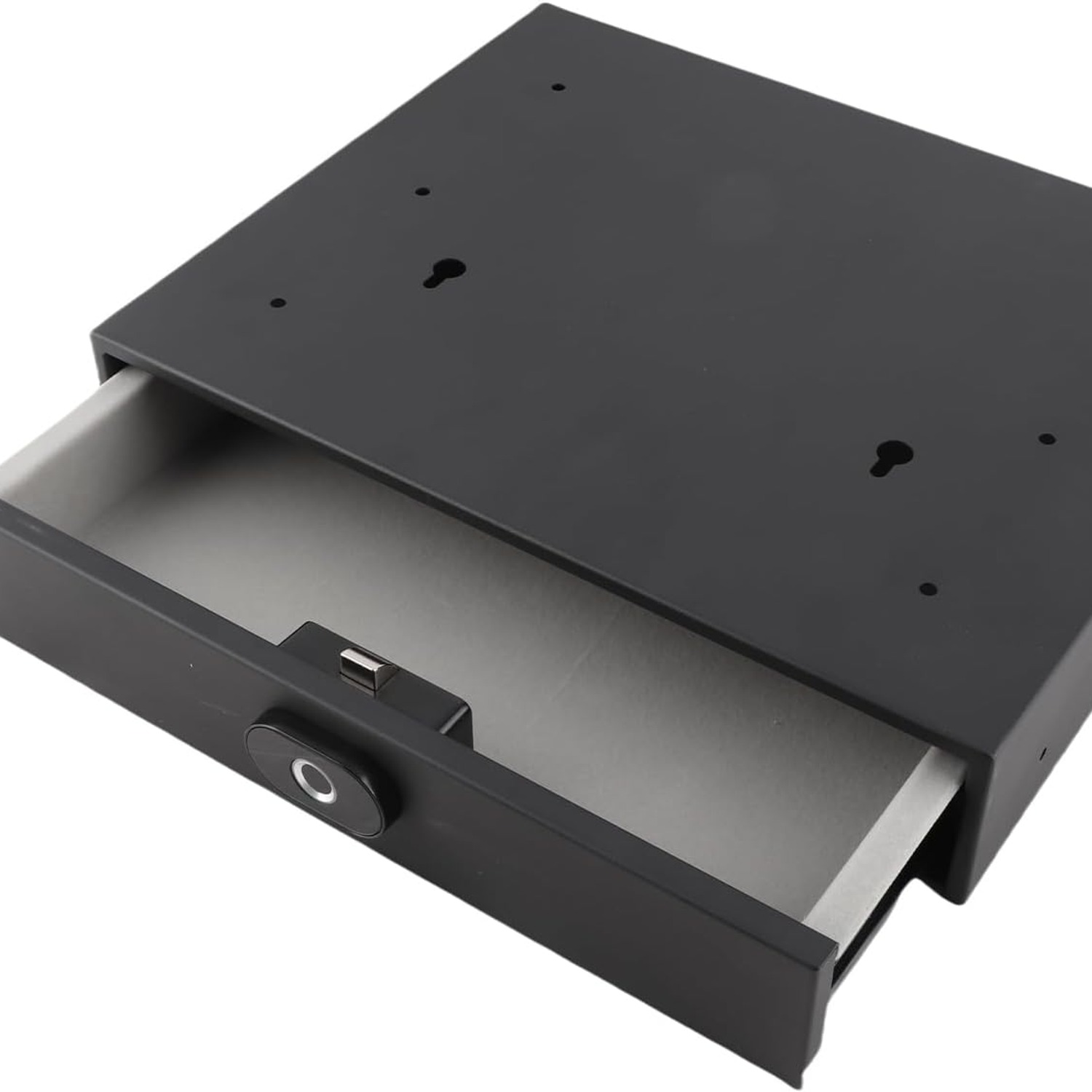
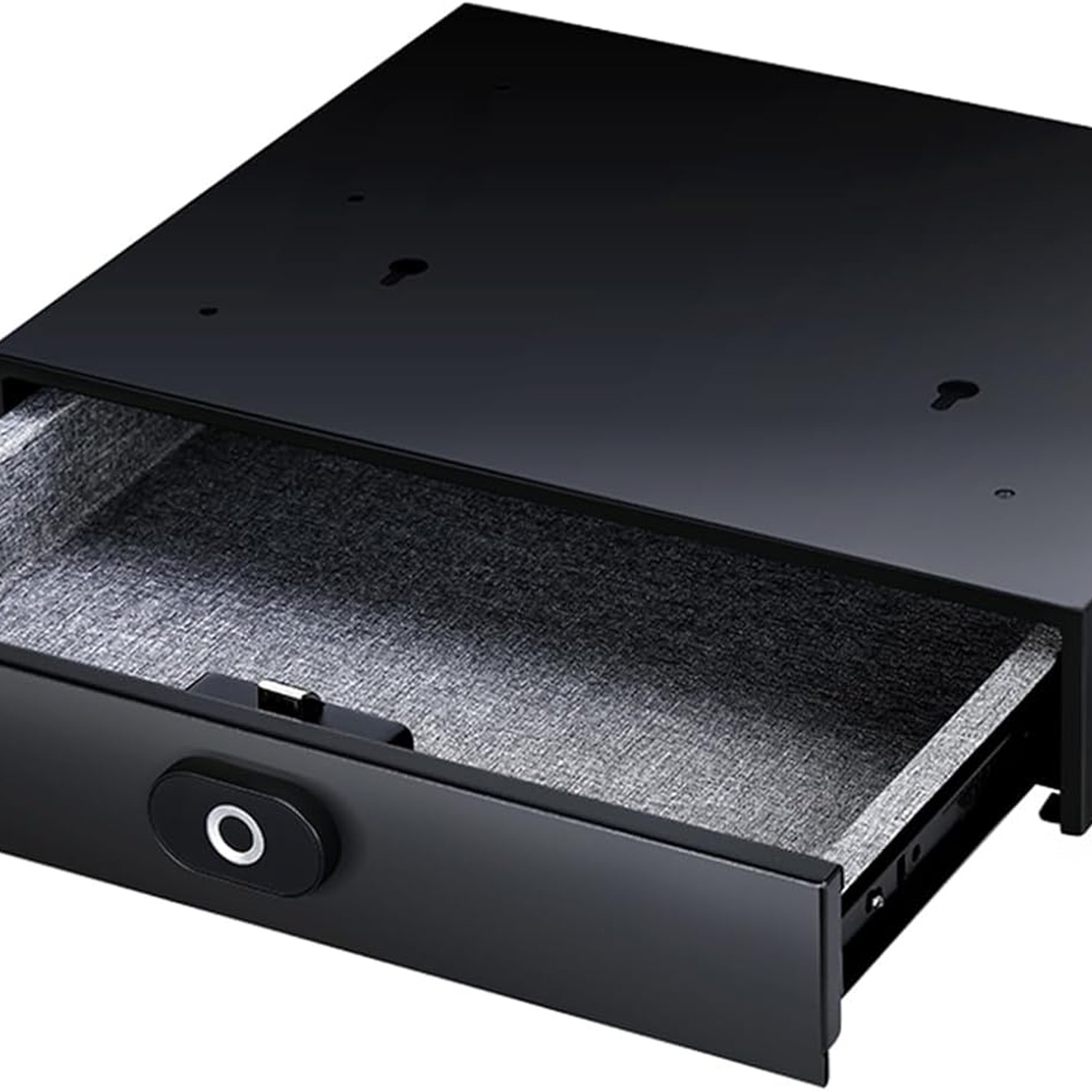
This hidden drawer safe pairs fingerprint access with a sliding drawer. Its listed size is 39 x 32 x 11 cm, so the shape is low rather than tall. That can be useful when you are planning storage around furniture instead of making room for a larger cabinet.
The right choice still depends on more than shape. You need to know where it will sit, what must fit inside and how you will regain access if normal fingerprint entry is unavailable. This guide helps you separate the confirmed features from the details worth checking.
How the fingerprint drawer works
This model uses a biometric lock with touch control. In normal use, a registered fingerprint is the means of access. Setup should follow the supplied instructions, including any steps for adding or removing an authorised user.
The drawer runs on a listed silent slide rail. Once unlocked, the slide-out format brings the storage area towards you. That is a different access pattern from a safe with a hinged front door or a lid that opens upwards.
Before putting anything important inside, practise opening and closing it while empty. Check that you can reach the sensor naturally and that the drawer has a clear path. Also confirm how the lock signals that it is closed. Those small checks matter more in daily use than a feature name alone.
Measure the whole location
Start with the listed dimensions of 39 x 32 x 11 cm. Mark out that footprint on the surface where you plan to place the safe. A paper template can help you see whether it will crowd cables, furniture legs or other items.
Then think about movement. A slide out safe needs free space in front, not just enough room for its closed body. The full opening clearance is not specified here, so confirm it if the location is tight.
Allow room for your hand as well. You should not have to reach awkwardly around a desk support to use the fingerprint sensor. Charging access also needs thought. A safe that fits neatly but requires moving furniture whenever it needs power may be inconvenient.
The listed weight is 4 kg before you add contents. Check the strength and stability of the intended support rather than judging by appearance.
Check capacity against your actual belongings
Outer measurements are useful for placement, but they do not tell you the usable storage space. Walls, the lock and the drawer mechanism all take up room. Confirm internal dimensions before buying for a specific item.
Gather the belongings you expect to store and measure them together. Consider their thickness as well as their length and width. A protective jewellery box or document sleeve adds bulk, and tightly packed storage can make items harder to retrieve.
If you want a small fingerprint safe for several frequently used objects, think about access order. You should be able to remove one item without emptying everything else. Leaving some spare room can make the drawer easier to use.
Do not assume that papers will fit flat because the external footprint looks large enough. Ask for usable internal measurements first.
Decide whether under-desk placement makes sense
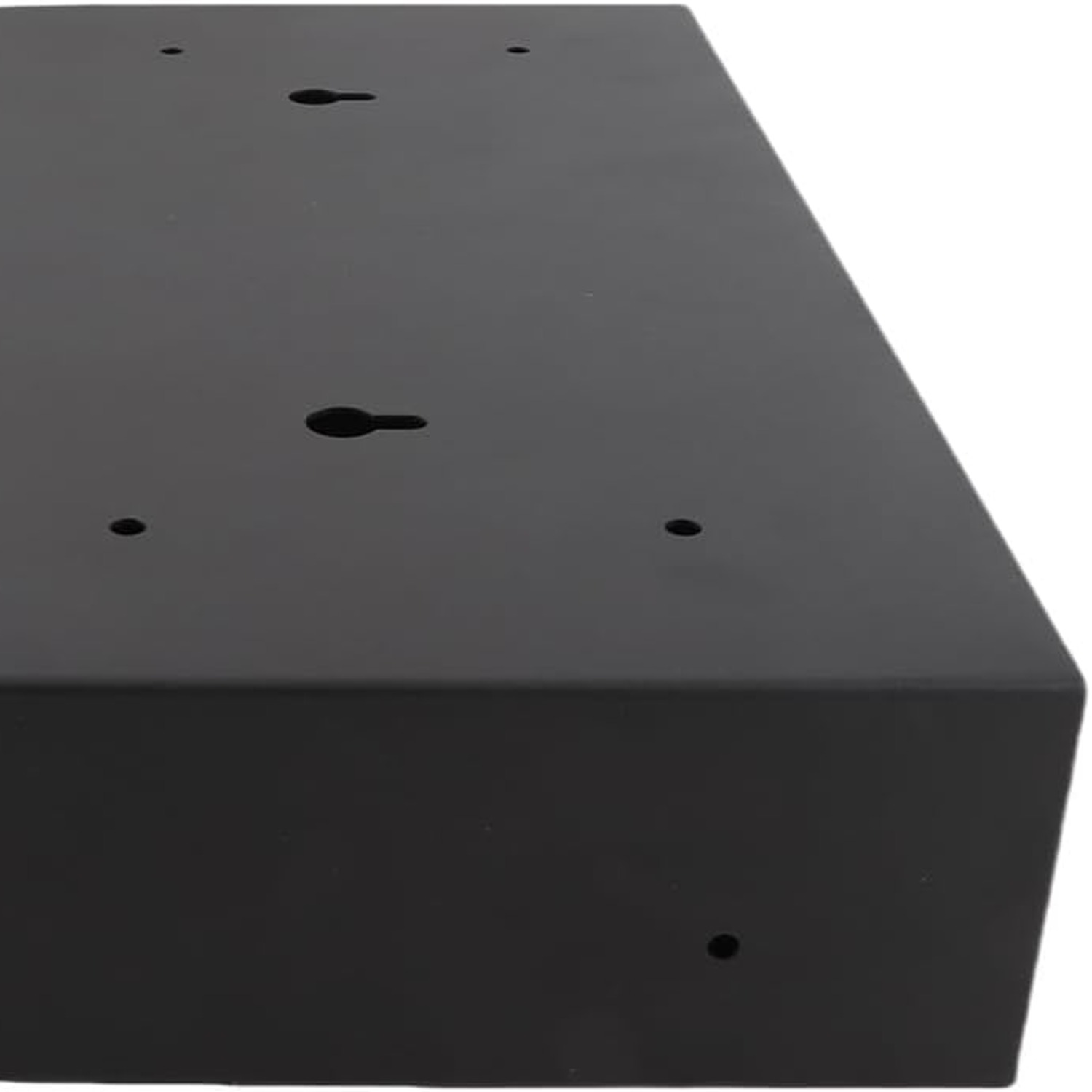
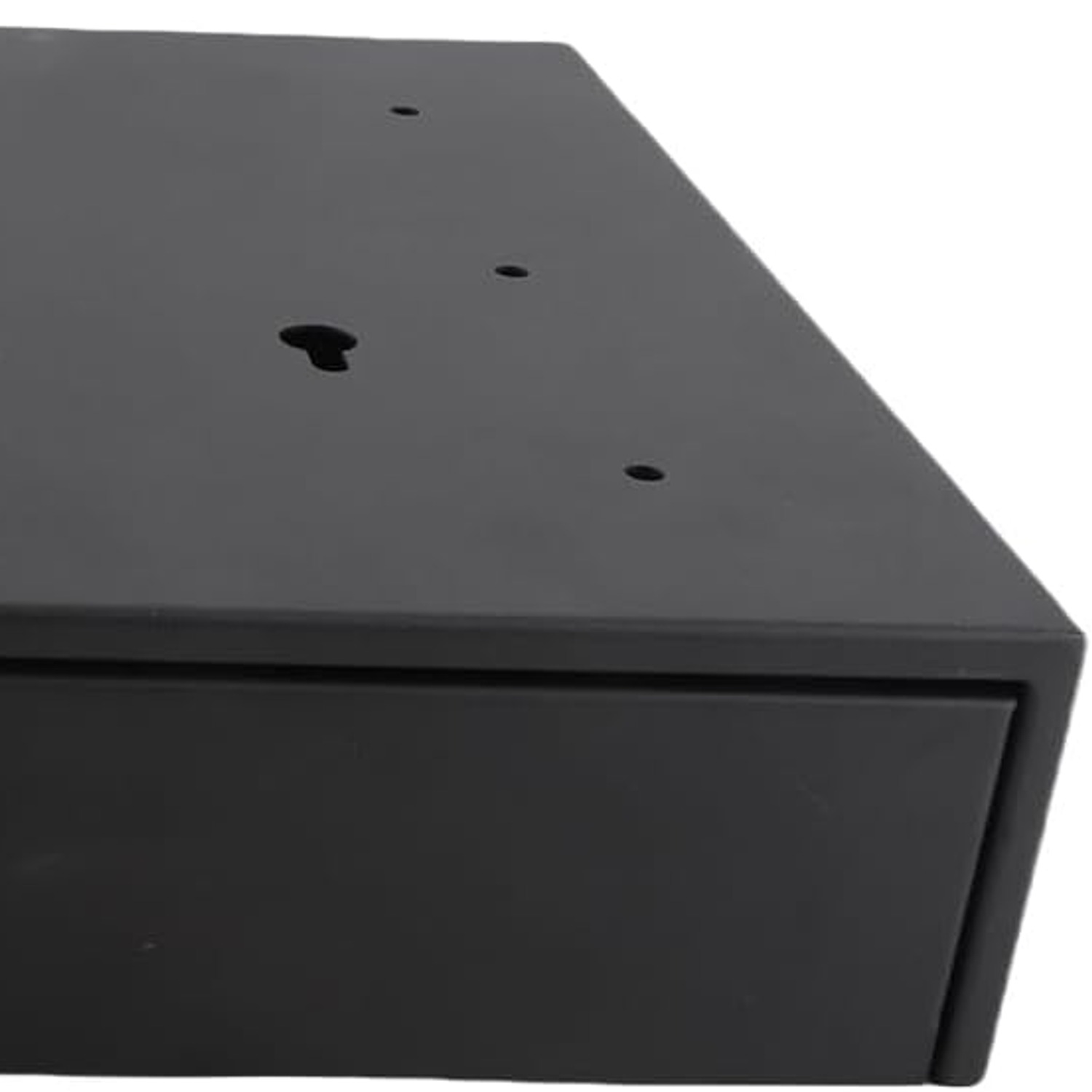
An under desk safe can keep storage close to a work area, but the product name does not establish a mounting method. Hardware, fixing points and installation requirements are not confirmed in this record.
Before planning an underside installation, ask for the fitting instructions. The desk material, its thickness and the position of any supports may affect what is possible. Do not drill into furniture based only on product photos.
Also check legroom. A low profile safe can still interfere with a chair arm or your knees when placed in the wrong spot. Sit at the desk and test the proposed location with a simple size template.
If secure attachment is important to you, resolve that question before ordering. A concealed position and a securely fixed installation are different things, and neither should be assumed from a compact shape.
Understand what the security details do and do not say
Fingerprint recognition describes the access method. It does not tell you how a safe performs in a forced-entry test. This record does not provide a certified burglary rating.
There is also no supplied fire or water rating. If your main concern is protecting irreplaceable papers from a house fire or water damage, look for confirmed test information that addresses that risk. A lock is not evidence of protection against every hazard.
This model is better assessed first by its confirmed features: biometric access, a sliding drawer, USB charging and its listed size and weight. Compare those with your needs without adding promises the record does not support.
For insurance requirements or high-value belongings, ask your insurer what storage standard applies. Choose against that requirement rather than assuming any personal valuables safe will qualify.
Plan for charging and backup access
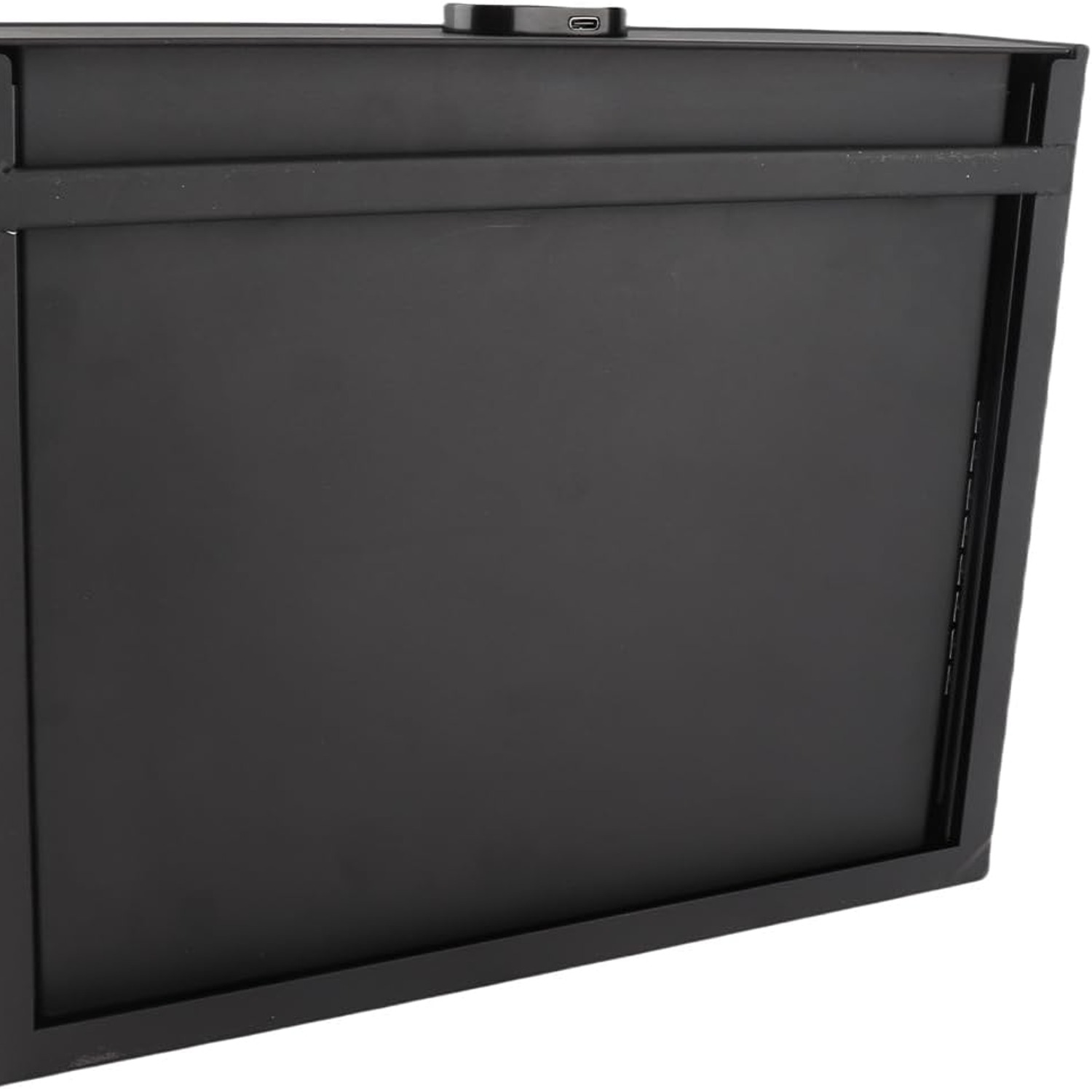
USB charging is a listed feature, which makes power access part of your placement decision. Confirm the required charging equipment and follow the supplied instructions. A cable, charging time and battery capacity are not confirmed here.
Do not guess how long the safe will run between charges. Standby time can be an important purchase detail, especially if you expect to leave the safe unused for long periods. Ask for the specified battery guidance if that matters to you.
Backup entry is another key question. This record does not confirm a key, keypad or emergency power procedure. Find out what happens if the battery is depleted or the fingerprint reader does not accept a scan.
A USB rechargeable safe should fit a routine you can maintain. Easy charging access is useful, but it does not replace clear instructions for recovering access.
Who this format may suit
A fingerprint drawer safe is worth considering for someone who wants a separate locked place for smaller personal belongings. The drawer format may feel familiar at a desk, and the listed silent rail may appeal in a shared room.
For home office use, consider where you naturally put things at the end of the day. Storage is easier to use when it is within reach and does not block your workspace. Avoid a location where papers or charging leads could obstruct the drawer.
A bedroom drawer safe calls for the same practical checks. Make sure surrounding furniture leaves enough opening space, and consider whether using it will disturb someone nearby. The silent slide rail is a listed feature, but no noise measurement is supplied.
Travel and hotel use are also listed. However, 4 kg is a meaningful addition to luggage. Confirm any accommodation rules before attaching a safe to furniture, and do not assume a portable setup offers the same protection as an approved fixed installation.
Compare useful details, not just feature lists
When comparing a biometric drawer safe with another model, start with the questions that could rule a product out. Will your belongings fit? Can it be installed as intended? Is there a documented backup entry method?
Next, compare the daily routine. Think about sensor position, drawer access and charging. If more than one person will use it, confirm fingerprint capacity and how access permissions are managed. That capacity is not specified for this model.
Material information also deserves a careful look. The structured material field is blank, although reference text mentions alloy steel and zinc alloy. That is not enough to assign a precise construction specification or security grade.
The best compact home safe for your situation is the one whose confirmed details match your space and risk. A longer feature list is not a substitute for answers to your most important questions.
Keep care simple
Wipe the exterior with a soft, dry cloth and keep the fingerprint sensor clean. Keep liquids away from the sensor, lock and charging connection. Follow the instructions if they specify a particular cleaning method.
Keep the drawer path clear of loose objects. If movement changes or the drawer catches, do not force it. Check for an obvious obstruction and seek guidance if the problem remains.
Do not add lubricant to the rail without checking the maintenance instructions. The listed silent slide rail does not establish a particular service schedule or approved treatment.
After any change to fingerprint settings, test access before returning valuables to the drawer. Keep the operating instructions somewhere you can reach without opening the safe.
The short version
This hidden drawer safe offers fingerprint access, a silent slide rail and USB charging in a listed 39 x 32 x 11 cm body. It weighs 4 kg and is presented for home, office, travel and hotel settings.
Before buying, confirm internal capacity, opening clearance, installation requirements and backup access. Check the current delivery and returns terms too. If those details match your needs, you can choose it for its practical drawer format without relying on unconfirmed security claims.