
The complete guide
How to Choose a Locking Cash Box for Sales and Events
Loose coins, folded notes and receipts can turn a simple sale into a slow search for change. A busy table makes the problem worse. When money shares space with stock, bags and paperwork, it becomes harder to see what you have and keep a clear count.
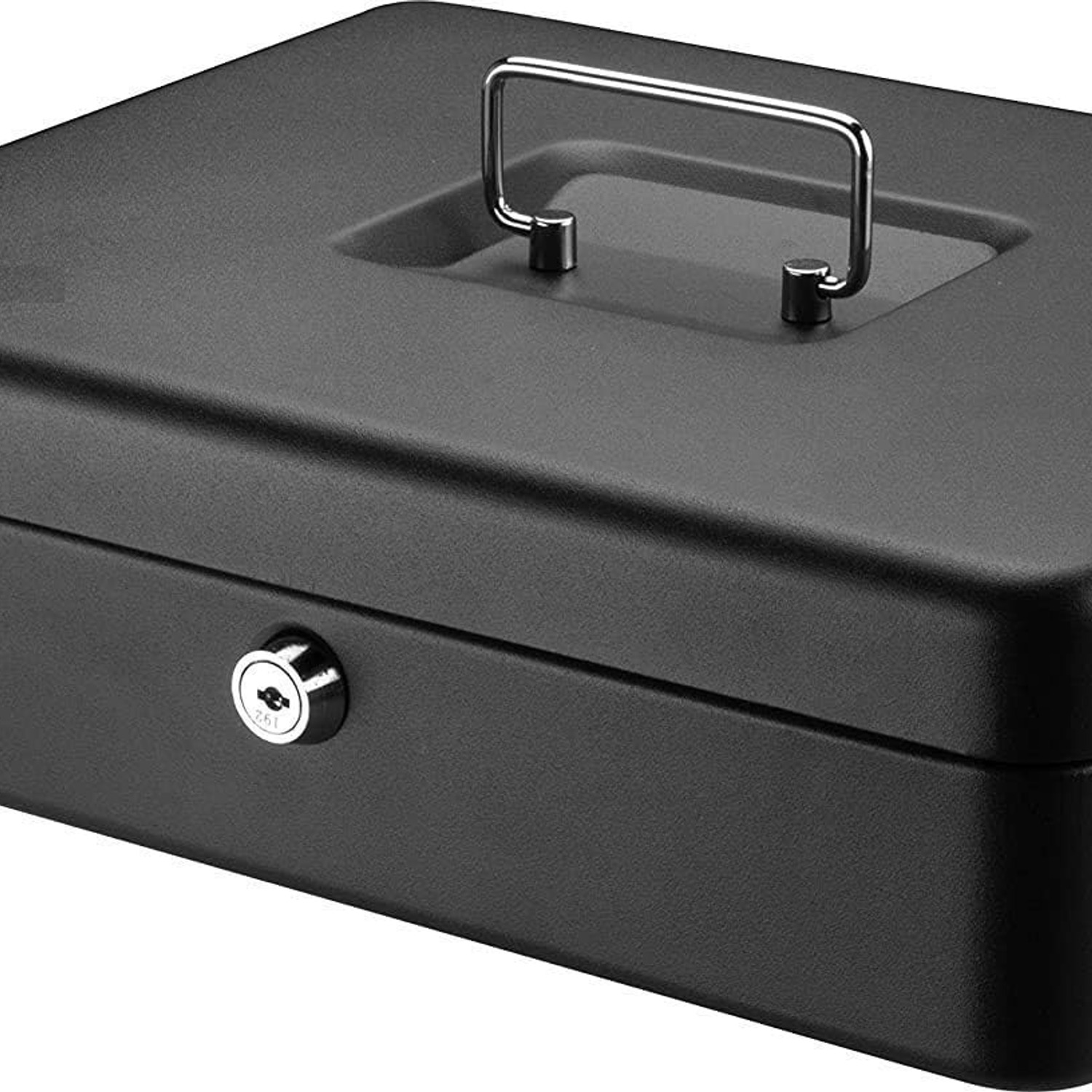
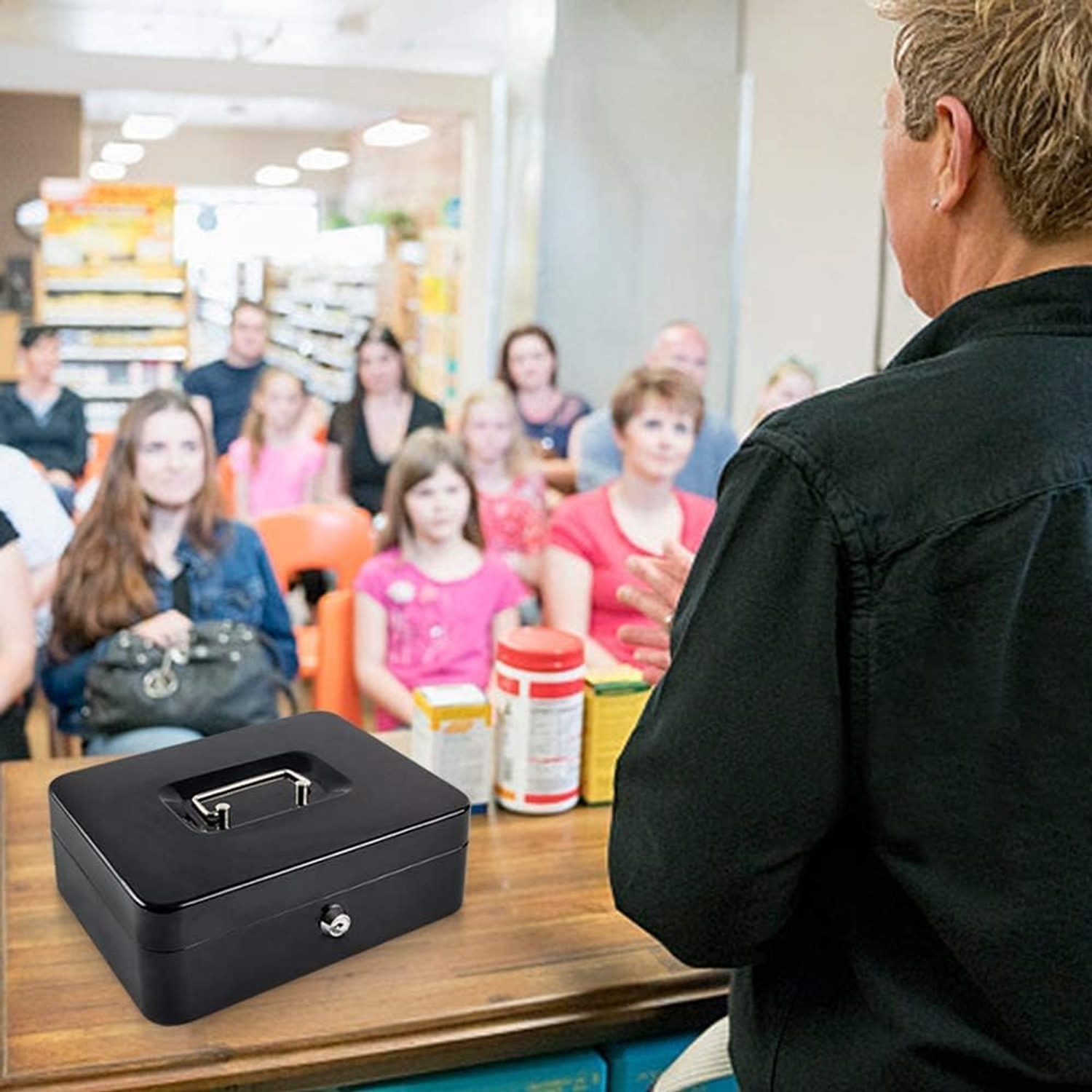
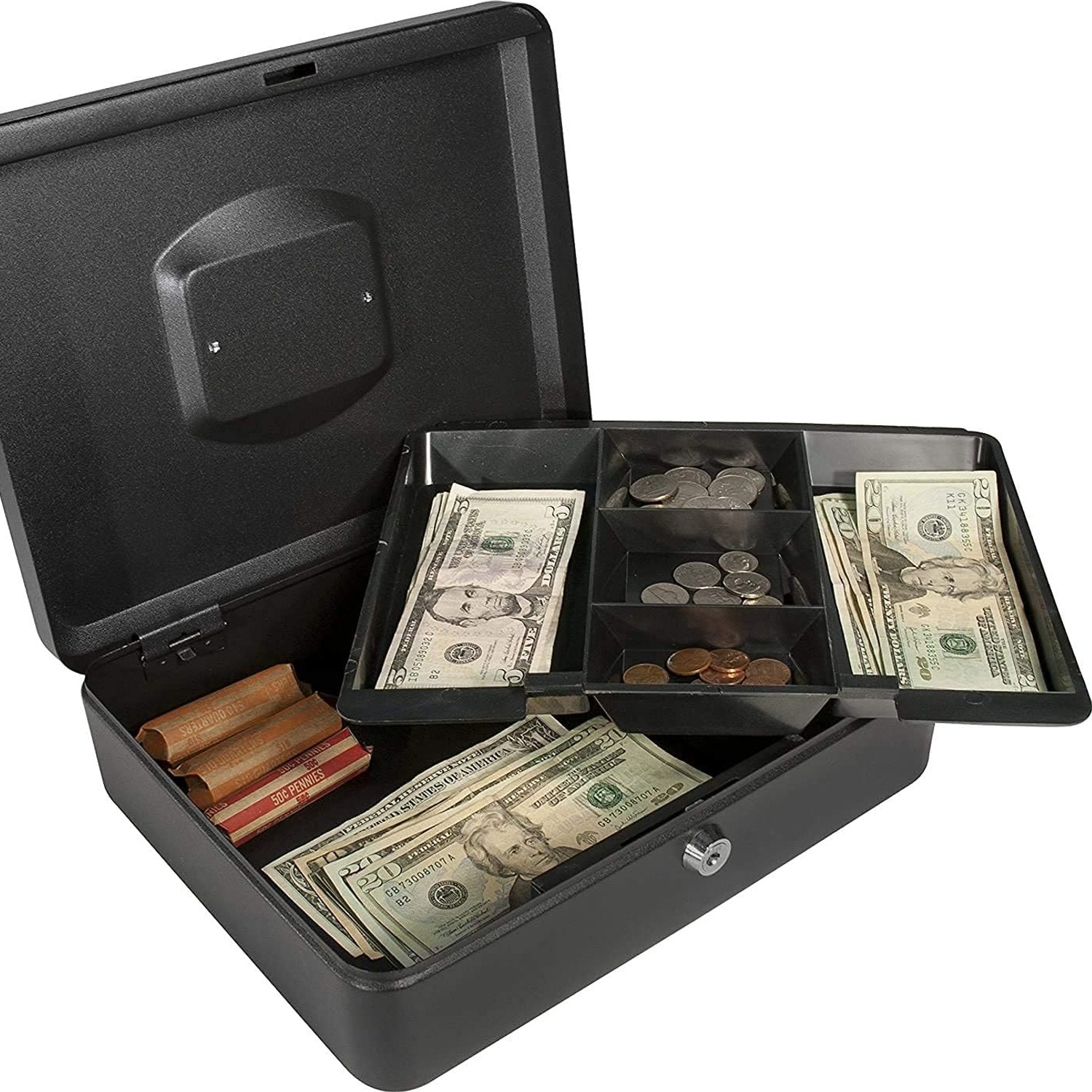
A locking cash box gives those items a dedicated home. This model combines a removable money tray with storage beneath it and a key lock. It is described as portable for uses such as markets, fundraisers and garage sales.
The main buying question is whether its layout and size match your needs. There are conflicting measurements in the maker's description, so confirming those details is an important step before ordering.
What a cash box helps you do
A cash box brings order to a small cash-handling setup. Rather than reaching into different pockets or envelopes, you can keep your working cash together and return it to the same place after each payment.
The tray is useful for separating contents. The exact compartment layout is not specified by the maker, so do not assume there is a dedicated space for every coin or note denomination. Think about how you usually give change and what you need close at hand.
A cash box for receipts also helps keep a paper trail near the money it relates to. You will still need your own counting and record-keeping process. The box stores the contents, but it does not record transactions or reconcile takings.
How this key lock cash box works
Access is controlled by a key lock. There is no keypad or electronic control specified. Two keys are listed as included, which gives you a working key and a spare to store elsewhere.
During a sale, place the box where the person handling payments can reach it without leaving their position. Close and lock it when stepping away, then take the key with you. Test the lock before relying on it during an event.
A lockable money box is not the same as a rated safe. No burglary resistance rating, fire rating or confirmed alarm is supplied for this model. Use it for organised, supervised cash handling rather than assuming it provides protection against determined theft.
The value of a removable tray
A cash box with removable tray gives you access to two storage levels. The upper tray can hold the items you need while serving customers. Lifting it reveals the space beneath for additional small valuables.
That separation can be handy when some contents need frequent access and others do not. Plan the layout before an event so you are not repeatedly moving cash around while someone waits for change.
Do not fill the lower area so high that it prevents the tray from sitting properly. Before use, check that the tray rests as intended and the lid closes without pressure. Exact clearance beneath the tray is not specified, so confirm fit for anything you plan to keep there.
Check the size before choosing
The maker contains conflicting size information. Its structured dimensions are 9.5 x 12 x 3.8 cm, while another supplied description gives different exterior and interior measurements. Capacity entries also differ.
These are not small details if you need the box to fit a drawer or hold a particular float. Ask for confirmed exterior dimensions, usable internal measurements and tray dimensions before buying. Measure your storage space too, allowing room to open the lid and remove the tray.
Weight needs the same care. The structured entry says 4.54 g, but another weight appears elsewhere in the maker's description. Do not use that figure to judge how heavy the packed box will be. Portability is listed, but the actual carrying weight remains unconfirmed.
Choosing a market stall cash box
At a market, speed matters most when several people want to pay at once. A useful setup keeps change within reach without crowding the area where you pack purchases or display goods.
Start by thinking about your float. How much change do you normally bring, and which denominations do customers use most? Check that the confirmed tray layout can support that pattern. A coin and note organiser is only helpful if its spaces suit the cash you handle.
Place the box away from the public edge of the table and protect it from weather. This model is not water resistant. Even a covered stall can be exposed to wind-blown rain or a spilled drink, so choose its position carefully.
Using it at fundraisers and community events
A fundraiser cash box can give volunteers a shared place for takings. The process around it matters just as much as the box itself, especially when different people work short shifts.
Count the starting float and record it before opening. Decide who is responsible for the key and how a handover will happen. If responsibility changes, count together and note the amount rather than relying on memory.
A cash box with two keys does not mean both keys need to circulate during the event. Keeping the spare separate reduces the chance of losing both at once. Make sure the organiser knows where that spare is held and who may access it.
A practical setup for a garage sale
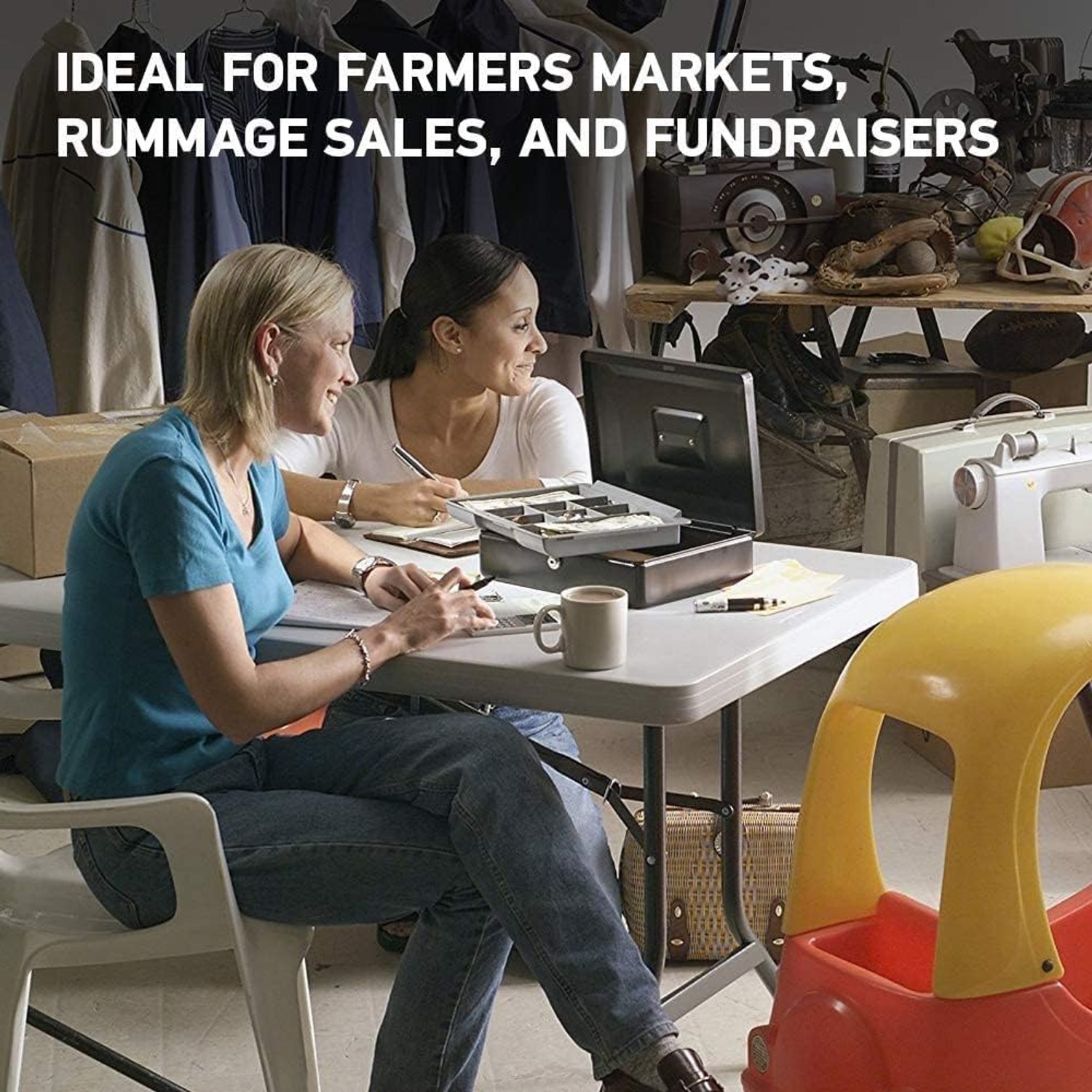
An occasional sale may not need a complex payment station, but it still helps to separate takings from personal money. A garage sale money box gives you a clear place for change and the day's cash.
Set up before buyers arrive. Count your float, arrange the contents and try opening and closing the box in its intended position. Check that you can reach it without turning your back on the sale area.
Keep drinks, cleaning products and wet items elsewhere. At the end of the day, count the cash in a private place and compare it with your starting float and any records. Remove the contents before putting the box away.
Match the box to your security needs
For a small business cash box, organisation and security are related but different needs. A tray can make transactions easier. A key lock can control ordinary access when the box is closed. Neither establishes a tested level of theft protection.
Think about where the box will spend most of its time. An attended sales table presents different concerns from an empty room overnight. If you need rated protection, look for a product with clearly stated testing and installation requirements.
This model is listed as portable, with no confirmed fixing hardware or mounting arrangement. Do not assume you can bolt it to furniture. Also, do not rely on it for fire or water protection, as those protections are not established.
Materials, finish and everyday care
The product details list alloy steel and a black colour. The separate material and colour attribute fields are blank, so those details come from the supplied specifications. No steel thickness or finish durability rating is given.
For routine cleaning, empty the box and use a soft, dry cloth. Remove loose debris from the tray so it does not build up around stored cash. Avoid rinsing or soaking the box because it is not water resistant.
Keep dirt away from the key and lock. If turning the key becomes difficult, stop rather than forcing it. Check whether contents are preventing the lid from closing properly, then seek support if the problem remains.
Questions to settle before ordering
The most useful checks are practical ones. Confirm the actual size, weight and tray layout. If notes need to lie flat, ask for usable internal measurements rather than judging from the exterior alone.
Check delivery information for your address, especially if you need an event cash box by a set date. Leave time to inspect the box, test the keys and arrange your float before the event.
A manufacturers limited warranty is listed, but its duration and terms are not provided. Read those terms alongside the current returns policy. Knowing the process in advance is more useful than assuming a particular type of cover applies.
The short version
This locking cash box offers a removable tray, storage beneath and key-controlled access. It is described as portable and includes two keys, making it an option for organised cash handling at stalls, fundraisers and occasional sales.
Its measurements, weight and capacity need confirmation because the supplied entries conflict. Check those points first, keep the box dry and attended, and choose it for its cash-organising features rather than treating it as a rated safe.