
The complete guide
Choosing a Combination Cash Box for Everyday Money Handling
Loose change has a way of spreading. Coins end up in cups, notes get tucked beneath paperwork, and receipts disappear just when it is time to count the money. A dedicated cash box gives those items a home and makes it easier to keep a clear routine.
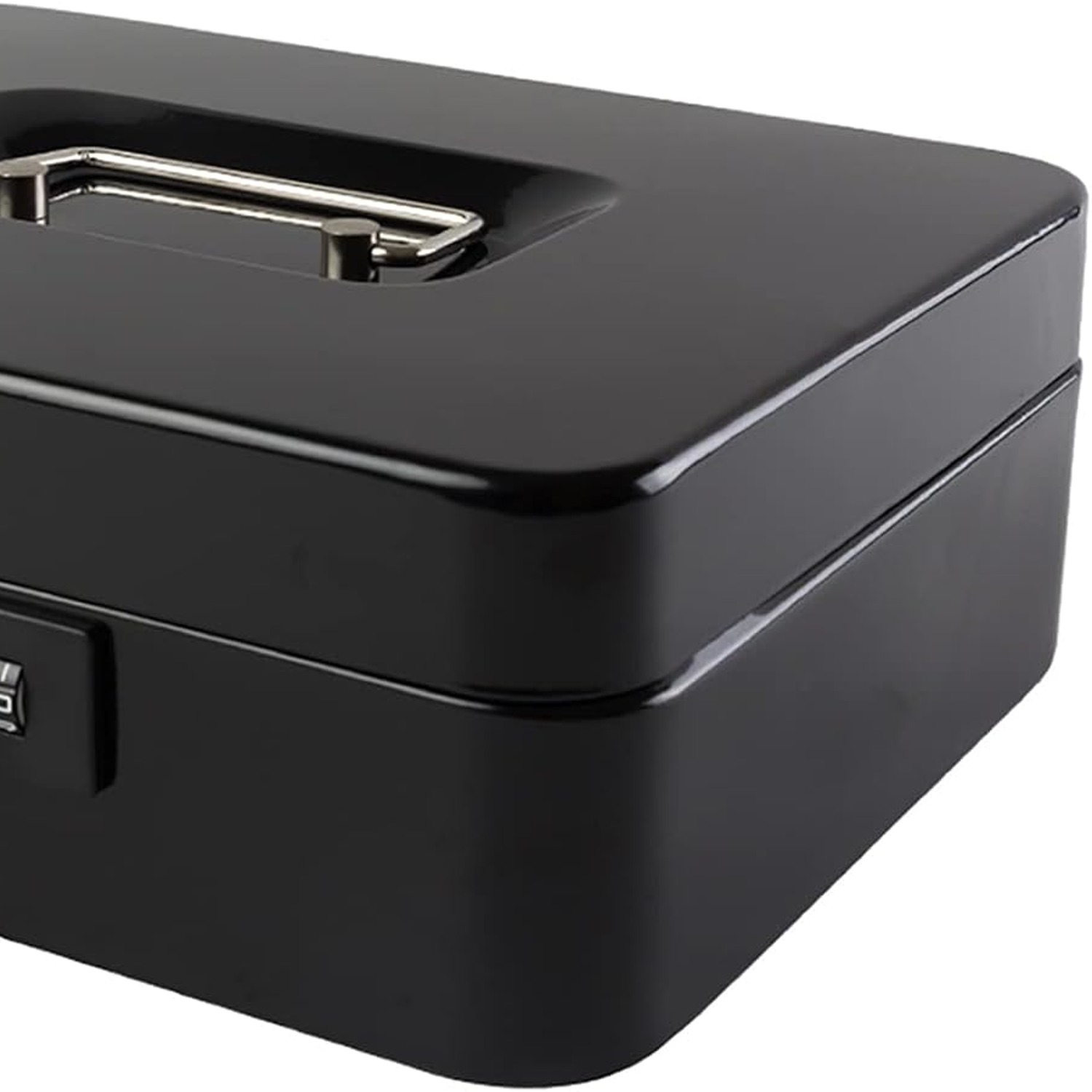
This combination lock cash box pairs a coded lock with a removable five-compartment tray. It is an option for sorting everyday takings, keeping petty cash together or managing money during a supervised event. The important part is matching its layout and protection to the job you have in mind.
Start with the job, not just the lock
Before choosing a lockable money box, think about what you will put inside and how often you will open it. A small office float has different needs from a busy stall that takes cash all day. Receipts also take up space, especially when they build up between counts.
Decide whether you mainly need organisation, controlled access or protection against a serious theft risk. This product offers a combination lock and divided storage. It does not come with a stated security rating, so it should not be treated as a substitute for a rated safe.
For day-to-day use, a clear handling process matters too. Decide who holds the code, where the box stays during use and where the cash goes when the day ends.
How the combination lock works
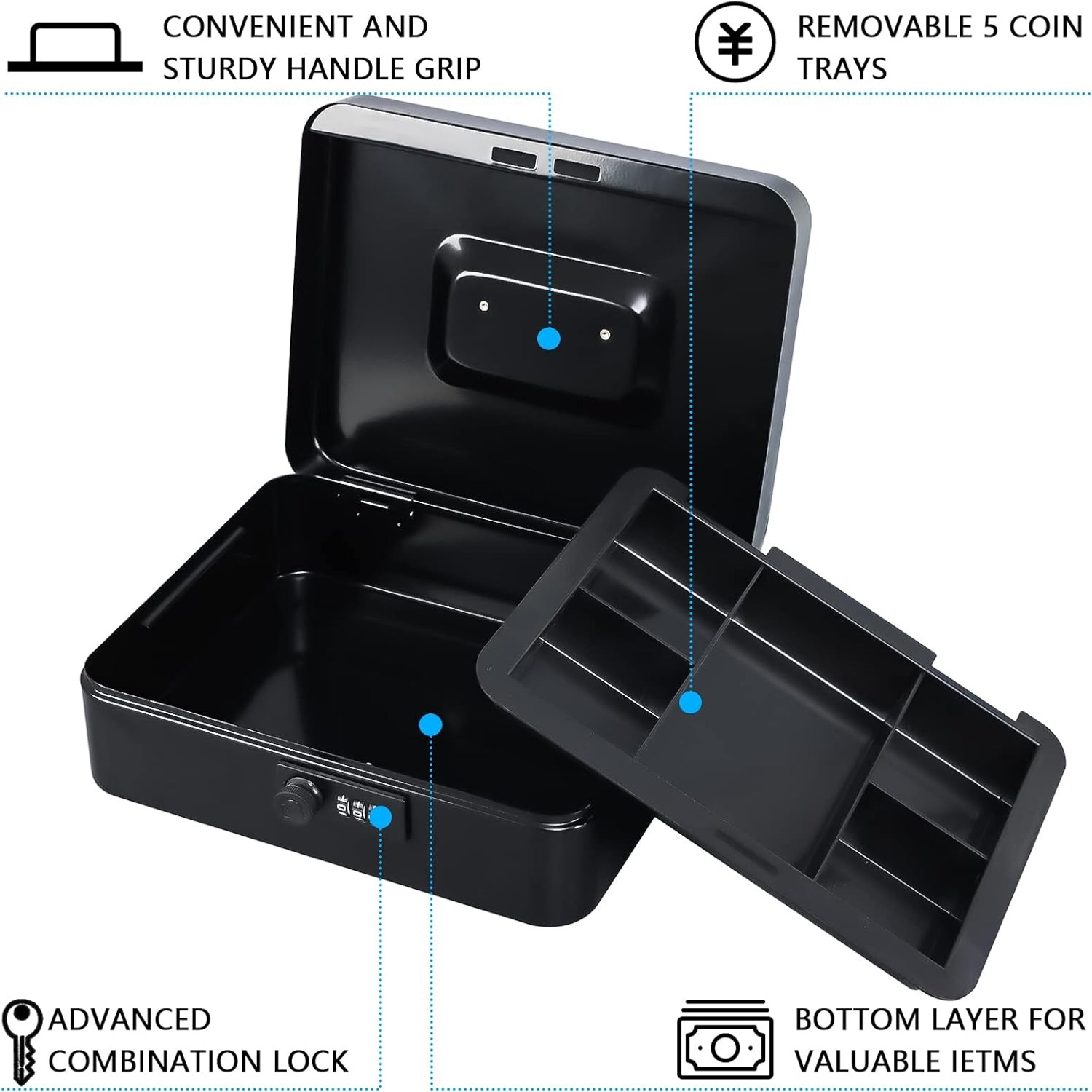
A cash box without keys removes one small task from your routine. Instead of finding a key, you line up the three dials with the correct code and turn the knob. That may suit a shared workspace where a missing key would hold up a cash count.
The supplier describes a code that can be set and changed. Its instructions identify 000 as the starting combination. Check the instructions included with the actual box before changing anything, since it is better to follow the guidance for the unit in your hands.
Test a new combination while the lid is open. Make sure it works before closing the box, and keep a private record away from the cash. A resettable combination cash box is useful only if the people who need access can recall the code.
What the removable tray adds
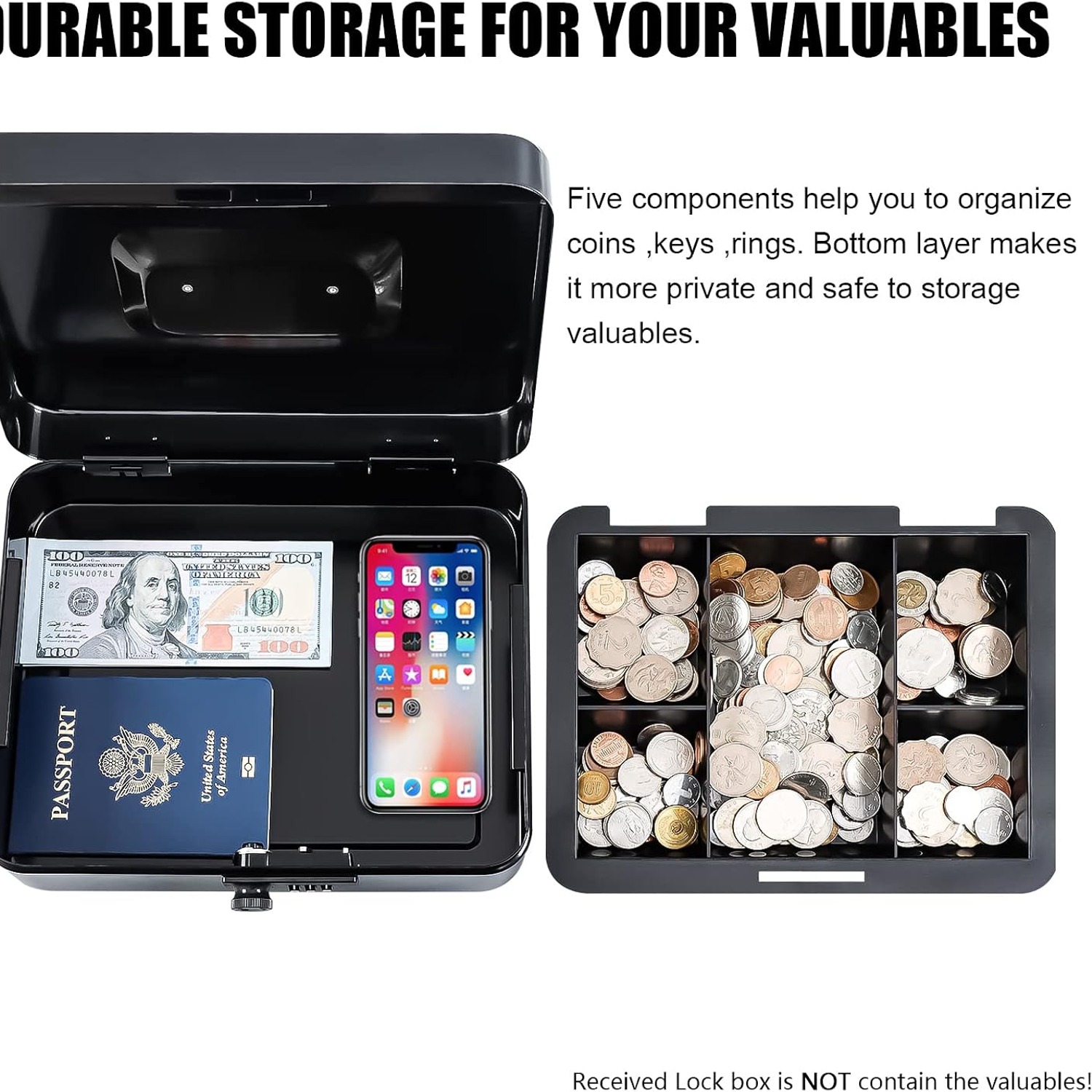
The five-compartment insert is the main sorting feature. You can use separate sections for different coins or assign one section to another small item. A consistent layout makes counting less confusing, especially if more than one person handles the money.
The tray lifts out to expose the lower storage area. The supplier describes that space for receipts, cheques and other suitable items. Keeping paperwork below the tray can stop it from getting mixed through loose change.
No capacity for each compartment is confirmed. If you need to hold a large float or separate many coin values, think through the layout first. A cash box with removable tray should suit the way you count, rather than force you to pile everything together.
Check size and orientation carefully
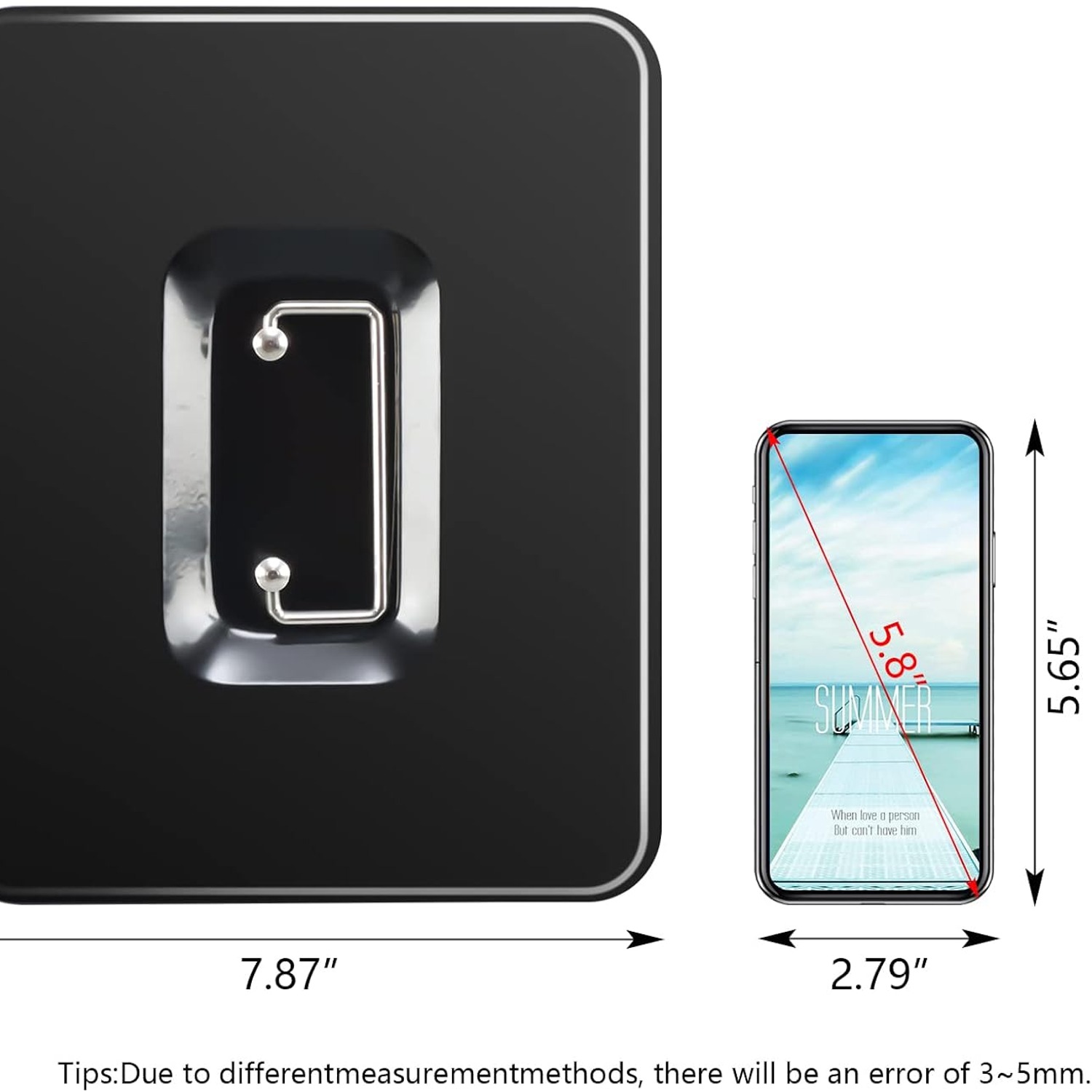
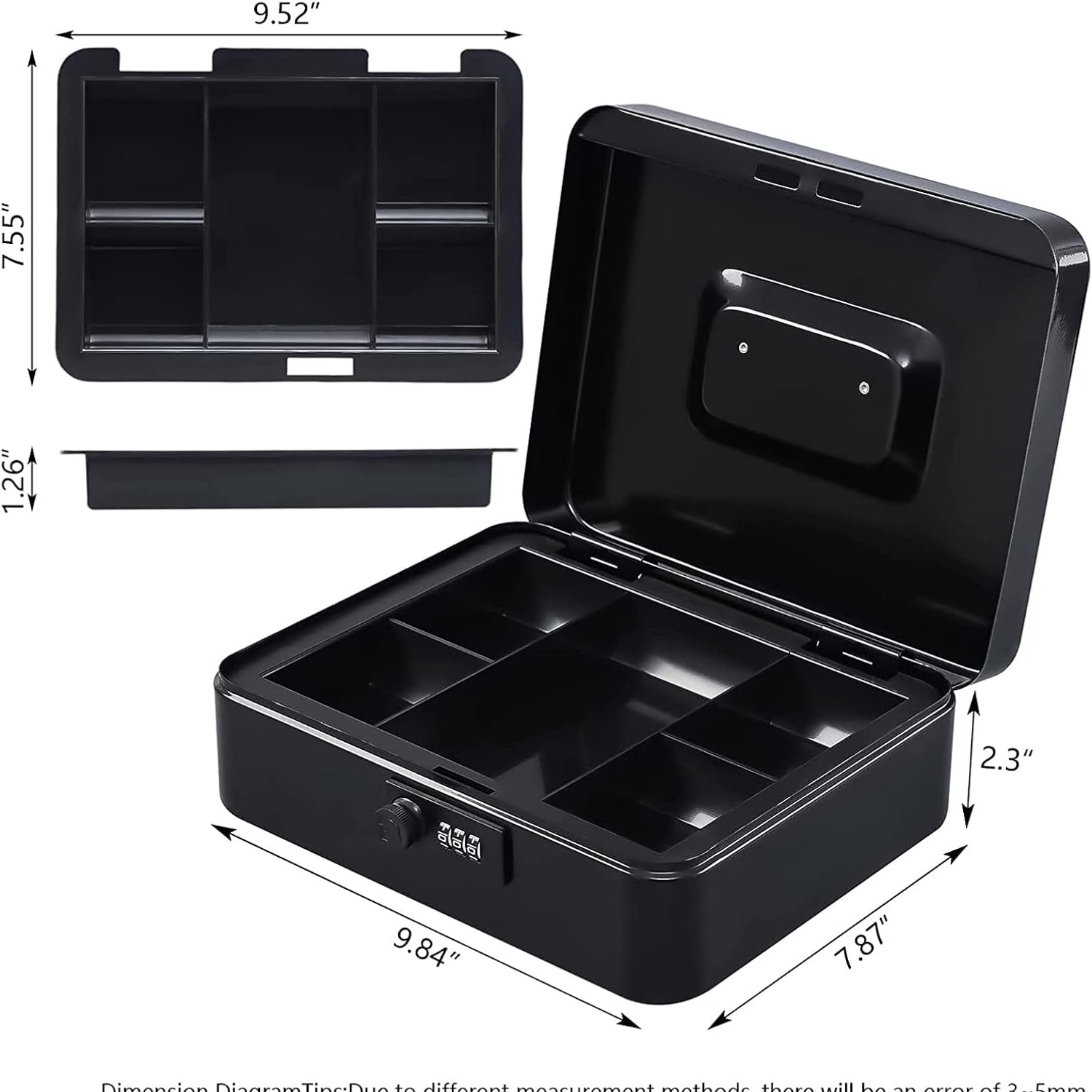
The recorded dimensions are 9 x 20 x 25 cm. Elsewhere, the supplier description gives the same measurements in the order 25 x 20 x 9 cm. That difference matters if you are trying to fit the box on a narrow shelf or inside a drawer.
Do not assume the order of the measurements tells you exactly how it will sit. Confirm which side is the height, and allow room to open the lid and lift out the tray. A box that fits a shelf while closed may still be awkward to use there.
The usable internal space is also worth checking. Outer measurements do not show how much room the lock, walls and tray take up. If a particular document or item must fit, get that detail confirmed before ordering.
Think about a petty cash routine
For office cash storage, the box works best as part of a simple system. Start with a recorded float, keep receipts with each payment and count the balance at agreed times. The compartments help with sorting, but they do not replace a written record.
Choose who can open the box and who is responsible for checking the balance. Shared access can be useful, yet too many people knowing the code makes it harder to keep responsibility clear.
A petty cash box also needs a sensible place to stay. Keep it out of casual view when it is not being used. At the end of a working period, follow your workplace rules for storing or banking the contents.
Using it at stalls and fundraisers
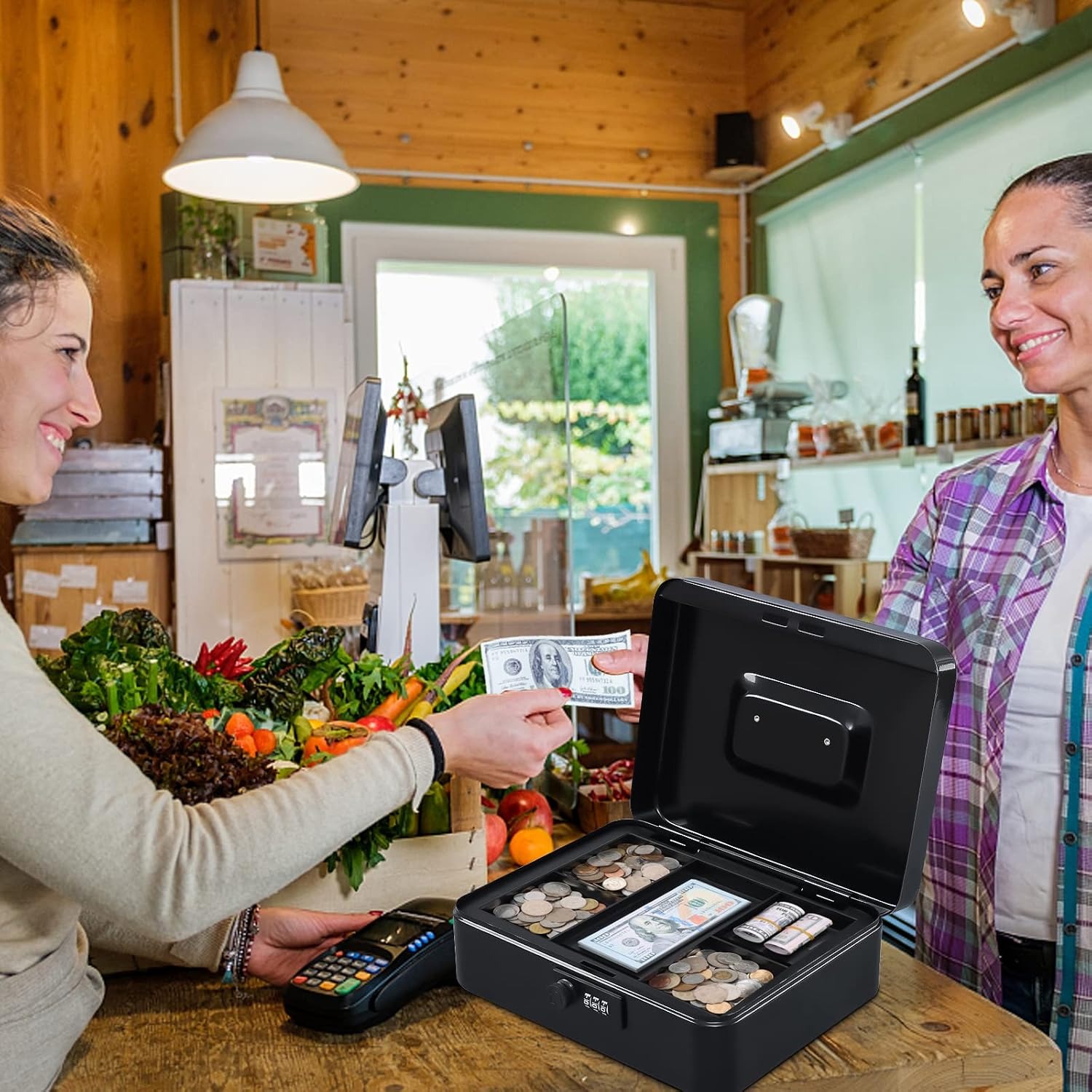
A market stall cash box can help bring order to a temporary sales table. Put it where the person taking payments can reach it without leaving it exposed to visitors. Keep the lid closed between transactions when practical.
Prepare the float before trading begins. Decide which tray section holds each coin value and where notes or receipts will go. If a second person takes over, explain that layout so the handover does not turn into a search through mixed change.
The same ideas apply to a school fundraiser cash box. Assign a responsible adult, count the opening float and record the closing total. This box is not water resistant, so outdoor events need a dry, sheltered setup that protects both the box and the money.
Materials and realistic protection
The supplier description names cold-rolled steel sheets for the body, stainless steel for the handle and plastic for the tray. It does not provide steel thickness, a tested attack rating or a fire protection rating.
Those limits are worth taking seriously. A metal money box can hold and organise cash without offering the same protection as a safe. Avoid leaving high-value contents unattended simply because the lid is locked.
Water protection is clearer. The product is listed as not water resistant. Keep it away from drinks, wet floors and damp cupboards. If your main need is protection from flooding or fire, look for a storage product with a suitable stated rating instead.
Is a portable cash box right for you?
Portability can be useful when a cash station changes from one day to the next. You may need to set up at a meeting, move between rooms or pack away after an event. The supplier describes this box as portable and includes a handle in the material details.
Before moving it, close the lid and check that it is locked. Carrying an open box risks spilling the contents or shifting a full tray. Keep the load manageable and avoid treating the handle as proof of any particular load capacity.
The listed weight is 70.8 g, but no separate weight verification is provided. If carrying weight is a deciding factor, confirm it before purchase rather than relying on that figure alone.
Choosing a code and sharing access
A three digit cash box offers a simple access method, but the code still needs care. Avoid leaving it written on the box or in the same drawer. Choose a code you can remember without making it obvious to others nearby.
If several people need access, agree on who may share the combination. Change it when staff or volunteer duties change, following the supplied instructions each time. Always test the new setting with the lid open.
There is no confirmed recovery process in the record for a forgotten code. Do not assume there is a spare key or an override method. If access fails, seek support rather than forcing the knob or dials.
Cleaning and looking after the box
Keep care simple. Empty the contents before cleaning, lift out the tray and remove loose dirt. Wipe surfaces with a soft cloth and dry them afterwards. Avoid soaking the box or letting moisture reach the locking parts.
Check that nothing sits across the tray edge before closing the lid. A folded receipt or overfilled compartment can get in the way. If the lid resists, open it again and check the contents instead of pressing harder.
Store the box somewhere dry when it is not in use. Keep the supplied instructions with your records, especially the code-setting guidance. That saves guesswork when you want to change the combination later.
A few checks before ordering
Start with the details that could change your decision. Confirm the size orientation if the box needs to fit a particular space. Ask about internal clearance if you plan to store more than loose cash and receipts.
Check delivery information for your address and read the current returns policy. No fixed delivery time or product-specific warranty is stated in this record. If you are buying it for an event, allow time to inspect it and learn the lock before the day.
For a gift, focus on practical fit. A coin organiser box may be useful to someone who handles small cash amounts, but their needs should guide the choice.
The short version
Choose this coded money box if you want key-free access, a five-compartment tray and separate space beneath it for everyday cash handling. Keep it dry, supervise it during use and confirm the measurements where fit matters.
For larger sums or stronger protection, choose storage with the right verified security features. The right cash box is the one that fits both your money routine and the risks around it.