
The complete guide
Choosing an In-Floor Safe for Your Home
When a drawer is not the right place
Small valuables often end up in convenient places. A bedside drawer is easy to reach, but it is also in plain view whenever the drawer is open. If you want a dedicated place away from everyday sight, an in-floor safe is one option to consider.
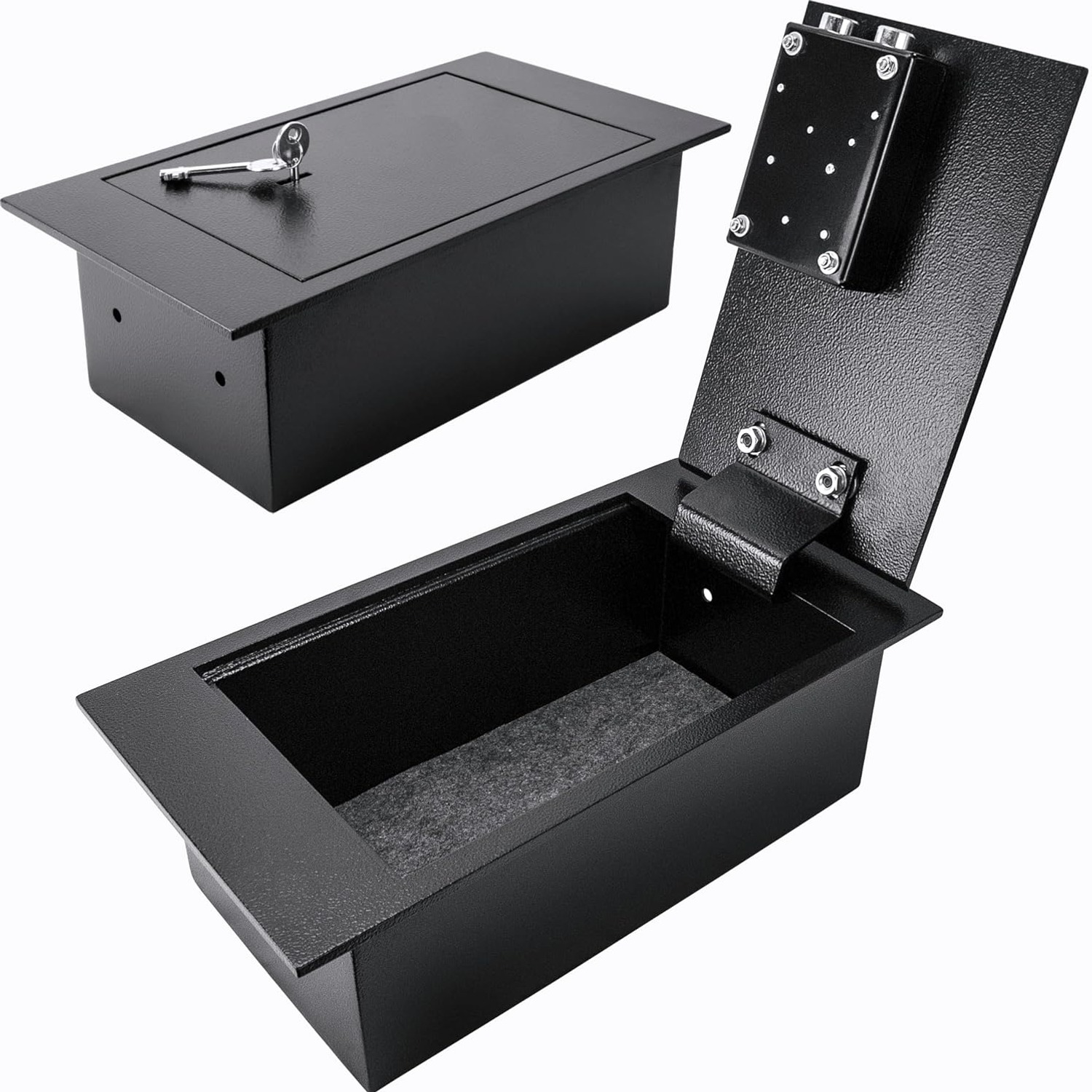
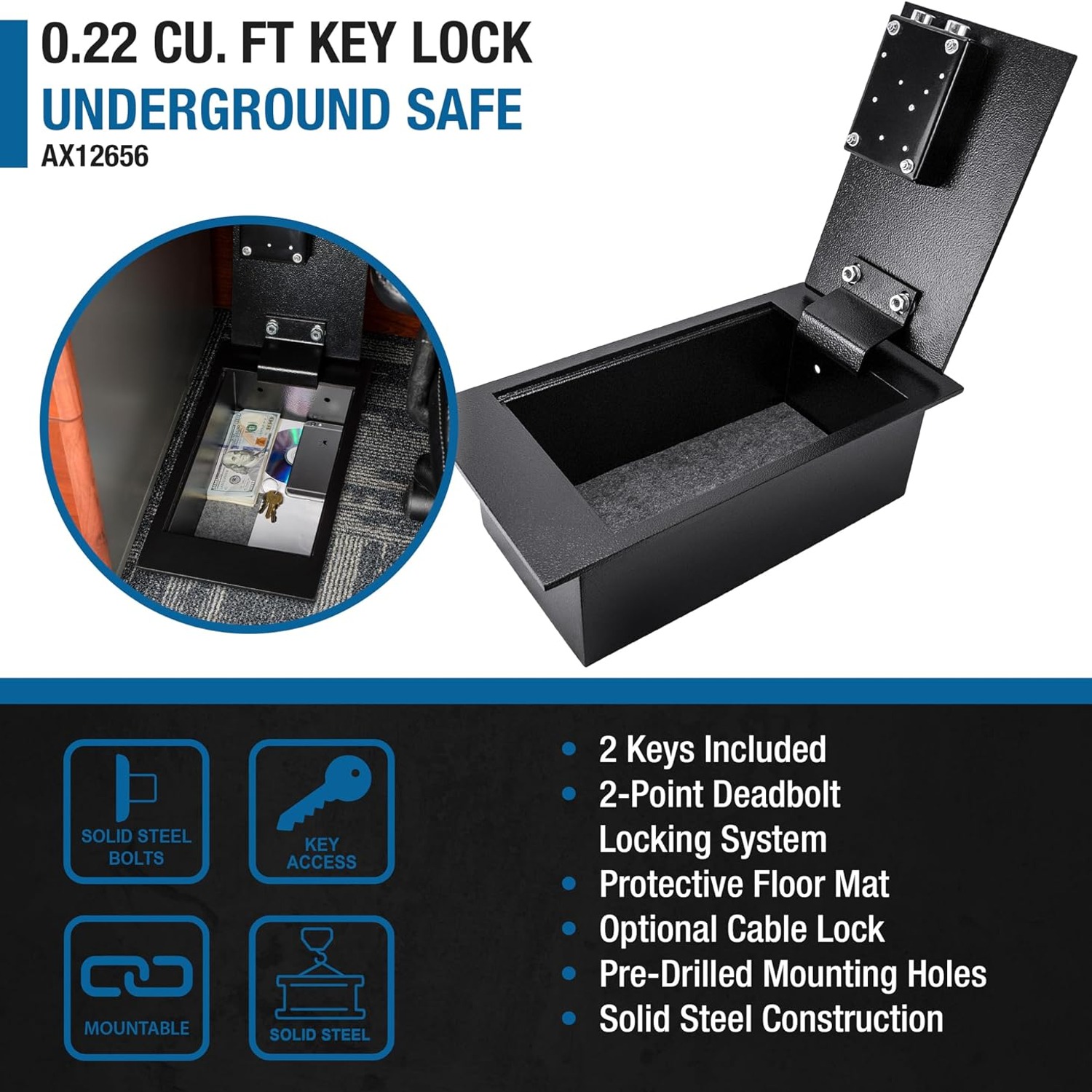
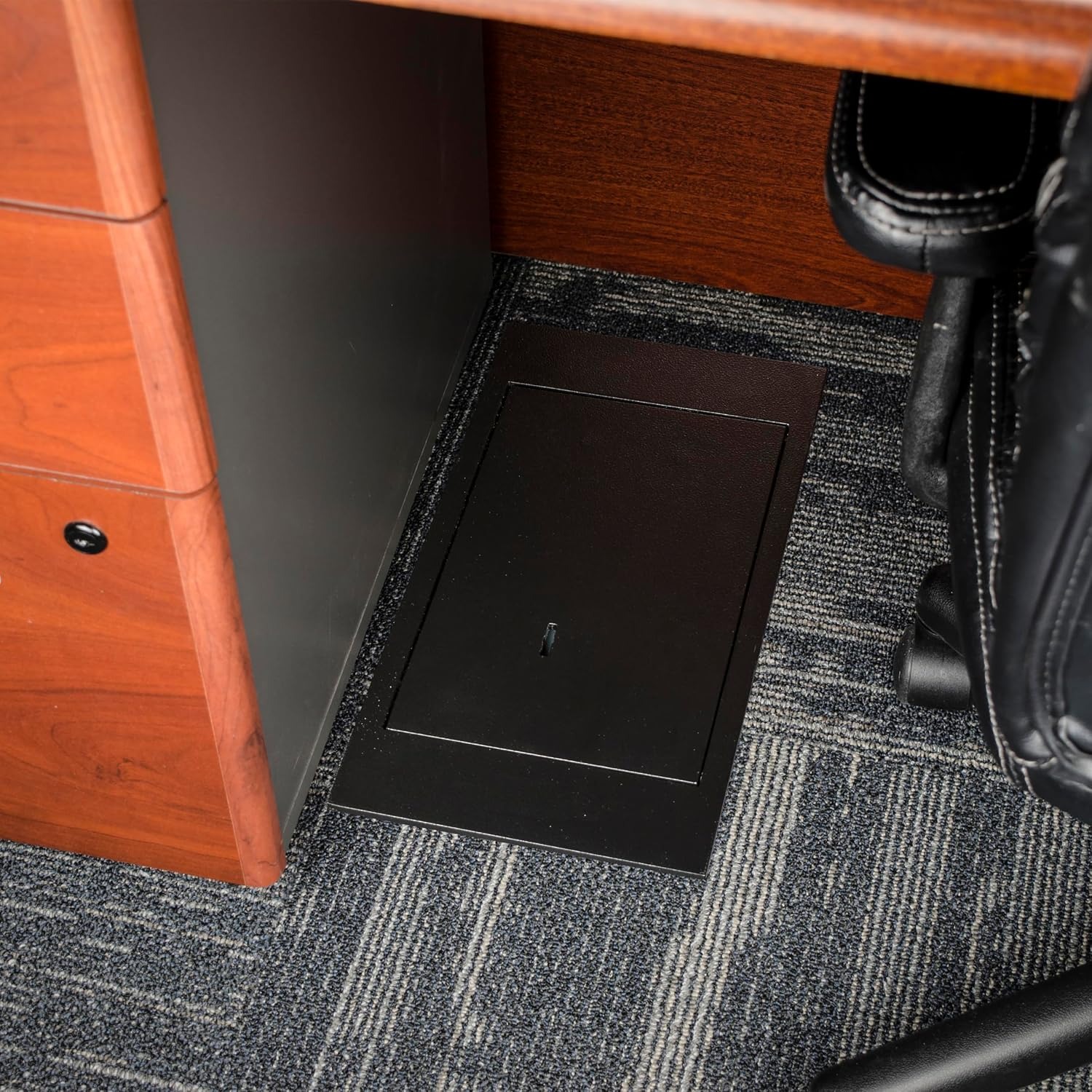
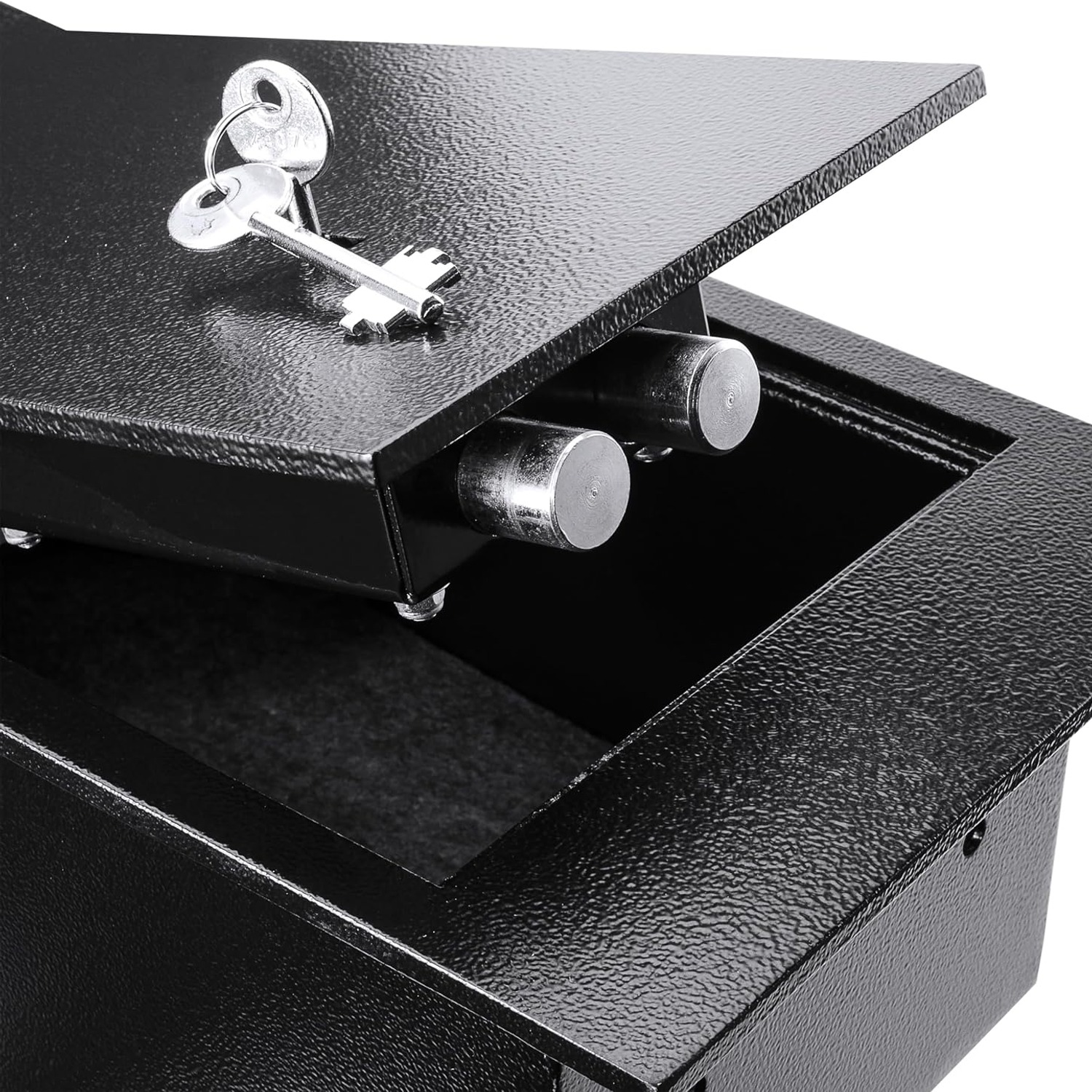
This model is designed to sit level within a suitable floor and allow concealment. It uses a manual key lock, with two keys supplied. Mounting accessories and a protective mat are also included.
The main buying question is whether the floor, access arrangement and storage space suit your home. There is also an important size issue in the maker's description. The recorded measurements do not agree with one another, so confirming them should come before ordering for a particular opening or item.
How a concealed floor safe works
A concealed floor safe combines a storage chamber with a floor-level access point. Instead of placing the whole safe on furniture, you plan its position within an appropriate floor. The finished arrangement must leave enough room to use the key and open the door.
Concealment can keep the safe out of casual view. It is not a substitute for sound construction or proper mounting. Think of the location and the installation as parts of the same decision, rather than choosing a hiding place first and solving the building work later.
This safe is described as having alloy steel construction and two built-in pry-resistant steel deadbolts. Those are listed features, not a guarantee against forced entry. No independent security grade is specified in the maker's description.
Decide whether floor storage fits your routine
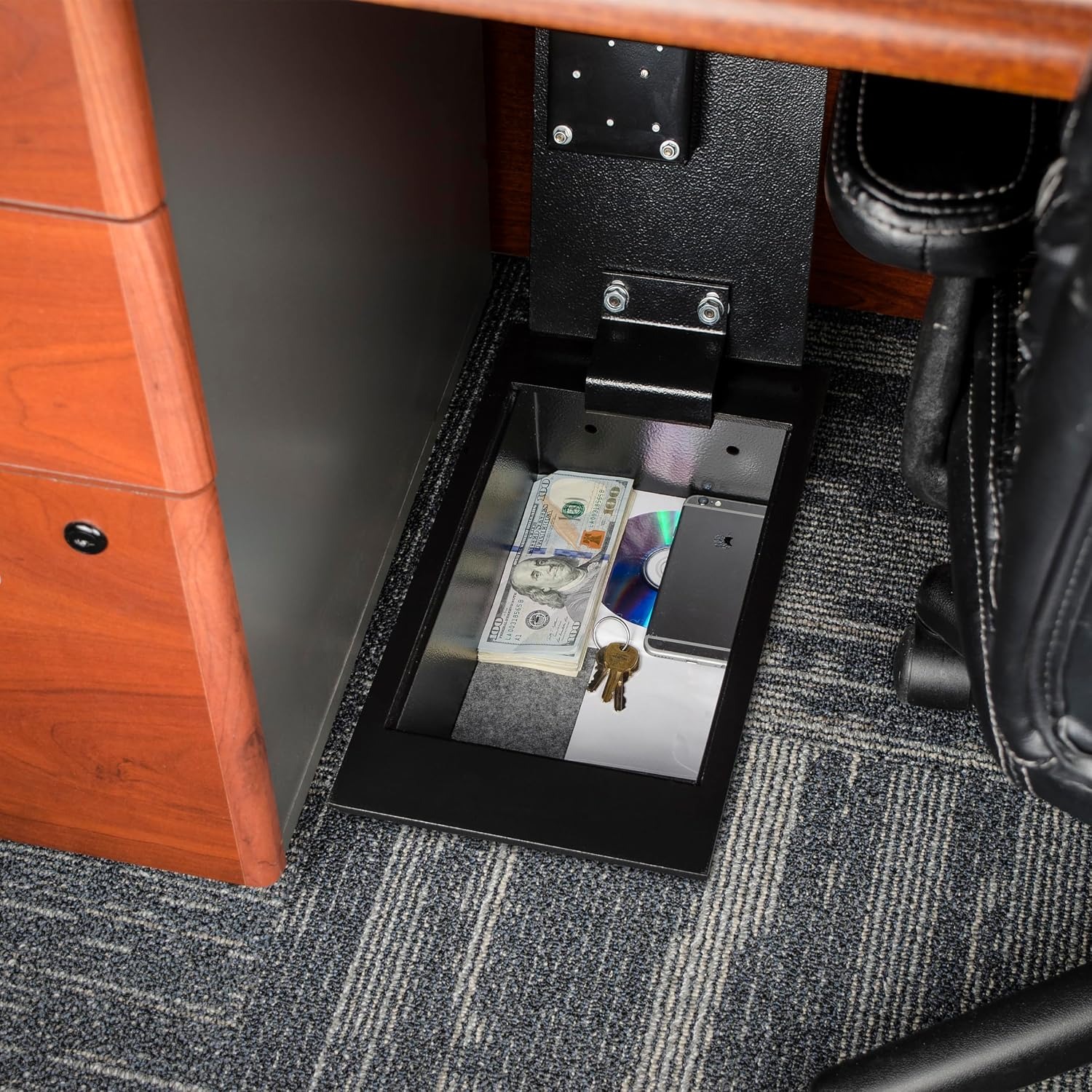
A floor mounted safe makes the most sense when you have a suitable permanent location and are comfortable accessing belongings at floor level. Before choosing a spot, picture using it on an ordinary day. Can you reach it without shifting heavy furniture? Will the door have room to open?
Frequent access changes what feels practical. A location that works for belongings used only occasionally may become awkward for items needed each morning. Concealment should not make normal use so difficult that you stop putting things away.
Also consider everyone who will need authorised access. Bending or kneeling may be uncomfortable for some users. A different safe position may be more practical if floor-level access is a concern.
Confirm the measurements before anything else
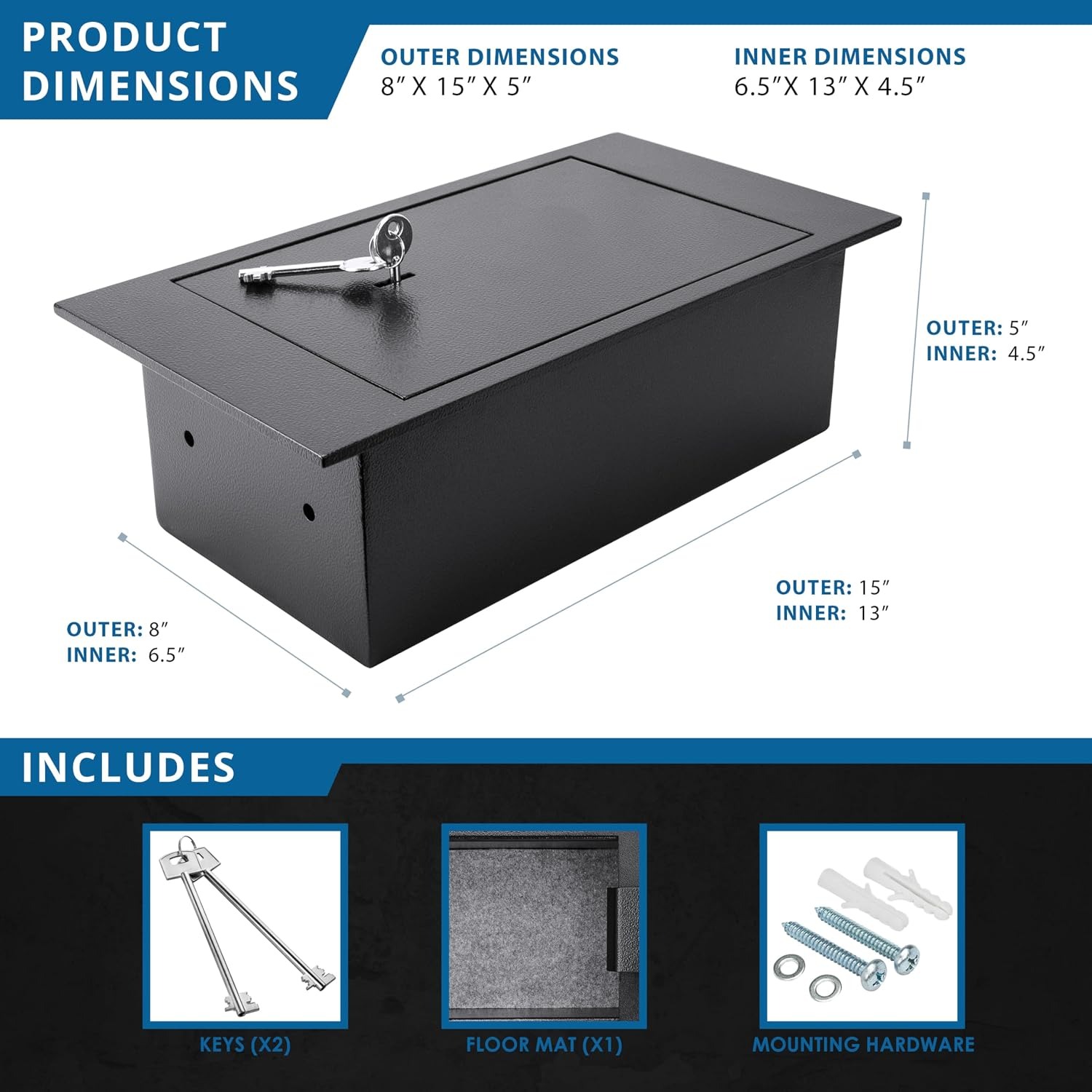
The maker lists overall dimensions of 8 x 15 x 15 cm. It separately lists a chamber width of 6.9 inches, depth of 3.2 inches and height of 13 inches. The listed capacity is 0.22 cubic feet.
These figures cannot all describe the same usable space consistently. In particular, the chamber measurements do not fit within the recorded outside dimensions. Treat this as unresolved product information, not a puzzle to solve by guessing which unit was intended.
Ask for verified external measurements, usable internal measurements and the door opening size. If available, request an installation drawing as well. Do not cut a floor opening or assume a particular item will fit based on the figures currently supplied.
Check the belongings, not just the capacity
Capacity gives a broad idea of storage volume, but shape determines whether something fits. A narrow opening can rule out a rigid item even when the chamber appears large enough. Protective cases and folders also take up space.
Lay out the belongings you want to store and measure them in their intended packaging. If you expect the contents to change, consider that before committing to a fixed installation.
For a small valuables safe, a short list of intended contents is more useful than a vague plan to store everything important. Until the dimensions are verified, the maker's description cannot establish suitability for particular documents, jewellery boxes or other items.
Plan the floor work with care
A recessed floor safe needs more planning than an item placed on a shelf. The floor structure, available depth and concealed services all matter. A location may look ideal from above while being unsuitable underneath.
Have an appropriate professional assess the proposed installation if it involves cutting or changing the floor. Do not assume that any floor can accept a recess, or that the supplied mounting accessories suit every base material. The maker does not establish that level of compatibility.
If you rent or share ownership of the property, check permission before making permanent alterations. It is much easier to settle those questions before purchase than after work has begun.
Understand what the mounting accessories provide
The included mounting accessories are useful to have, but their presence does not confirm a complete installation plan. The right fixing method depends on the floor and the safe's verified instructions.
A bolt down floor safe should be assessed as an installed unit. Its relationship with the surrounding structure matters, along with access to the door and lock. Ask the installer to check those points rather than focusing only on whether the safe fits in a hole.
Avoid ordering extra fixings based on assumptions about hole sizes or positions. Those details are not specified by the maker. Confirm them from the product or its installation guidance first.
Keep key access simple and secure
This manual key safe does not use a keypad as its listed access method. Two keys are supplied, allowing you to keep one available for normal use and a spare in a separate secure location.
Decide where those keys will live before the safe is installed. A carefully concealed safe offers less benefit if its key is left nearby in an obvious place. Keeping both keys together also creates a single point of loss.
No replacement-key process is specified in the maker's description. If that matters to your buying decision, ask about it before purchase. Avoid assuming that a replacement can be supplied from a photograph or a lock number.
Know the limits of the protection
The maker describes the safe as water repellent. That is not a waterproof rating, and it does not establish protection during flooding or immersion. Consider moisture exposure when assessing a floor location.
No fire-resistance rating is provided either. If your main goal is to protect documents from fire, you need documented fire performance rather than an assumption based on the safe's metal construction.
The same care applies to theft protection. Pry-resistant deadbolts are a stated feature, but the maker gives no independent burglary certification. For insurance-related storage, ask your insurer what evidence or safe grade it requires before choosing a model.
Use the protective mat thoughtfully
A protective mat is included for the bottom of the chamber. It provides a buffer between stored belongings and the safe floor. Arrange items so they are not crowded or pressed against the closing door.
The mat should not be treated as proof of protection against moisture, fire or impact. Those claims require separate evidence that is not given by the maker by the maker. If an item needs special storage conditions, check those needs independently.
Keep the interior tidy enough that you can see and retrieve what you need. Loose items near the opening can interfere with normal use, so check the door area before closing the safe.
Care for the safe and its surroundings
Simple checks can help you notice problems early. Wipe accessible surfaces with a soft, dry cloth, and keep grit away from the keyway and door edges. Follow the supplied instructions for any further lock care.
Do not add a cleaner or lubricant just because it is suitable for another household lock. Ask for product-specific guidance if operation changes. A stiff key or catching door is a reason to investigate, not to apply more force.
Check the mounting and surrounding floor from time to time. Keep any covering clear of the opening mechanism. If you plan to use this as an under carpet safe, make sure the carpet arrangement does not obstruct access.
Check the purchase details before fitting
The listed manufacturer warranty is limited lifetime, but the full terms are not included by the maker. Confirm who handles claims, what is excluded and which documents you should keep.
Delivery timing and return eligibility also need checking with us. Installation may affect your options, so read the return policy before fitting the safe or altering your floor. Keep packaging and order information while you inspect the product.
When it arrives, compare the actual safe with the verified specifications before work starts. Check the supplied keys and contents according to the instructions. Resolve any mismatch before making permanent changes.
The short version
This in-floor safe offers manual key access, two pry-resistant steel deadbolts, mounting accessories and a protective mat. Its intended appeal is discreet floor-level storage rather than a visible box on a shelf.
Start with the unresolved measurements. Once those are confirmed, assess the floor, access needs and required level of protection. If those checks line up, you can make a better-informed choice about whether this concealed floor safe belongs in your home.