
The complete guide
Choosing a Compact Fingerprint Safe for Everyday Valuables
Give small valuables a dedicated place
Cash in one drawer, a passport in another and jewellery tucked away somewhere else can make daily life harder than it needs to be. A dedicated safe gives those items a single storage place. It also adds a lock between the contents and anyone who should not have access.
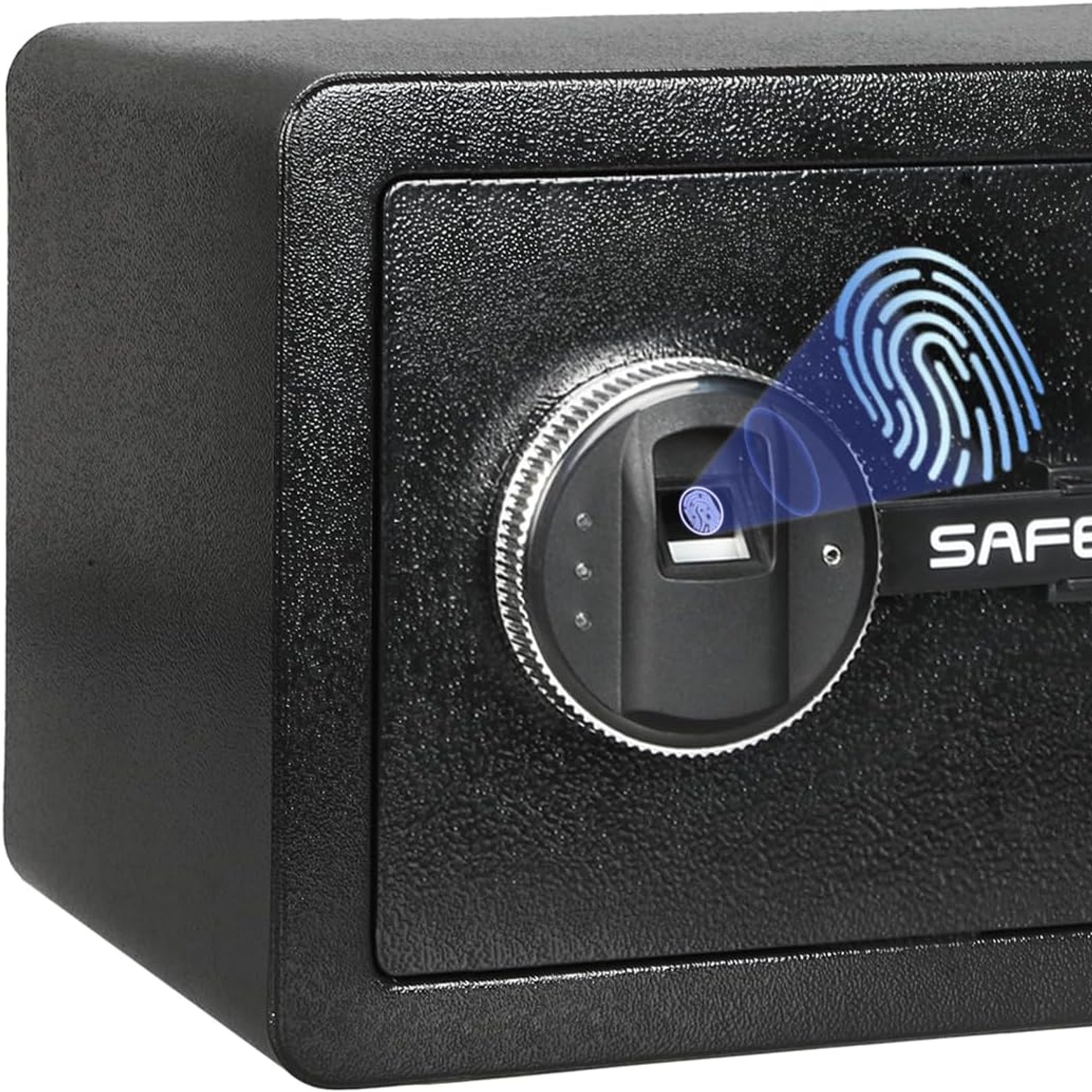
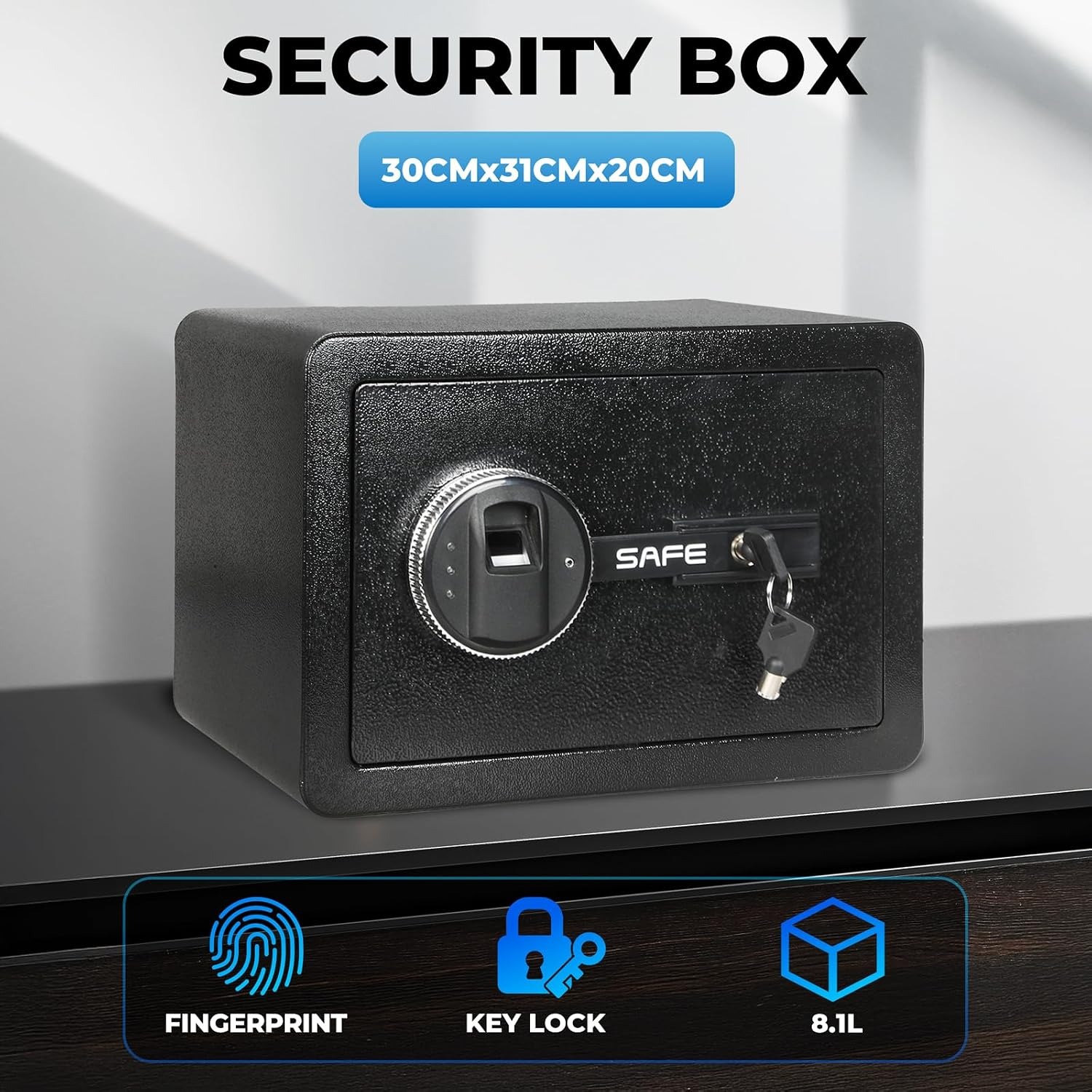
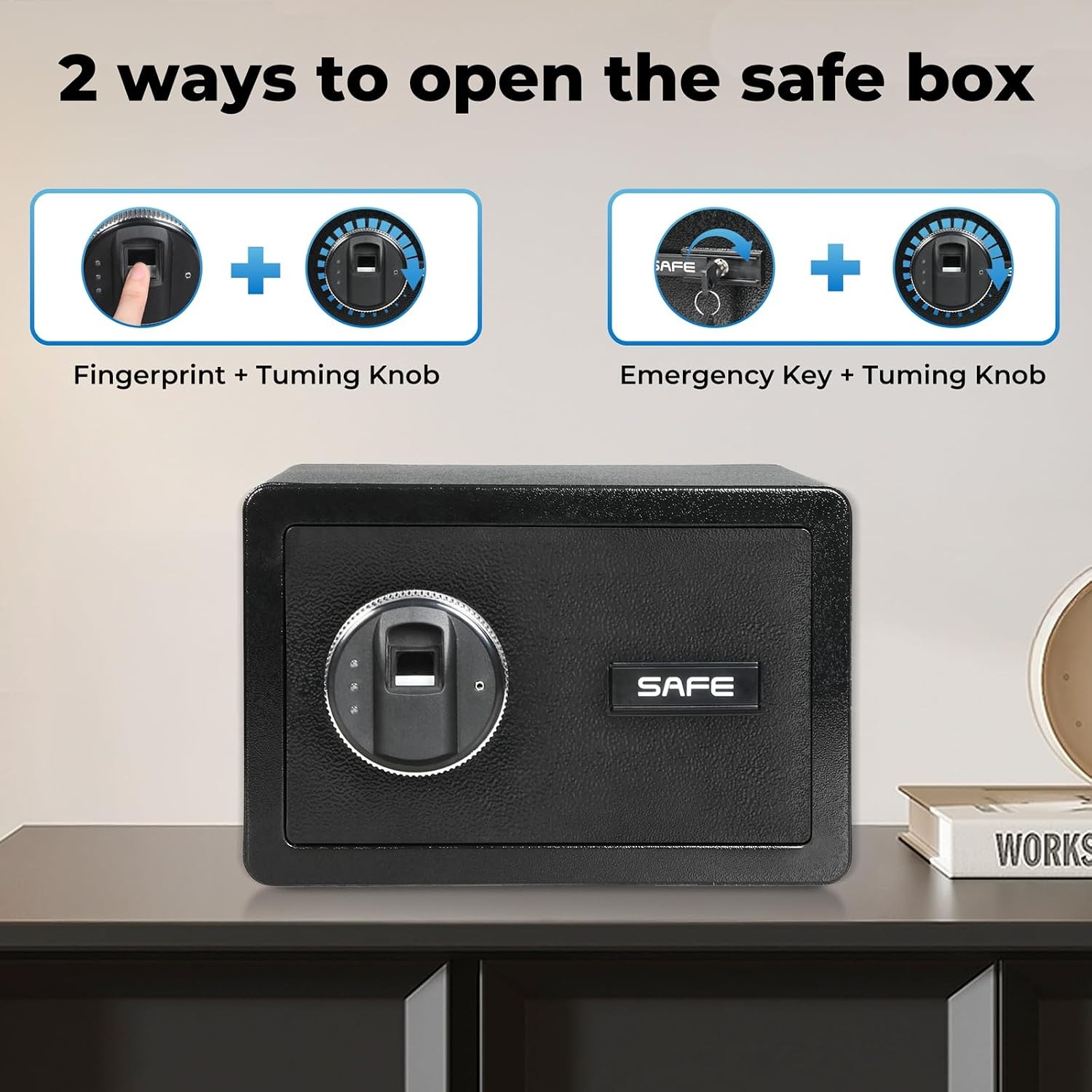
This Biometric Safe Box combines fingerprint entry with key backup in an 8.1 litre format. An adjustable shelf helps divide the space, while an emergency battery pack provides support when the internal batteries run low.
The right choice depends on what you want to store and what protection you need. Start with those questions, rather than assuming every small safe offers the same features or level of security.
Understand what fingerprint access offers
A fingerprint lock safe uses fingerprint recognition as an entry method. That can be useful for routine access because you do not have to reach for a key each time. This model also lists key access, giving you an alternative way to open it.
The record does not state how many fingerprints it stores, how quickly it reads them or whether it offers any other electronic entry method. If several household members need access, the fingerprint capacity is worth confirming before you order.
Once the safe arrives, read the setup instructions before placing anything valuable inside. Register access as directed and test it with the door open where the instructions allow. Familiarity with the controls matters more than rushing through setup.
Decide what you actually need to store
Lay out the items you plan to keep inside. Cash, jewellery, passports and small essentials are the uses described for this safe. Seeing those items together gives you a clearer idea of the space you need.
Include any cases, pouches or holders in your plan. A watch in its presentation box needs more room than a loose watch. Passport wallets can also be much thicker than the documents they contain.
Think about frequency of use as well. An item you reach for every week should be easy to remove without disturbing everything else. A small valuables safe works better when the contents have room around them, rather than being packed tightly against the door or lock area.
Check capacity and dimensions separately
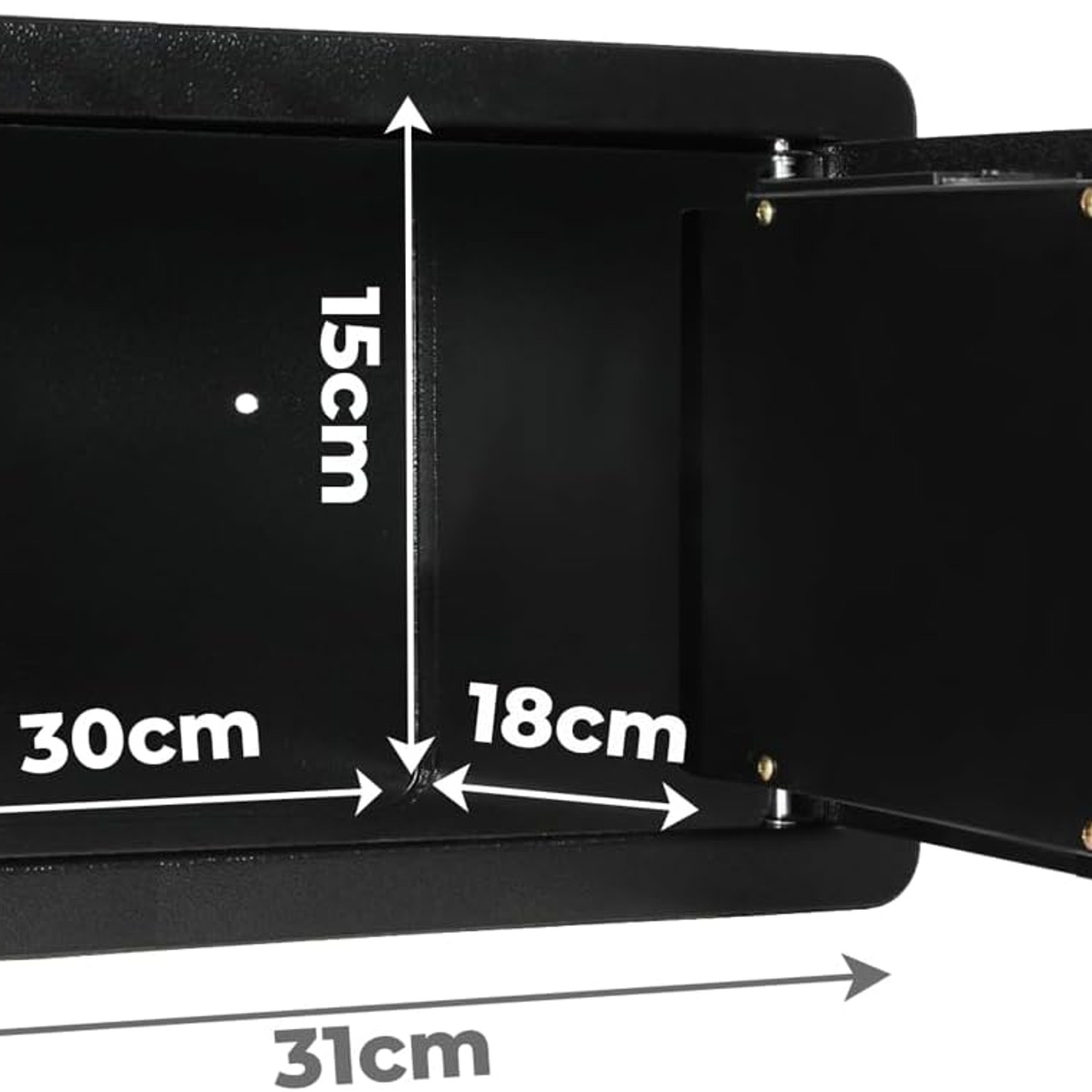
The listed capacity is 8.1 litres, and the overall dimensions are 30 x 31 x 20 cm. Those figures answer different questions. Capacity describes the stated storage volume, while the overall measurements help you judge whether the safe will fit in your chosen location.
Neither figure confirms the size of the door opening or every usable interior measurement. A chamber depth of 7 inches is listed, but complete internal dimensions are not supplied.
For a rigid item or a particular document folder, confirm the usable space before buying. Do not assume that an object just smaller than the outside dimensions will fit inside. The walls, door and lock assembly all take up space.
Make use of the adjustable shelf
An adjustable shelf gives you a way to arrange the interior around different contents. It can help separate smaller pieces from items stored below, making them easier to find.
Before settling on a layout, consider what you will remove most often. Keep frequently used pieces accessible, and avoid a setup that requires you to empty the safe just to reach one document.
The record does not specify shelf positions, shelf load capacity or whether it can be removed. Check the supplied instructions for those details. If you want to add an organiser, measure it against the actual interior first. Buying inserts before checking the available space can leave you with a neat organiser that does not fit.
Choose a location you can use comfortably
A wardrobe safe box may be out of everyday view, but it still needs to be easy for you to operate. Measure the planned space and check that there is room to open the door, reach the reader and use backup access.
The safe weighs 4.4 kg before you add contents. Your chosen shelf or piece of furniture must support that combined load. Use a stable, flat surface and avoid placing it where opening the door would make access awkward or unsteady.
Under-desk placement is another use suggested in the listing. Think about legroom and whether you would need to crouch in a cramped space each time. A location that looks tidy is not always a location that works well.
Look closely at fixing arrangements
This product is described as portable or movable, and brackets are included. However, the record does not give details about fixing points, included fasteners or compatible surfaces.
Those gaps matter if securing the safe in place is part of your plan. Check the installation instructions before drilling or choosing hardware. Do not assume the included brackets will suit every wall, floor or furniture panel.
Renters should also check permission before making permanent changes. If you cannot use the installation method specified by the manufacturer, confirm your options before buying. A movable safe and a correctly secured safe present different practical considerations, even when the storage capacity is the same.
Keep security claims in perspective
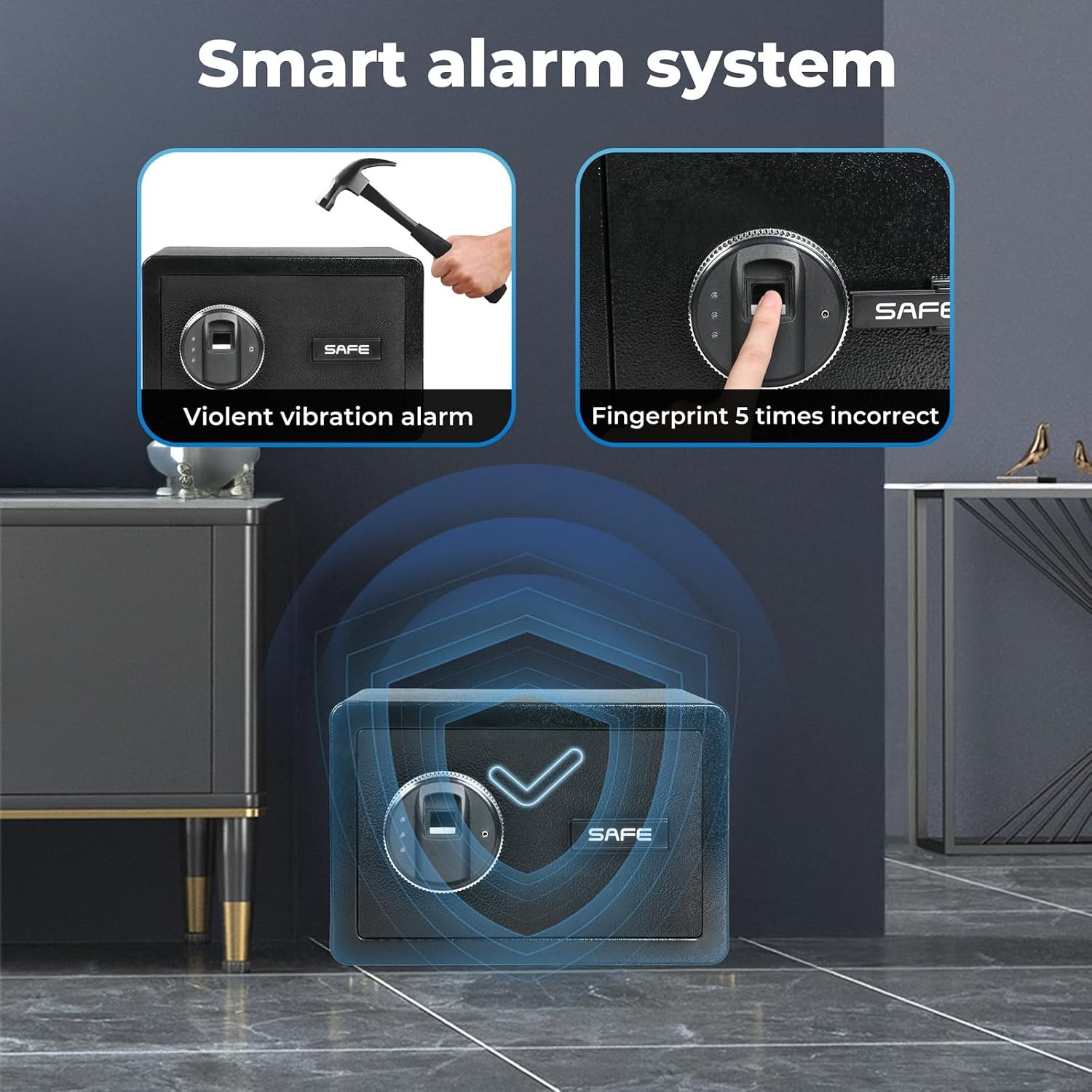
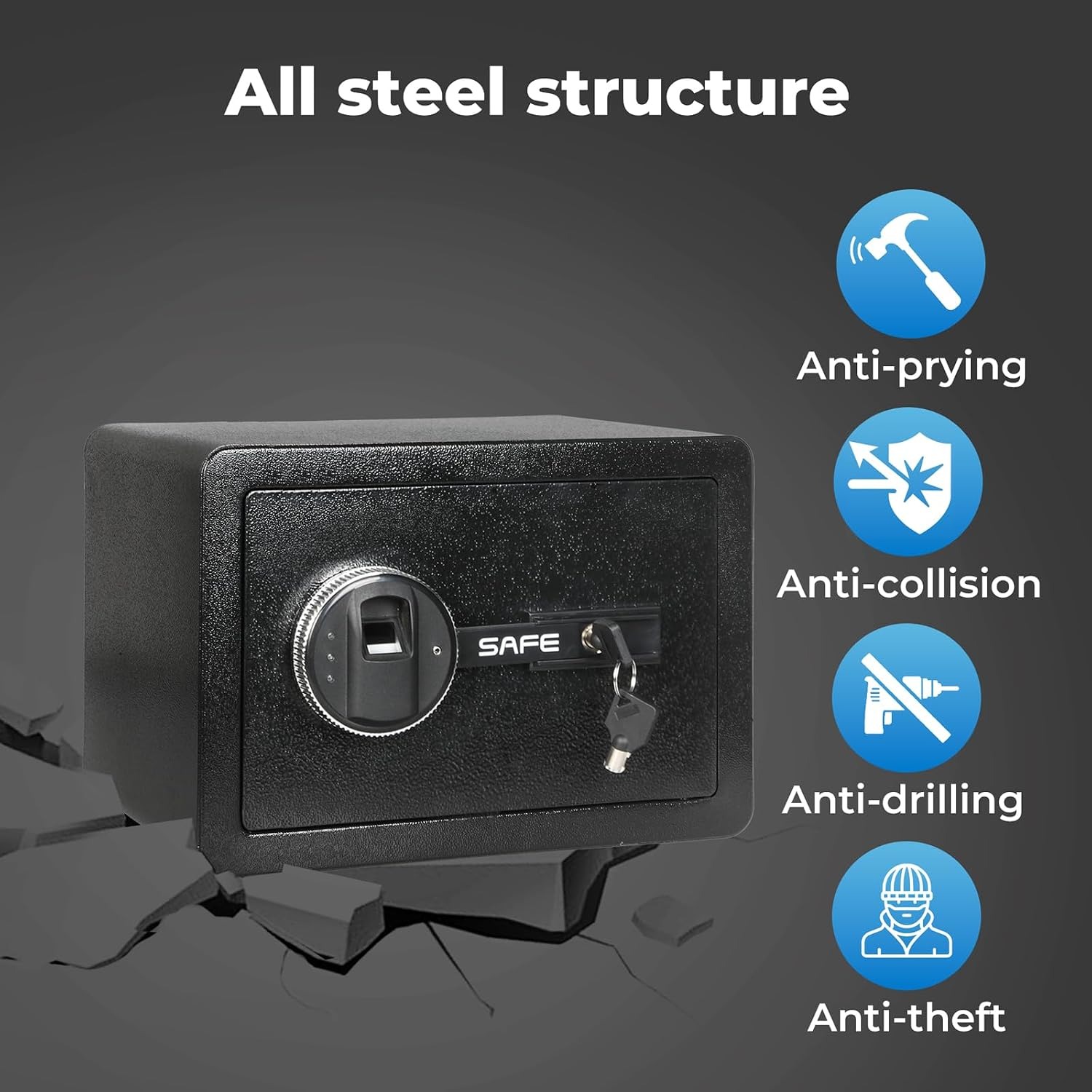
The listing describes alloy steel construction, reinforced lock bolts, close-fitting seams and anti-pry protection. These features are intended to help resist tampering and casual attempts to force entry.
No independent burglary rating is provided. There is also no listed steel thickness or tested resistance time. It would be wrong to treat the construction details as proof of a certified security grade.
If you plan to store high-value items, check any insurer requirements first. Ask what evidence they need for the safe and its installation. This is especially important when comparing a compact home safe with products sold under a stated, independently tested rating.
Do not assume fire or water protection
Lockable storage and protection from fire or water are separate things. This record does not provide a fire rating or a water-resistance rating.
That distinction matters for passports, paper records and items that cannot easily be replaced. A steel body alone is not evidence of tested fire protection. Nor does a closed door establish that water cannot enter.
If disaster protection is a main reason for your purchase, look for a product with a stated rating suited to that need. This small steel safe should be assessed on the features actually listed, not on protections that might be associated with the word “safe”.
Plan backup access before you need it
A safe with backup key access gives you another route in, but the key must remain accessible to an authorised person. Keeping it inside the locked safe defeats that purpose.
Choose a separate secure location and make sure the right person knows where it is. Avoid leaving it beside the safe or in an obvious nearby drawer.
The included emergency battery pack is intended to help when internal batteries run low. Read its instructions early, including how it connects and what it needs to operate. Battery type and quantity are not stated in this record, so confirm them before buying spares. Do not wait for an access problem to learn the backup process.
Keep care simple and regular
Use a soft, dry cloth for routine cleaning. Keep the fingerprint reader clean and dry, and avoid abrasive cleaners that could damage surfaces. Follow the supplied care directions if they call for a particular method.
From time to time, check the door and lock operation while the safe is empty. If something binds or stops working normally, do not force it. Consult the instructions or contact support.
Jewellery may benefit from separate pouches or cases to prevent pieces rubbing together. Interior protective lining is not specified here. Keep the space orderly so that loose contents do not interfere with closing the door, and review the layout when you add new items.
Check the details that affect your purchase
Before ordering an office fingerprint safe or one for home, check any unanswered questions that could change your decision. These may include fingerprint capacity, battery requirements, usable interior space and the installation method.
Review delivery information for your address at checkout. A fixed lead time is not supplied in this record. Warranty terms and the return window are also not specified here, so read the storefront policies rather than assuming a particular period applies.
For a gift, confirm that the recipient wants this type of storage and has a suitable location. Leave personal fingerprint setup to them, and make sure they receive the instructions and backup access items.
The short version
This compact biometric home safe offers 8.1 litres of listed capacity, fingerprint and key access, an adjustable shelf and an included emergency battery pack. It is intended for small valuables such as cash, jewellery and passports.
Measure your location and contents first. Confirm the setup and fixing details that matter to you, and keep backup access separate. If you need certified burglary resistance, fire protection or regulated storage, choose according to documented requirements rather than assuming this safe meets them.