
The complete guide
Choosing a Wall Key Box for Shared Access
A spare key is useful only if the right person can reach it. Leaving one under a pot makes it easy to find, but gives you little control over who finds it. Passing a key from person to person can also become a chore when work hours, visits, and household schedules do not line up.
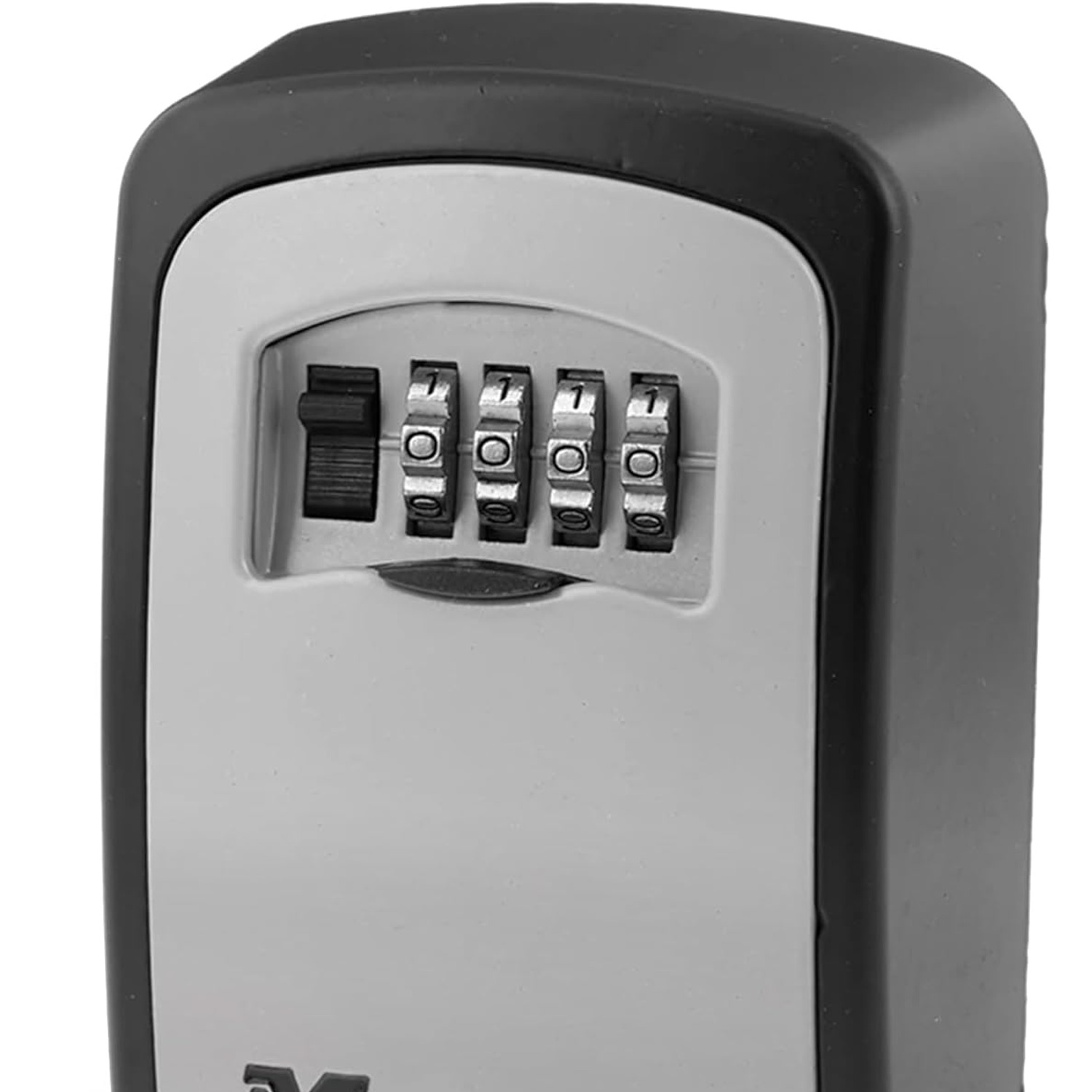
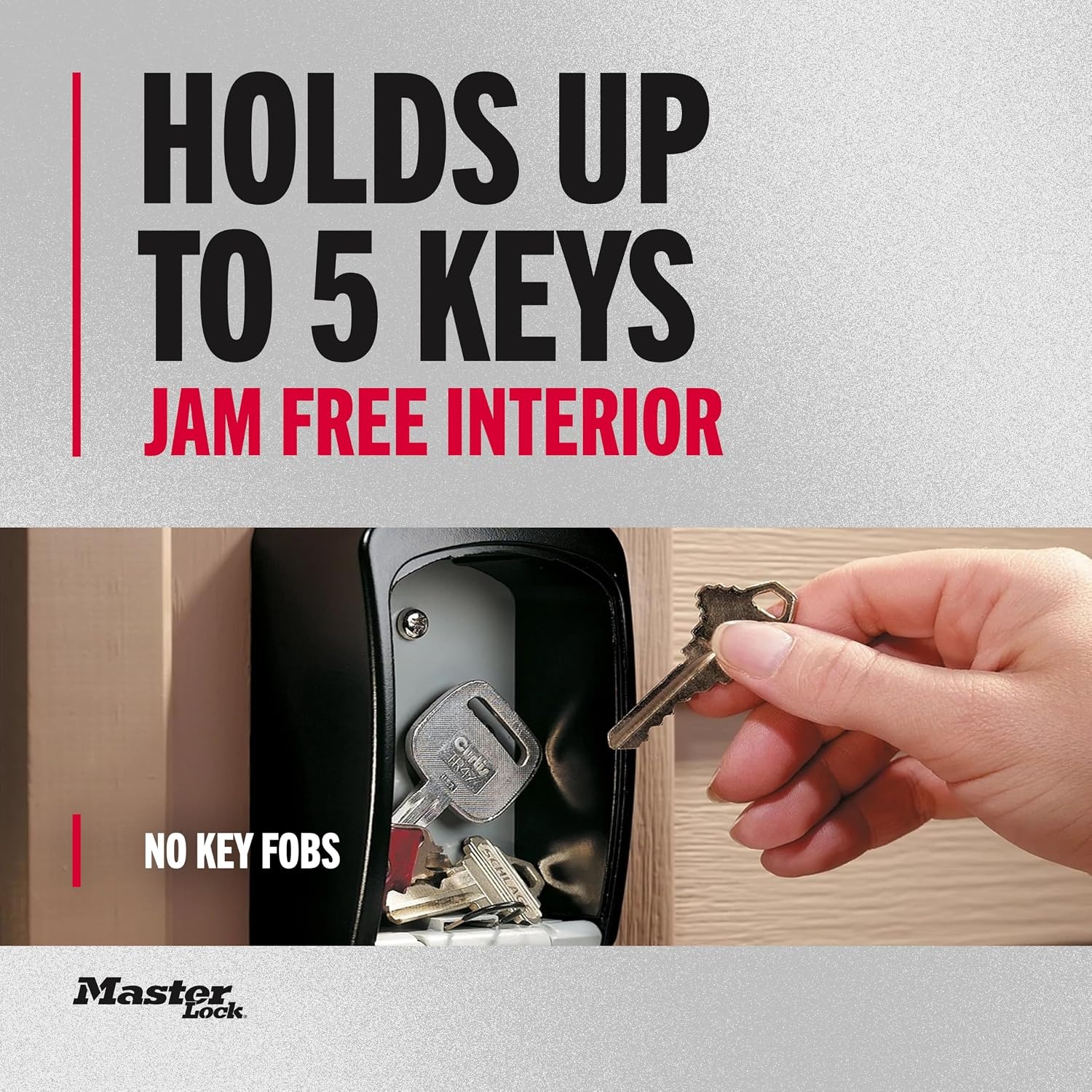
A wall key box gives that spare key a fixed place behind a combination lock. You decide who receives the code and when to change it. This model holds up to five keys and uses a resettable four-digit combination.
Before choosing it, think about more than the lock. The keys must fit, the wall must support the installation, and everyone using it needs to understand the routine.
How this key box works
The idea is simple. You place keys inside the compartment, close it, and use the combination lock to control access. A trusted person enters the four-digit code to collect the key, then returns it after use.
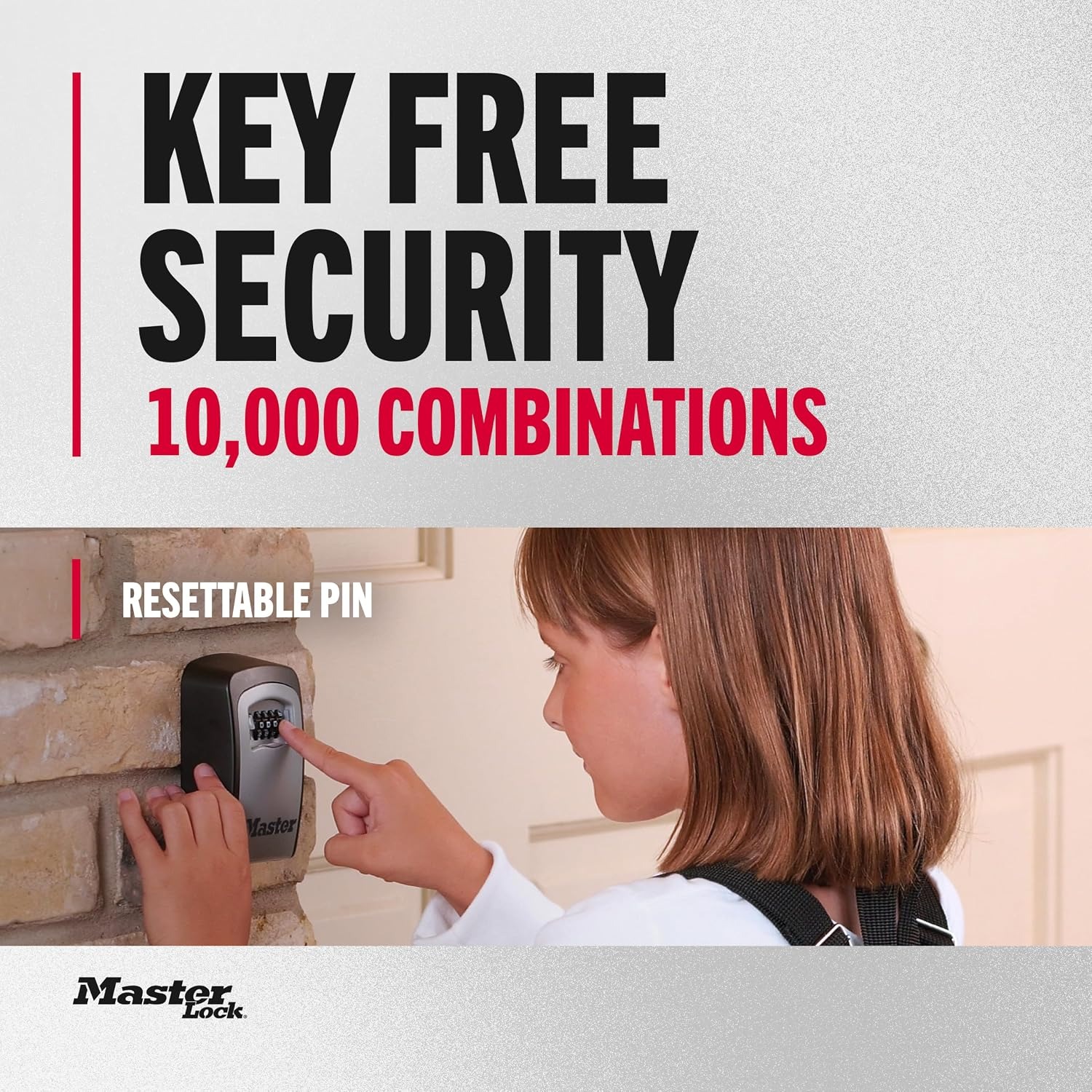
There are 10,000 possible combinations. The code is resettable, which is useful when access changes. You might give someone access for a short period, then choose a new combination when that arrangement ends.
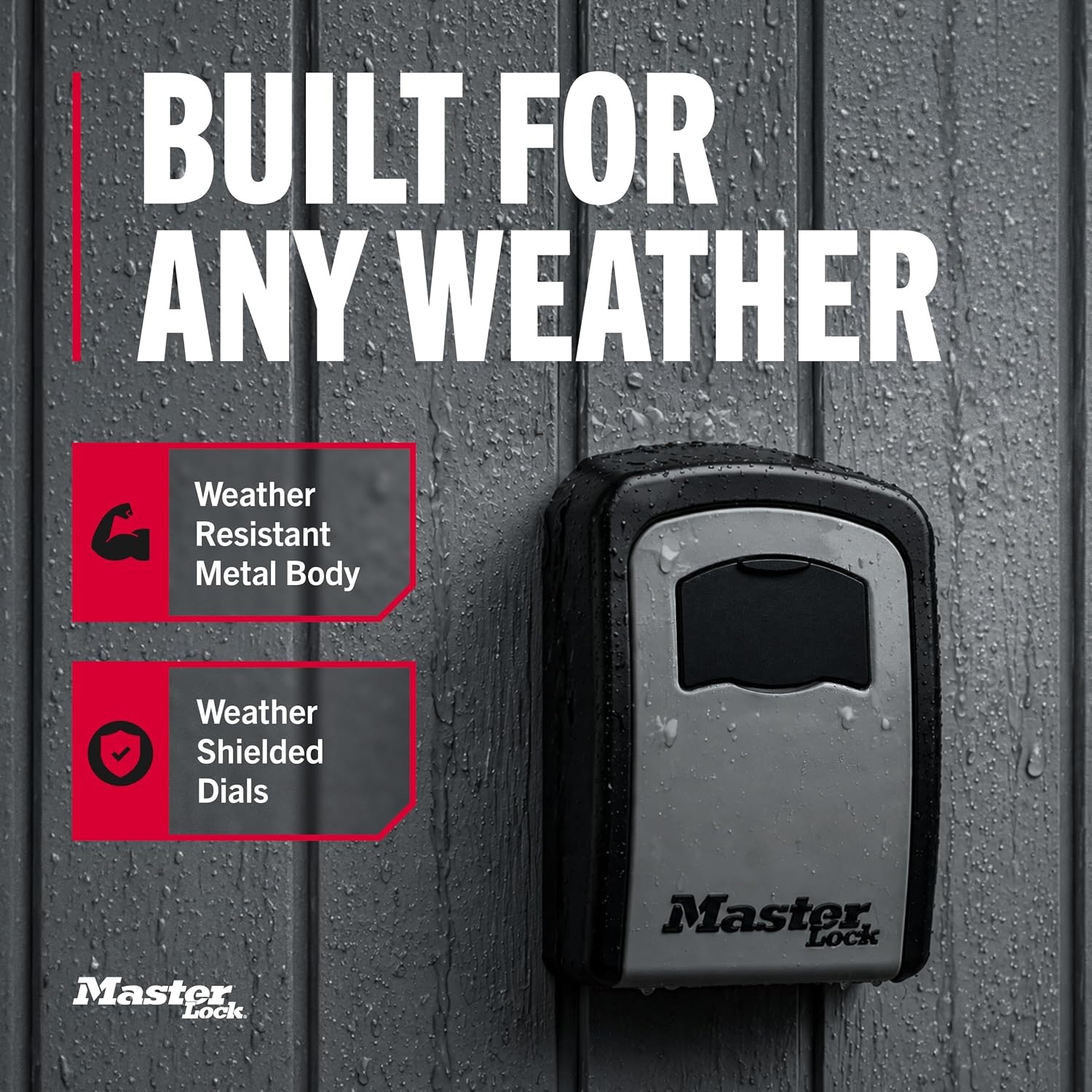
A shutter covers the dials when they are not in use. The product is listed for indoor and outdoor use, with weather resistance and an anti-corrosion feature. Those details support everyday placement choices, but they do not establish a formal weather or security rating.
Who a shared access key box suits
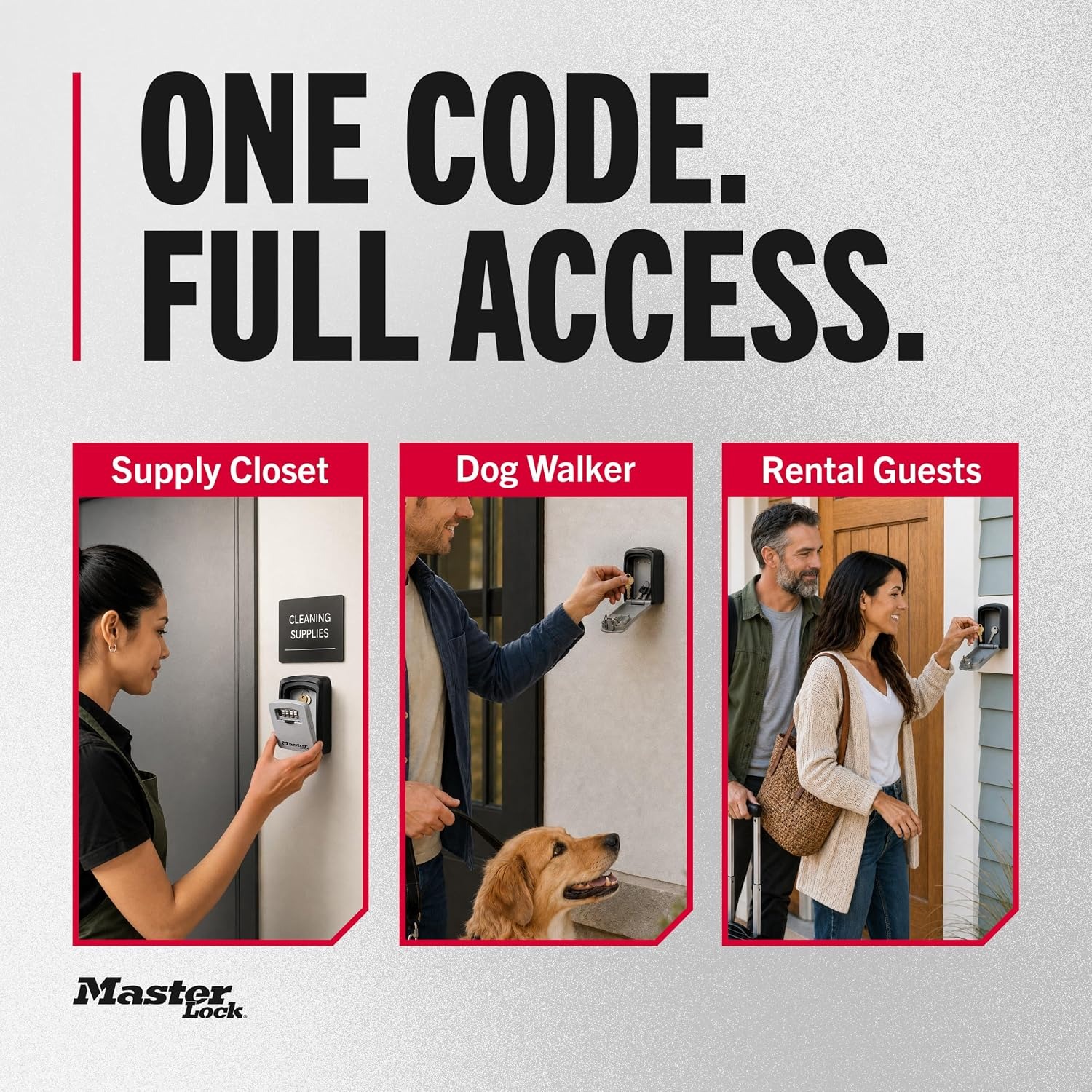
This type of box can help households where people arrive at different times. Rather than arranging a handover each time, you can keep a shared key at one agreed location.
It may also suit visits from trusted relatives, cleaners, or carers. Check any rules their organisation has about collecting and returning keys. A workable plan needs to suit the person using the box, not just the person installing it.
For occasional visitors, clear instructions matter. Explain where the box is, which key they need, and what to do when leaving. Avoid assuming that someone who has used another combination box will know this one's opening steps.
This is shared physical access, not a monitoring system. No access log or individual user tracking is specified.
Check your keys before counting capacity
The stated capacity is up to five keys. Treat that as a guide rather than a promise that every five-key bundle will fit.
Key heads vary in size. A few plain house keys may take up less space than one thick remote key with a ring and several tags attached. The internal compartment dimensions are not given by the maker, so there is no confirmed measurement for comparing a bulky key against the storage space.
Start with the keys you actually want to keep inside. Consider whether large rings or unnecessary tags can be removed without making the keys hard to identify.
Once you have the box, check that the keys sit comfortably and the door closes without pressure. Do not force the door against an overcrowded compartment.
Resolve the measurement conflict before fitting
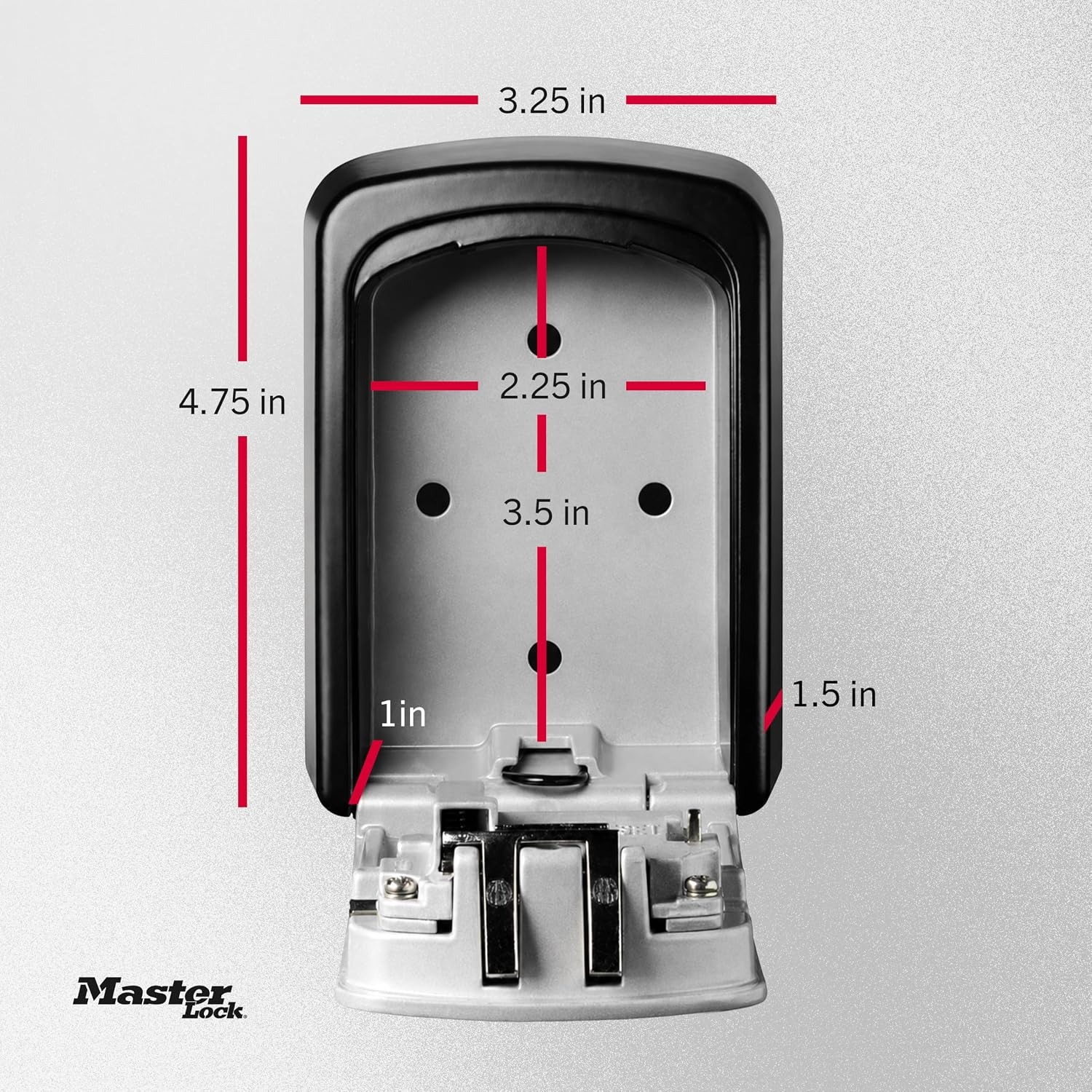
There is an important detail to check before buying for a tight space. The product details give dimensions of 38 × 83 × 120 millimetres. A separate structured field records the same numbers in centimetres.
Those units are not interchangeable. Confirm the actual dimensions before drilling holes, planning a recess, or choosing a narrow mounting spot. The internal measurements also remain unknown.
The included-component description mentions a shackle, while the main description presents a wall-mounted box with mounting hardware. If you need a particular attachment method, ask for confirmation rather than assuming both options are supplied.
These checks are especially useful when replacing an existing key safe. Do not expect the old fixing holes or available space to match.
Choose a sensible mounting location
A wall mounted key safe needs a sound fixing point. Mounting hardware is included, but the maker does not identify every wall type it suits.
Brick, timber, and other surfaces can require different fixing methods. Check the supplied instructions against your wall, and ask an installer if you are uncertain. A poor attachment can undermine an otherwise careful access plan.
Think about the people who will use it. Can they reach the box, see the dials, and stand safely while opening it? A position that works for you may be awkward for someone with limited reach or poor eyesight.
Also leave room to open the shutter and compartment fully. The best mounting position balances practical access with discretion, rather than simply choosing the nearest empty patch of wall.
Understand weather resistance
Outdoor key storage faces rain, dirt, and changing conditions. This box has a metal body and a shutter intended to protect its combination dials from weather.
The maker describes weather resistance and an anti-corrosion feature. It does not provide a formal water-resistance rating, test result, or promise that every part will remain unaffected by exposure.
A sheltered position is a sensible choice where possible. Keep the shutter closed after use and check that dirt has not built up around moving parts.
Do not read weather resistance as permission to immerse the box or expose it to constant direct water. If your proposed location is unusually exposed, confirm suitability before installation. Indoor placement is also an option when trusted users can reach it.
Set a code you can manage
A resettable combination lock box is most useful when you have a clear plan for the code. Choose something that is not an obvious birthday, address, or repeated digit pattern.
Follow the supplied reset procedure rather than instructions for a similar-looking product. Test the new setting while the compartment is open, before placing important keys inside and closing it.
Share the code directly with the people who need it. Avoid leaving it on a note beside the box or including it in a message that may reach a wider group.
Change it when temporary access ends or you suspect it has been passed on. A resettable key safe lets you change the combination, but someone still needs to take responsibility for doing so.
Make returning the key part of the routine
The box cannot help the next person if the key leaves in someone else's pocket. Agree on what happens after each use.
For some households, that means returning the key immediately after opening the door. Other arrangements may require the key to stay with a visitor until they leave. Whatever you choose, explain it clearly.
Ask users to close the compartment, check that it is locked, and close the shutter. They should also follow the supplied instructions for moving the dials away from the opening code.
Keep the contents simple. A spare key lock box is easier to use when people do not have to sort through unrelated keys to find the right one.
Know the limits before relying on it
A metal key storage box offers a controlled location for keys, but it should not be treated as a guarantee against unauthorised access.
No security certification, attack-resistance grade, or insurer approval is specified for this model. If your insurance policy has rules about storing spare keys, check those requirements before deciding where to keep one.
It is also worth considering what the stored key opens. A shared code gives every person who knows it the same route to that key. There is no listed feature for identifying who opened the box.
Choose this style of product for a practical shared-access need, with a clear understanding of those limits. Higher-risk situations may call for requirements that the maker's description does not establish.
Care and checks after installation
Basic care starts with keeping the exterior and dial area free of loose dirt. Use a soft cloth and follow the supplied instructions for any further maintenance.
Avoid forcing the shutter, dials, or door if something catches. First check for trapped keys or visible debris. Do not add cleaners or lubricants unless the instructions say they are suitable.
Check the mounting from time to time for movement or loose fixings. If the box shifts, address the cause rather than continuing to use it as normal.
An occasional opening check is useful too, especially if the spare key goes untouched for long periods. Make sure the intended users still know the current code and that the key is still the correct one.
The short version
This wall key box offers up to five-key storage, a resettable four-digit combination, covered dials, and included mounting hardware. It is listed for indoor and outdoor use.
Before ordering, confirm the conflicting dimensions and any question about the supplied mounting configuration. Check your key sizes, wall surface, and insurance requirements as well.
If those details suit your needs, the remaining task is a simple routine: share the code carefully, return the key, and change access when circumstances change.