
The complete guide
Choosing a Key Safe for Reliable Shared Access
A spare key is useful only when the right person can reach it. Meeting a carer before work, waiting for a tradesperson, or arranging a late guest arrival can turn a simple handover into another task on a busy day.
A key safe with code gives approved visitors one place to collect a key. You agree who may use it, share the combination, and set a clear rule for returning the key. That can reduce handover trips without leaving a loose key in a hiding place.
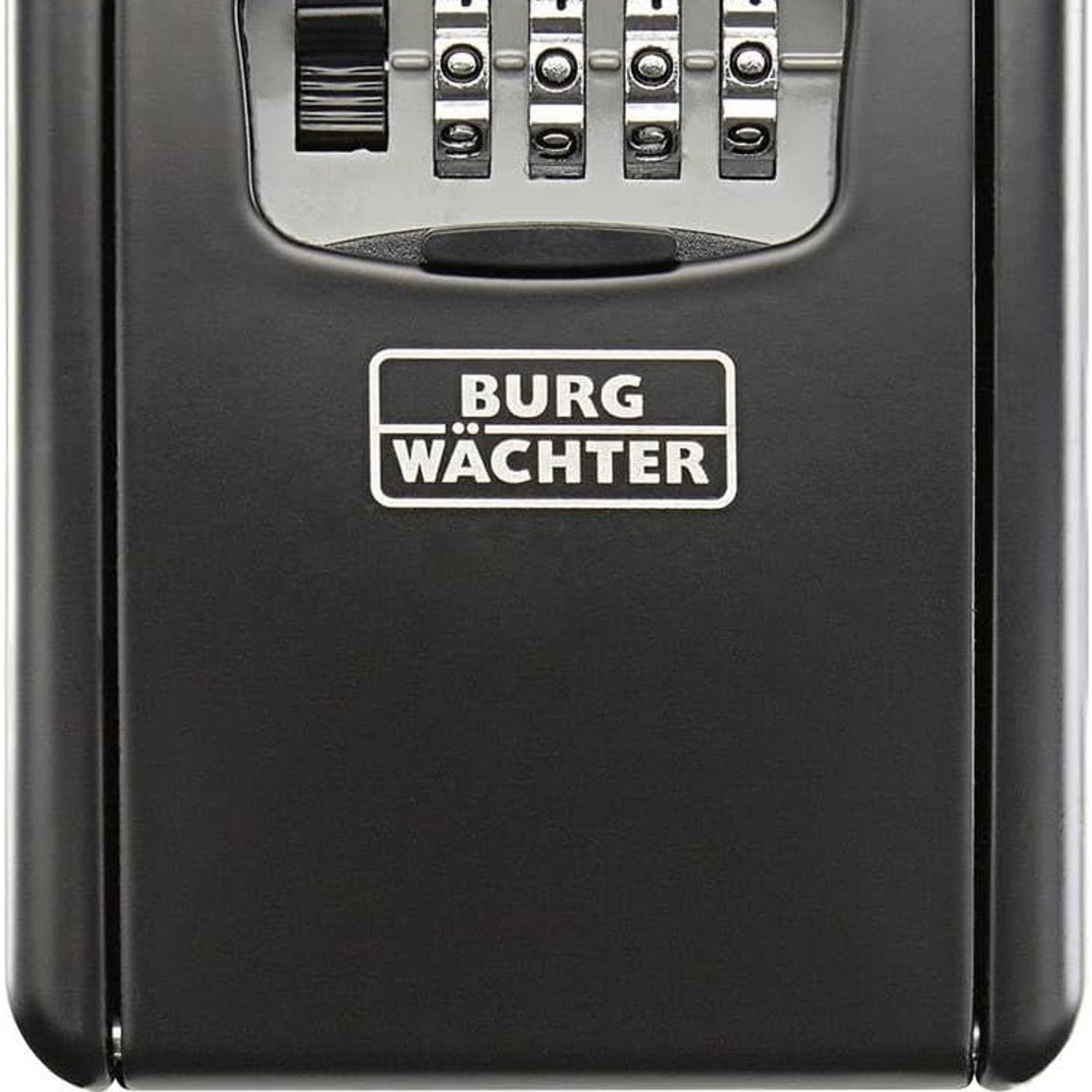
This model uses a resettable four-digit mechanical combination and mounts to a wall. It is intended for indoor or sheltered outdoor use, not an exposed position in the rain. Before choosing it, pay close attention to fit and installation. Some size and material details in the maker's description conflict, so those points need checking rather than guesswork.
Start with the access problem
Think about who needs the key and how often. A family member collecting it once a month has different needs from a carer visiting each morning. A guest may need clear arrival directions, while a regular visitor may already know the property.
Shared access key storage works best when everyone follows the same routine. The person collecting the key should know which door it opens, where to return it, and what to do if the box will not open. Make those arrangements before the first visit.
The box does not decide who is allowed inside. Anyone who knows the current code may be able to access the key. Keeping that code private and changing it when permission ends are part of using the safe responsibly.
How this combination key safe works
The maker describes four number rollers and a mechanical code lock. You set a personal combination, then give that code to the people who need access. There are 10,000 possible combinations listed.
The code can be reset when your arrangements change. That is useful after a holiday booking ends or a temporary worker no longer needs entry. Follow the supplied reset instructions carefully, then test the new combination before leaving the key inside.
An auto-stop function is also described. The maker says the numbers settle into position when entering the correct code, which may help in low light. This is not a claim that the box has a light or illuminated controls. If the area is dark, consider whether visitors can read the numbers safely.
Check key fit before anything else
Do not choose a key box by its outer size alone. A long key, a wide plastic head, and a bulky ring each need different amounts of room. The door also needs to close without pressure from the contents.
The maker's description needs particular care. It lists product dimensions of 5 x 15 x 21 cm, while the maker's description gives an exterior of 90 x 120 x 40 mm. Internal dimensions of 65 x 45 x 30 mm appear alongside separate chamber measurements that do not agree.
The maker's description also says the safe accepts keys up to 9 cm long. That claim is not easy to reconcile with the listed internal measurements. Treat fit as something to confirm before purchase, especially for a key close to that length.
Measure the complete item you plan to store, including its head and any ring you want to keep attached. Ask for confirmed usable chamber dimensions rather than relying on the listed 0.43 L capacity. Volume alone cannot tell you whether a particular key will fit.
Choose a genuinely sheltered location
Although outdoor key safe box is a common search phrase, outdoor suitability varies. This model is explicitly listed as not water resistant. Its sliding protective flap covers the number rollers, but it is not a waterproof enclosure.
An indoor position may suit a shared entrance arrangement, provided the intended user can reach it before needing the stored key. For outside mounting, choose a protected area where direct rain will not reach the box. If the spot gets wet during wind-driven rain, do not assume an overhead cover is enough.
Also think about the person using it. They need room to stand, see the controls, and handle the key. A location that is awkward for you may be much harder for a visitor arriving after dark or in poor weather.
Plan the wall mounting
This is a wall-mounted unit, not a hanging key box. The maker's description lists mounting material, but it does not identify the fixings or the surfaces they suit.
The wall matters as much as the box. Follow the supplied fitting instructions and confirm that the fixings are suitable for the surface. If you are unsure about drilling or the condition of the wall, get help from a qualified installer.
Check any property permissions before making holes, especially in a rental or shared building. Avoid choosing a location solely because it is convenient to drill. You also need suitable shelter and practical access for the people using it.
Once installed, check that the box is firmly attached and that its door and lock work freely. Repeat those checks as part of routine care.
Match it to your visitors
A key safe for carers can reduce the need for someone inside to answer the door. Before using one, ask whether the care provider has rules about approved models, installation positions, or code handling. No care-provider approval is stated for this product.
For holiday guests, the main benefit is a collection point that does not require you to be there at arrival. Give clear directions privately and explain how the key should be returned. Check that the key is back before resetting the code for the next booking.
For tradespeople, agree on the period when access is allowed. A resettable combination key box lets you change the code after a job, but someone still needs to manage that step. Put it on the job-close checklist rather than relying on memory.
Understand the security limits
A mechanical key lock box adds a controlled collection point. It does not replace a sound door lock, careful code sharing, or any security rules attached to the property.
No tested attack rating, burglary certification, or insurer approval is provided in the maker's description. If your policy requires an approved key safe, ask the insurer what evidence they need before buying. A strong-sounding material description is not a substitute for a test rating.
The material itself also needs confirmation here. Product details list cast iron, while the maker's description says die-cast zinc and includes a separate steel reference. It would not be sensible to promise a particular level of resistance from those conflicting entries.
Choose based on confirmed requirements. If you need a specific casing metal, approval, or tested security level, get that information in writing first.
Build a simple code routine
Pick a code that is not an obvious sequence or a date closely linked to the property. Share it only with people who currently need access. Avoid placing the code in public arrival notes or messages that may be forwarded widely.
When access ends, change the code using the supplied instructions. Test the new setting while you still have access to the compartment, then confirm that the box closes and locks correctly.
Agree on key return as well. A locked empty box will not help the next visitor. For regular shared use, a quick check that the key is present can prevent a missed visit or an avoidable journey.
Keep care straightforward
Keep the number rollers and sliding cover free of dirt. Wipe the exterior with a soft cloth and dry it after cleaning. Do not treat cleaning as a reason to soak the unit, since it is not water resistant.
Follow the manufacturer's instructions for any lock maintenance. Do not add cleaners or lubricants unless those instructions allow them. Check that the cover moves freely and that the combination remains readable.
Inspect the mounting periodically, especially if the box is used often. If the door becomes difficult to close, check whether the key or ring is obstructing it rather than forcing it shut. A usable setup should not depend on squeezing the contents into place.
Before you order
Confirm the usable size if key fit matters, and ask about the casing material if that affects your choice. The listed weight is 504 g, and the product details describe a black finish. A two-year manufacturer warranty description is supplied, but its coverage terms are not included here.
Check delivery timing against your first planned use.
Read the applicable return policy before installation. If the dimensions or features are not right, contact us for the return process rather than assuming a drilled or fitted item has the same return conditions as an unused one.
The short version
This combination key safe suits planned key collection by people you trust with the code. Its resettable four-digit lock, wall mounting, and covered rollers support a straightforward shared-access routine.
The main checks are clear. Use a dry or properly sheltered location, confirm the actual key space, and check any required security approval. Then install it correctly, test it, and keep code changes and key returns part of the routine.