
The complete guide
How to Choose a Real Paper Book Safe
A quieter place for small personal items
Loose cash on a desk is easy to notice. Jewellery in an open dish is easy to pick up. Even when you are not storing anything especially valuable, you may prefer to keep personal belongings out of view.
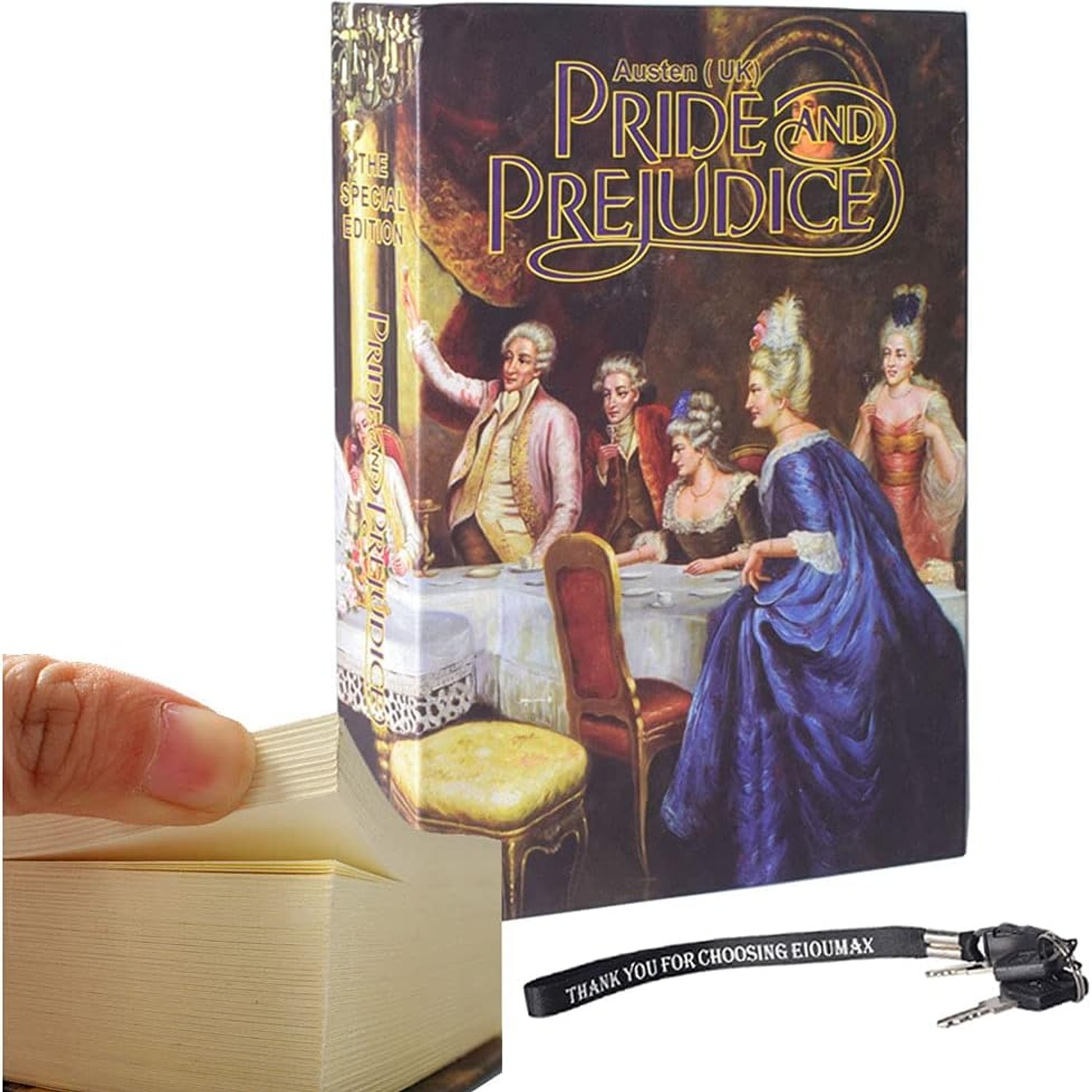
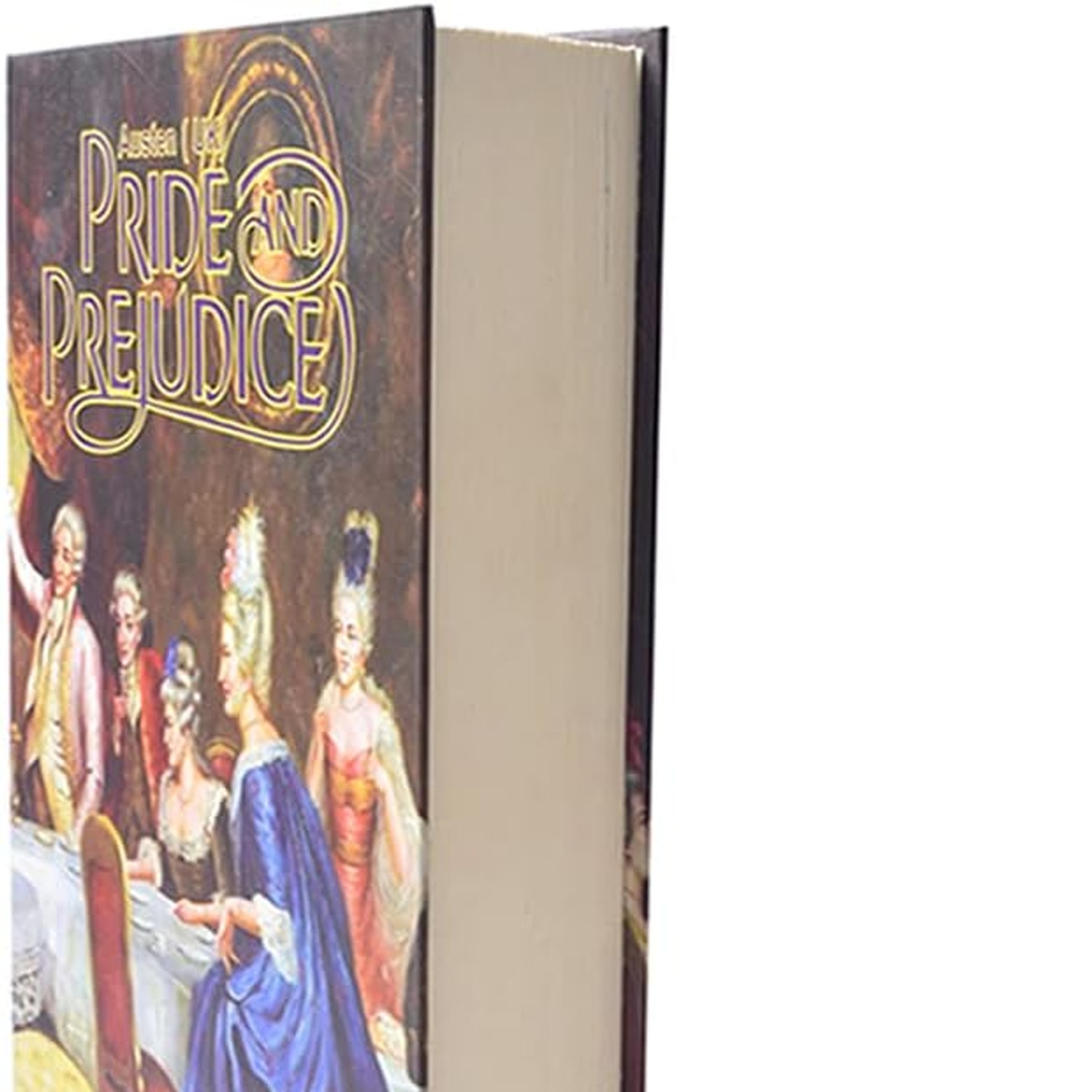
A real book safe offers a simple way to do that. It places a locking compartment inside a book-shaped exterior, so your storage does not look like a standard cash box. This version uses genuine paper pages and a vintage-style cover.
The appeal is discretion, with a key lock for access. That is different from the protection offered by a tested security safe. Understanding that difference helps you choose the right place for it and the right things to put inside.
How this real paper book safe works
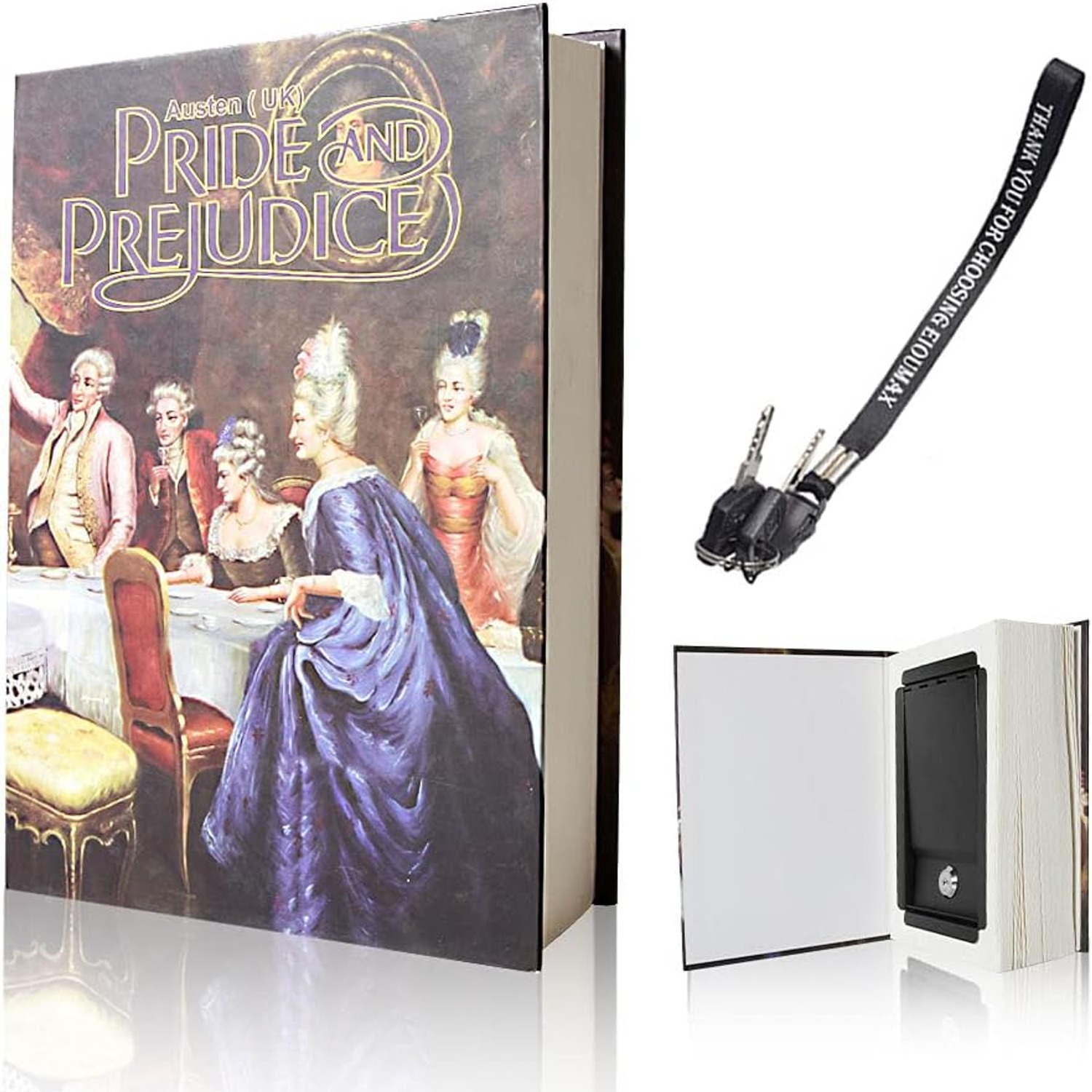
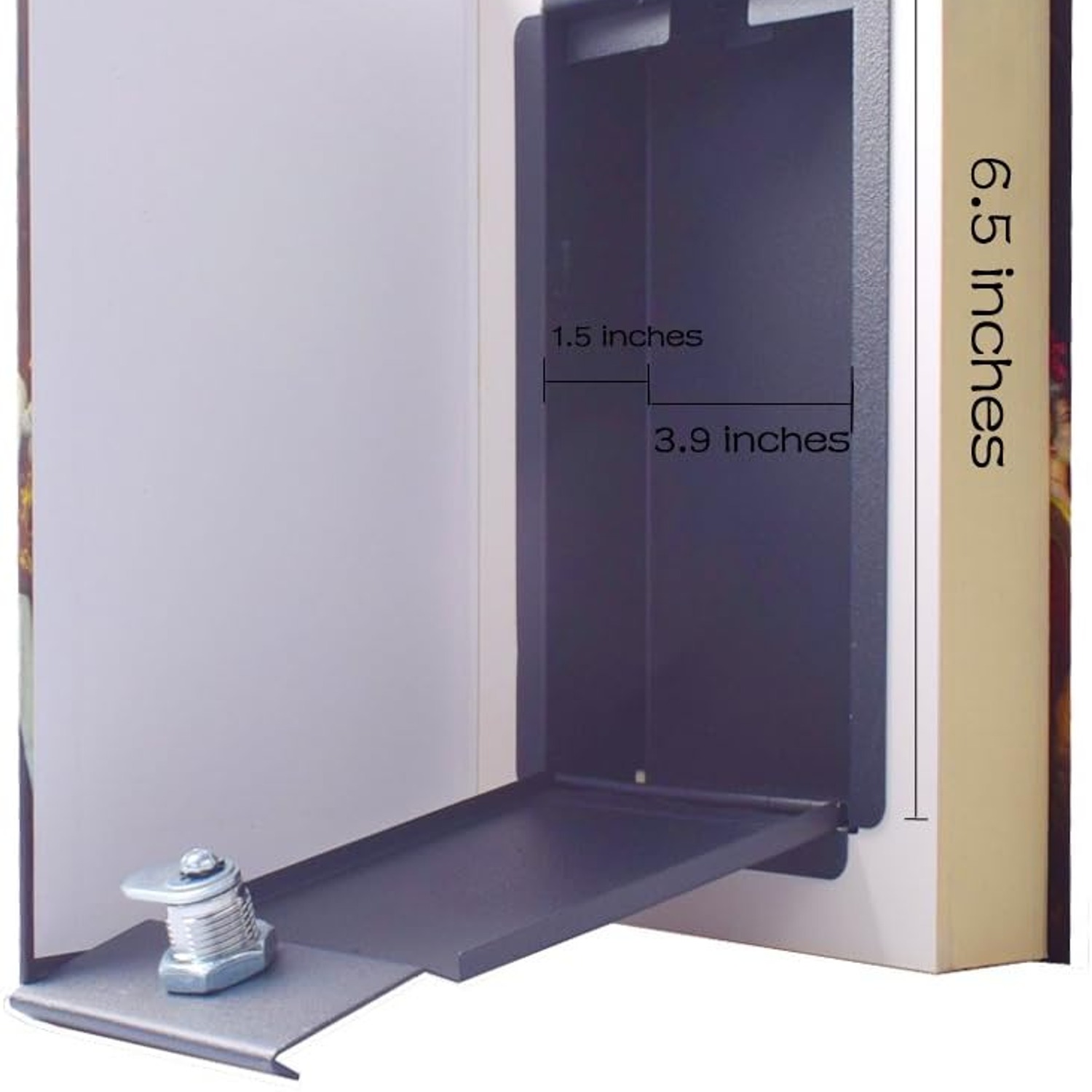
The outer cover opens to reveal a steel compartment. You use a key to access that compartment, then close and lock it before shutting the book cover.
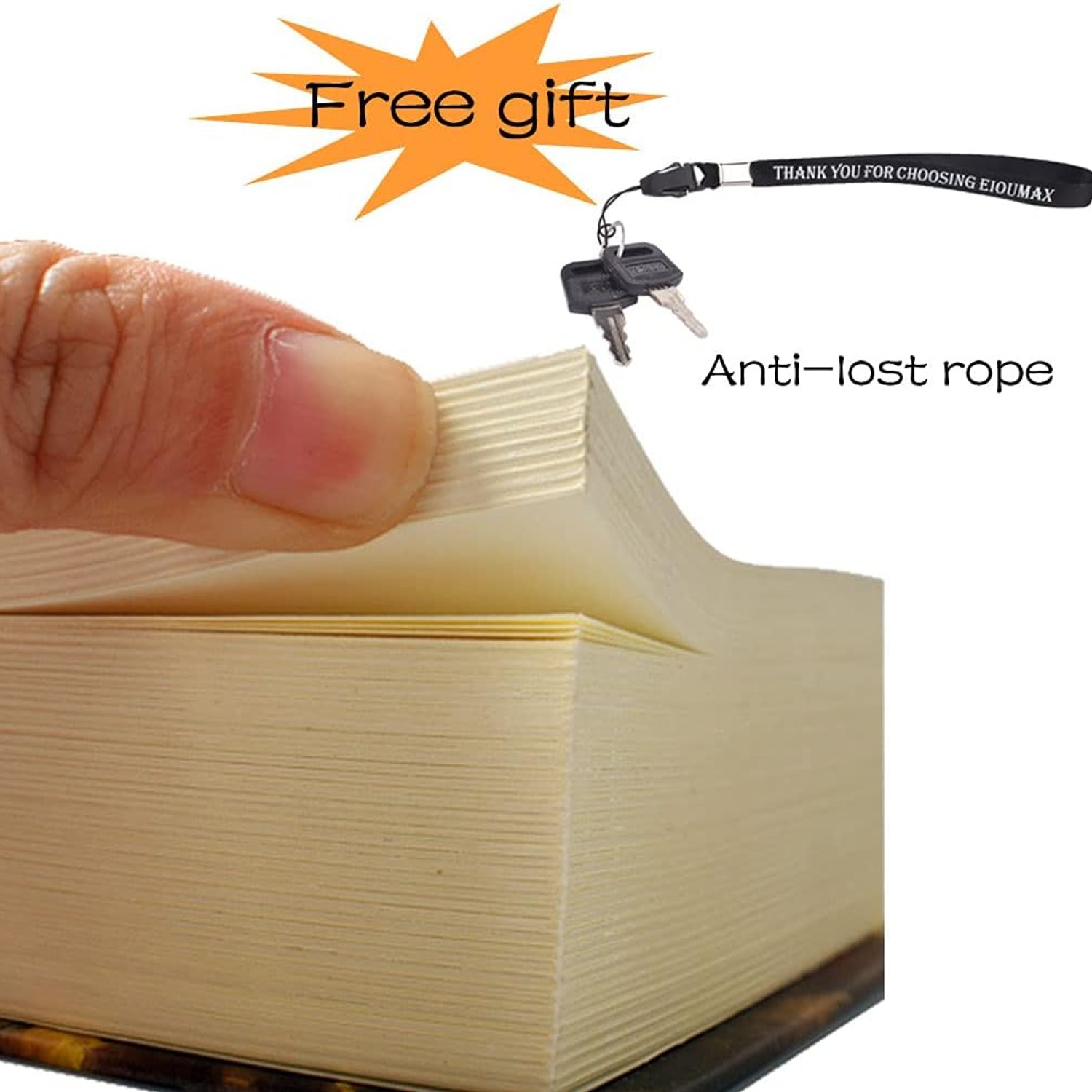
There is no code to remember. The supplied description lists two matching keys, giving you one for regular use and another to keep separately. An anti-lost rope is also described as part of the package.
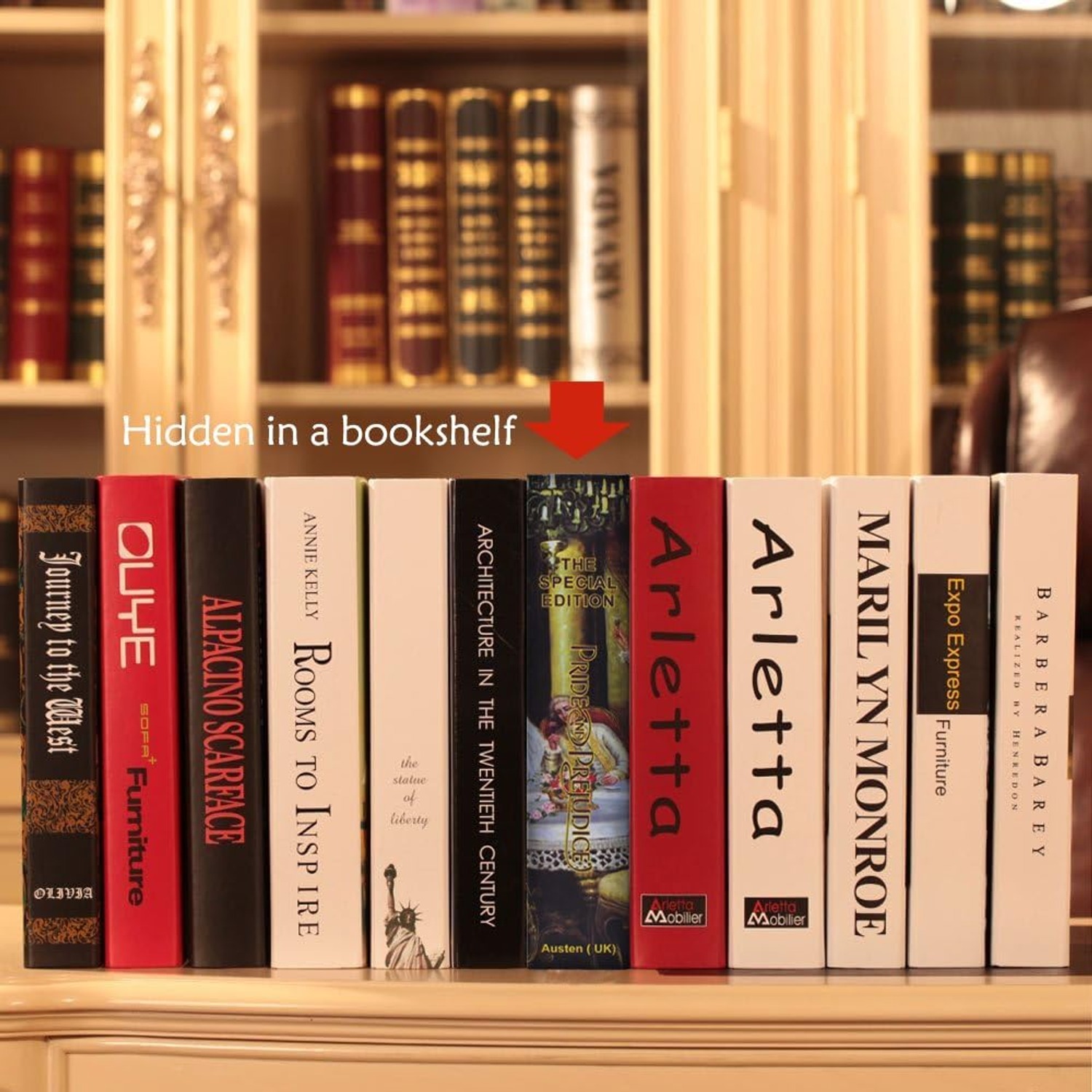
The real paper pages matter because they give the outside a more familiar book-like texture. A plain metal container may stand out on a shelf, while a disguised book safe can sit among reading material without looking like an obvious storage box.
Still, concealment depends on the setting. Someone who picks it up or opens the cover may recognise its purpose. Think of the book design as a way to reduce casual visibility, not a way to make the contents impossible to find.
Start with what you want to store
Before choosing any small valuables storage, gather the items you actually plan to keep inside. A few folded notes take up far less space than a wallet, a watch box, or a stack of documents.
This book measures 16.5 x 10 x 3.8 cm overall. Those measurements describe the outside, including the cover, pages, and inner structure. They do not tell you how much clear space is available behind the locking lid.
The maker's description also gives a capacity of 38.5 cubic inches. That figure is not enough on its own to confirm whether a particular object will fit. Shape matters as much as volume, especially when an opening or lock takes up part of the space.
For a specific item, ask for confirmed usable internal dimensions. This is particularly important for passports, which are suggested in the maker's description but are not proven to fit by the overall measurements.
Who this type of storage suits
A bookshelf lock box can be useful for someone who wants a consistent place for small personal belongings. Instead of spreading cash and cards between drawers, you can keep suitable items together.
It may also appeal to people in shared homes. A locked container sets a clear boundary around private belongings, while the book exterior keeps those belongings out of direct view.
For students, a dorm room book safe can be a modest storage option for small items. The limit is that it remains a portable object. Another person could remove the whole book, so valuable or irreplaceable possessions may need a different solution.
The same reasoning applies in an office. It can keep personal items off the desktop, but it does not replace workplace security rules or secure storage provided by an employer. Match the container to the level of protection you need.
Know what the key lock can and cannot do
A key lock adds a physical step between someone opening the cover and reaching the contents. That is useful for privacy and casual access control.
It does not establish resistance to forced entry. The maker gives no tested burglary rating, and the steel compartment should not be taken as proof of a particular security grade.
There is also no stated fire rating. Important original documents, high-value jewellery, or money you cannot afford to lose may be better suited to storage with verified protection.
The product details use anti-theft wording and include an alarm field, but they do not explain a working electronic alarm. Do not buy it expecting sound alerts, movement detection, or notifications. The clearly described access method is the key lock.
Choose a location that makes sense
Hidden book storage works most naturally where books already belong. A shelf of mixed reading material may be a better setting than an otherwise empty table with a single decorative book.
Consider convenience as well as appearance. If you need to reach the compartment often, choose somewhere you can open it without dropping the contents or bending the cover against nearby objects.
Keep the location dry. This product is not water resistant, and the paper pages are another reason to avoid damp spaces. A bathroom shelf, a spot beside a sink, or a surface that often catches drink spills is a poor choice.
The maker lists floor mount in the product details, but does not explain a fixing method or confirm mounting hardware. Do not assume you can bolt it down. If anchoring matters to you, ask for clear installation details before ordering.
Build a sensible key routine
A book safe with key is only convenient if you can find that key when you need it. Decide where your everyday key will live before putting anything important inside.
Keep the spare somewhere separate. Storing both keys in the same drawer means one misplaced set can leave you without access. Leaving a key beside the book also weakens the privacy benefit of the lock.
No replacement-key service or reset process is specified. For that reason, avoid treating the spare as an optional extra that can be set aside and forgotten.
When closing the compartment, check that nothing sits across the edge. If the key resists, stop and check the lid alignment and contents rather than forcing it. Pressure from an overfilled box can make ordinary use harder than it needs to be.
Think carefully about sensitive contents
A cash storage book can suit a modest amount of spending money that fits comfortably inside. Small jewellery pieces or cards may also be practical choices, depending on their dimensions.
Take more care with items that need special storage conditions. Medication, for example, may have temperature, moisture, or child-safety requirements. The maker gives no child-resistant certification, so the presence of a lock is not enough to establish suitability.
Likewise, paper documents need protection from damp and fire if you want long-term preservation. This book safe does not offer confirmed protection from either.
A useful rule is to ask what would happen if the entire container were lost or damaged. If the consequences would be serious, consider a more secure storage method for those particular contents.
Care for the cover, pages, and lock
Care is mostly about keeping the book dry and handling it without force. Dust the exterior gently with a soft, dry cloth rather than spraying cleaner over it.
Avoid soaking the pages or wiping around the lock with a wet cloth. If the storage area becomes damp, move the book to a dry place and check the condition of the contents.
Do not pack the compartment so tightly that the lid needs pressure to close. Leave enough clearance for the locking parts to move freely. The outer cover should also close without bulging.
It is worth checking the book from time to time, even if you rarely open it. Make sure the keys are accounted for, the location is still suitable, and the items inside still belong in this kind of storage.
Buying it as a gift
A vintage style book safe can make a thoughtful book lover gift when the recipient enjoys useful objects with a literary theme. The supplied description identifies a Pride and Prejudice cover, which may help you judge whether the style suits them.
The most important point is setting the right expectation. This is a compact locking storage book, not a high-security safe or a full-size document box.
If the gift is intended for a specific item, confirm fit first. A pleasing cover will not solve a compartment that is too small. It also helps to pass on the care advice and remind the recipient to store the spare key separately.
The short version
Choose this real paper book safe if you want discreet, compact storage with key access and a book-like exterior. Its genuine pages and steel inner compartment are the main features.
Check fit before buying, especially for passports or larger objects. Keep it dry, do not assume it has an electronic alarm, and reserve higher-security storage for items that need tested protection.
Used with those limits in mind, it offers a simple place to keep small belongings together and out of open view.