
The complete guide
Choosing a Home Safe for Your Space and Valuables
A proper place for the things you want to keep secure
Cash in a drawer, jewellery in several boxes and important papers on a shelf can be hard to keep track of. A home safe gives these belongings a dedicated place. It also adds a locked barrier between your possessions and anyone who should not have access.
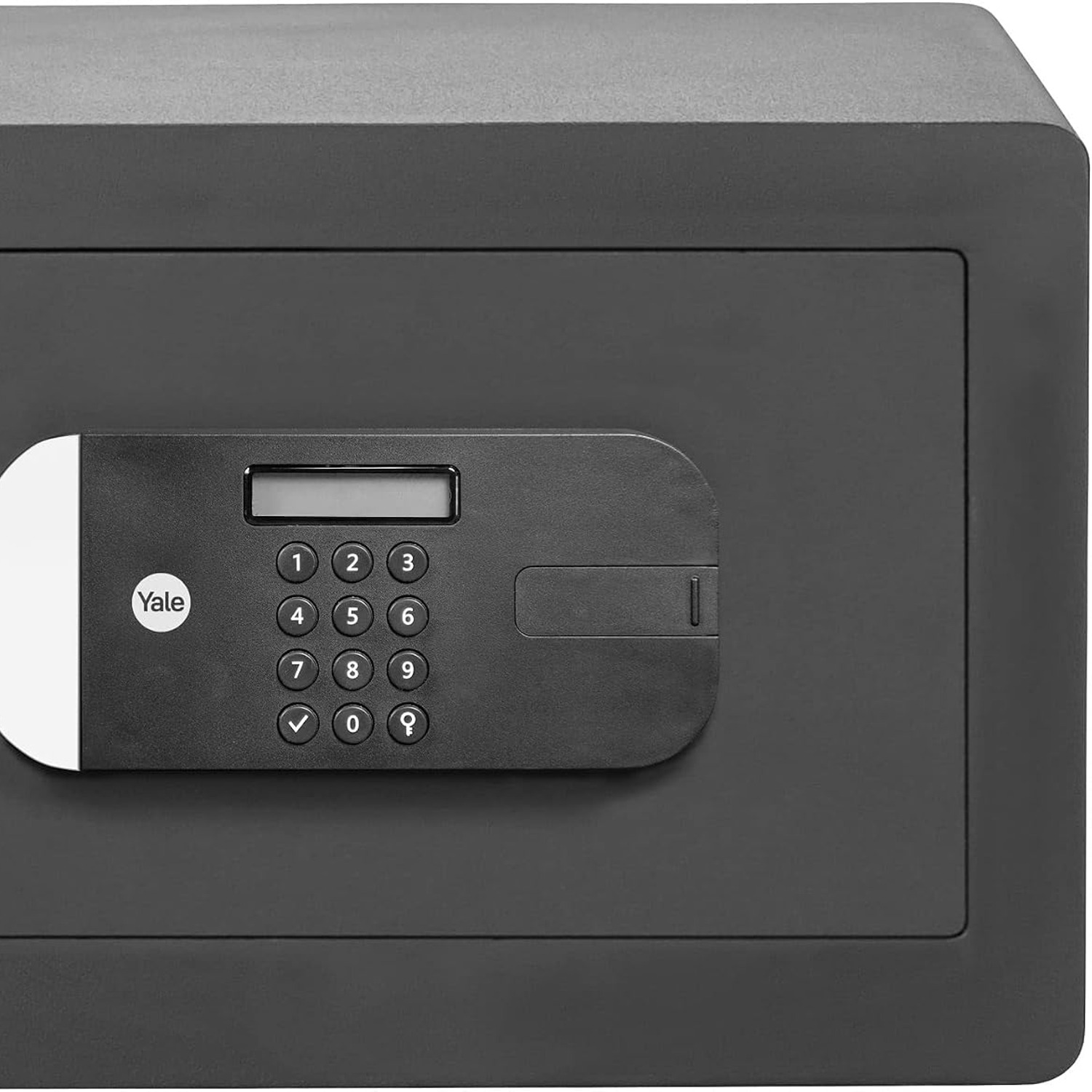
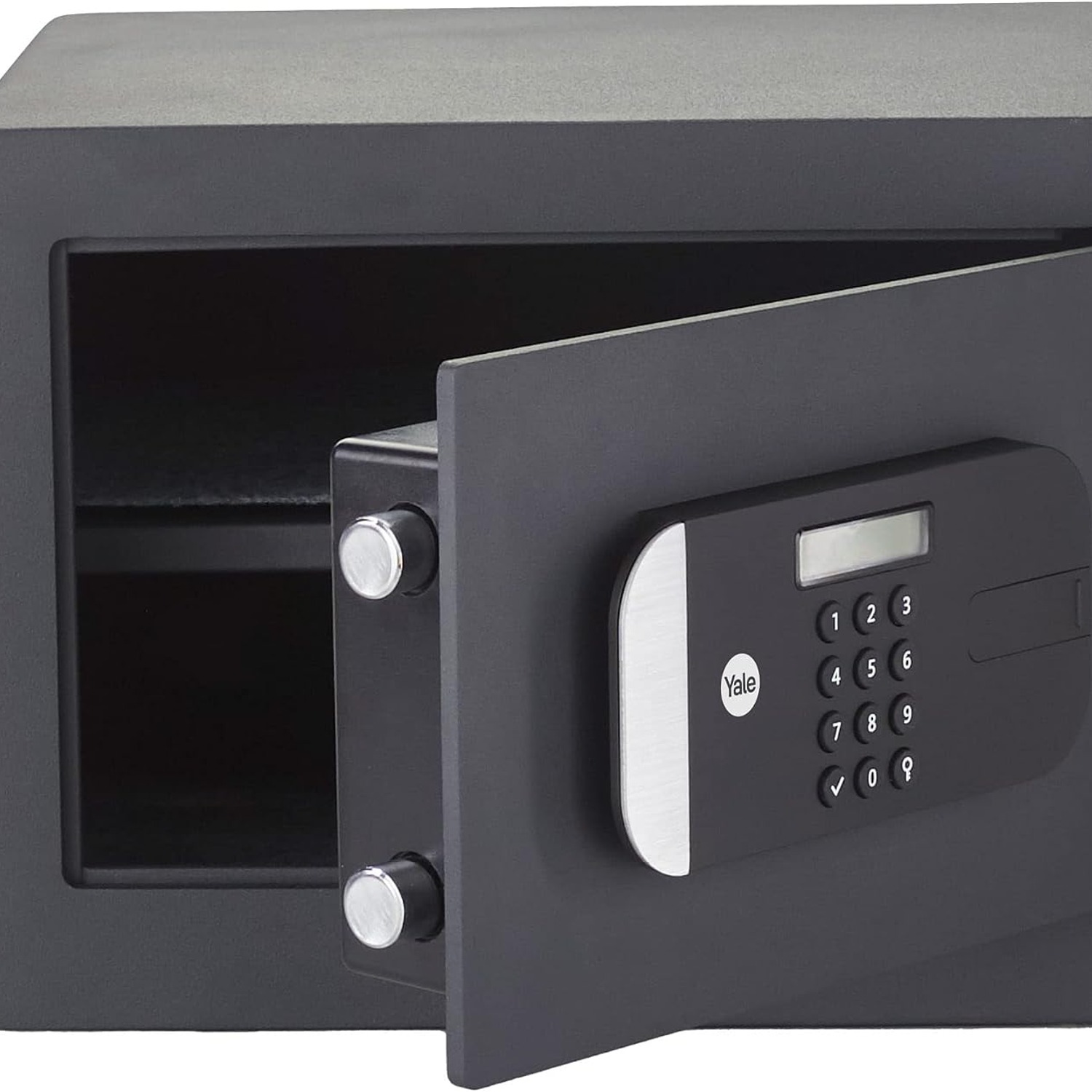
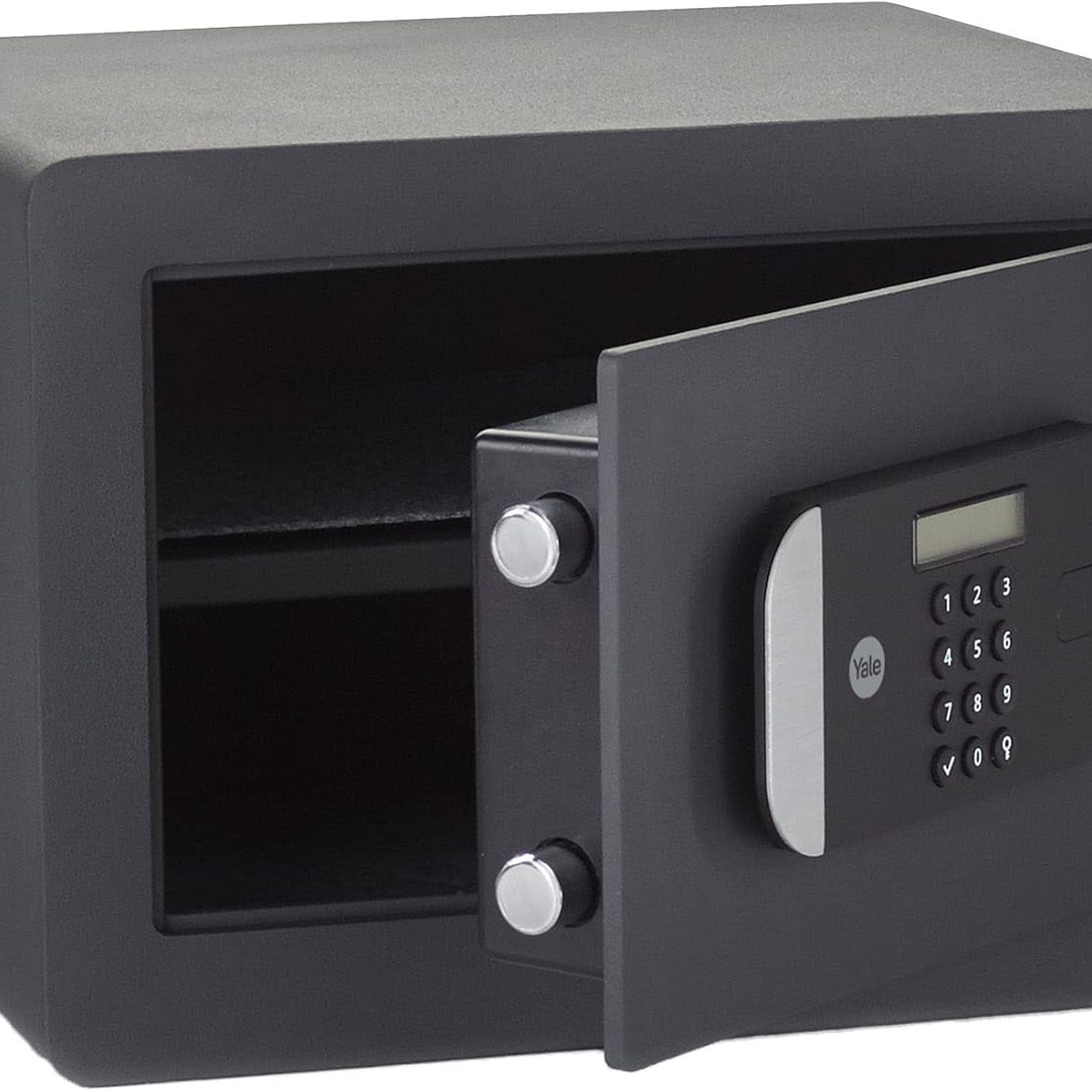
The Maximum Security Home Safe combines PIN entry with an internal light, hanging hooks and wall or floor mounting options. Those are useful features for everyday storage, but choosing a safe takes more than reading its name.
Start with what you want to store, where the safe will go and the level of protection you need. This model has some clear specifications, along with a few details that need checking before you buy.
How the electronic lock works
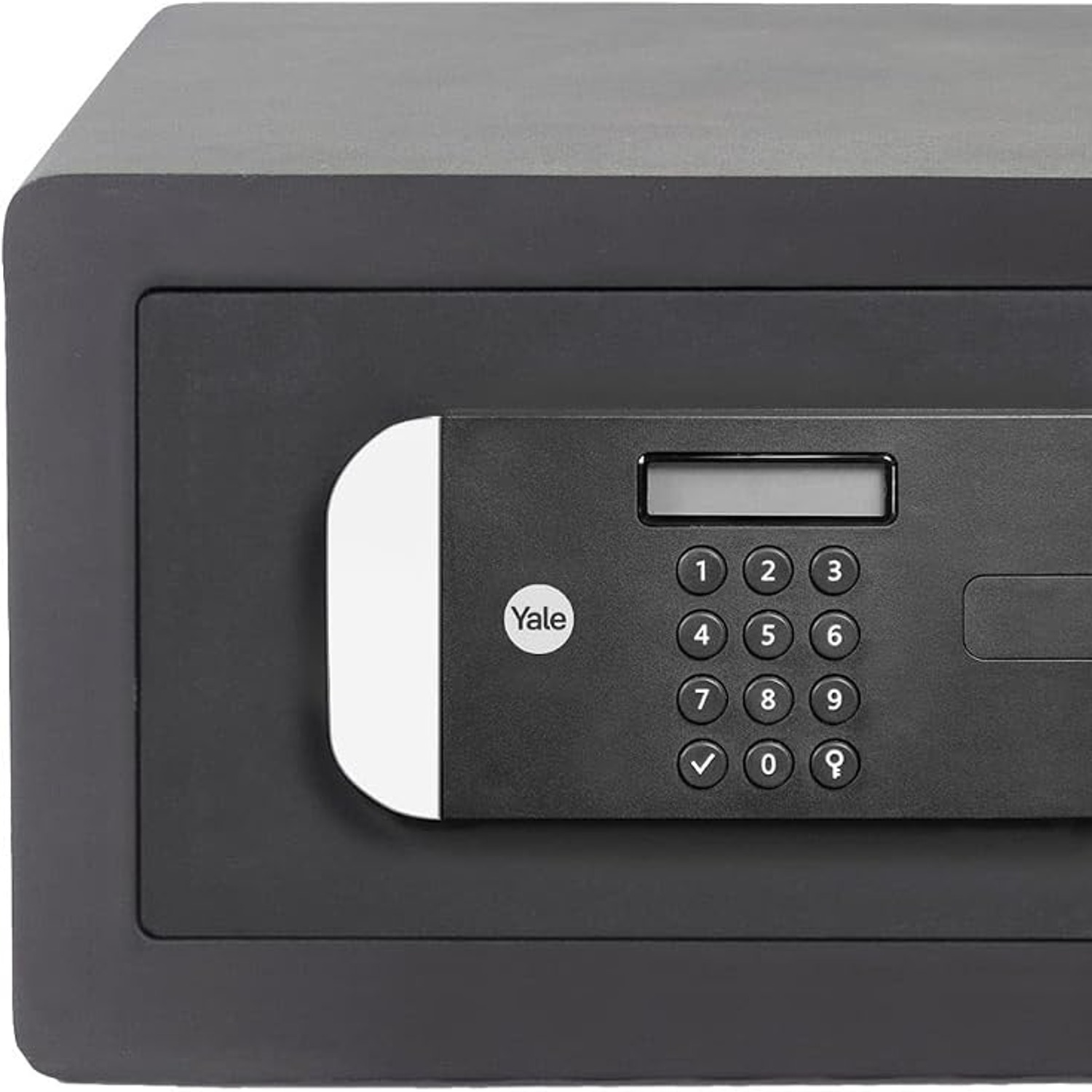
This electronic combination safe uses push-button controls and an LCD display. You enter a PIN for normal access, rather than reaching for a key each time. The maker describes more than 100,000 possible PIN combinations.
After three incorrect attempts, the lock enters a one-minute lockout. That pause slows repeated code entry. It does not sound an alarm, and this model is listed as having no alarm.
A double-bitted mechanical override key is included for backup access. Keep it in a separate secure place that you can reach when needed. Leaving it inside the safe defeats its purpose.
The maker does not specify PIN length, battery type or programming steps. Read the supplied instructions before setting the code. Before putting valuables inside, follow the maker's procedure for checking that normal and backup access work.
Look beyond the security name
“Maximum Security Safe” is the product name, not an independent security grade. The listed physical features include an anti-drill plate and a laser-cut door. These are relevant when comparing construction, but they do not establish a tested level of resistance to forced entry.
No independent burglary rating, steel thickness or insurance cash rating is specified. If your insurer requires a particular grade, ask for evidence that the safe meets it. A product description alone is not enough to confirm cover.
Think about how the safe fits into your wider home security. A secure home safe can provide a locked place for valuables, but it should not replace sound door locks or other precautions. Installation, access habits and the value of the contents all matter.
Check the size before choosing a location
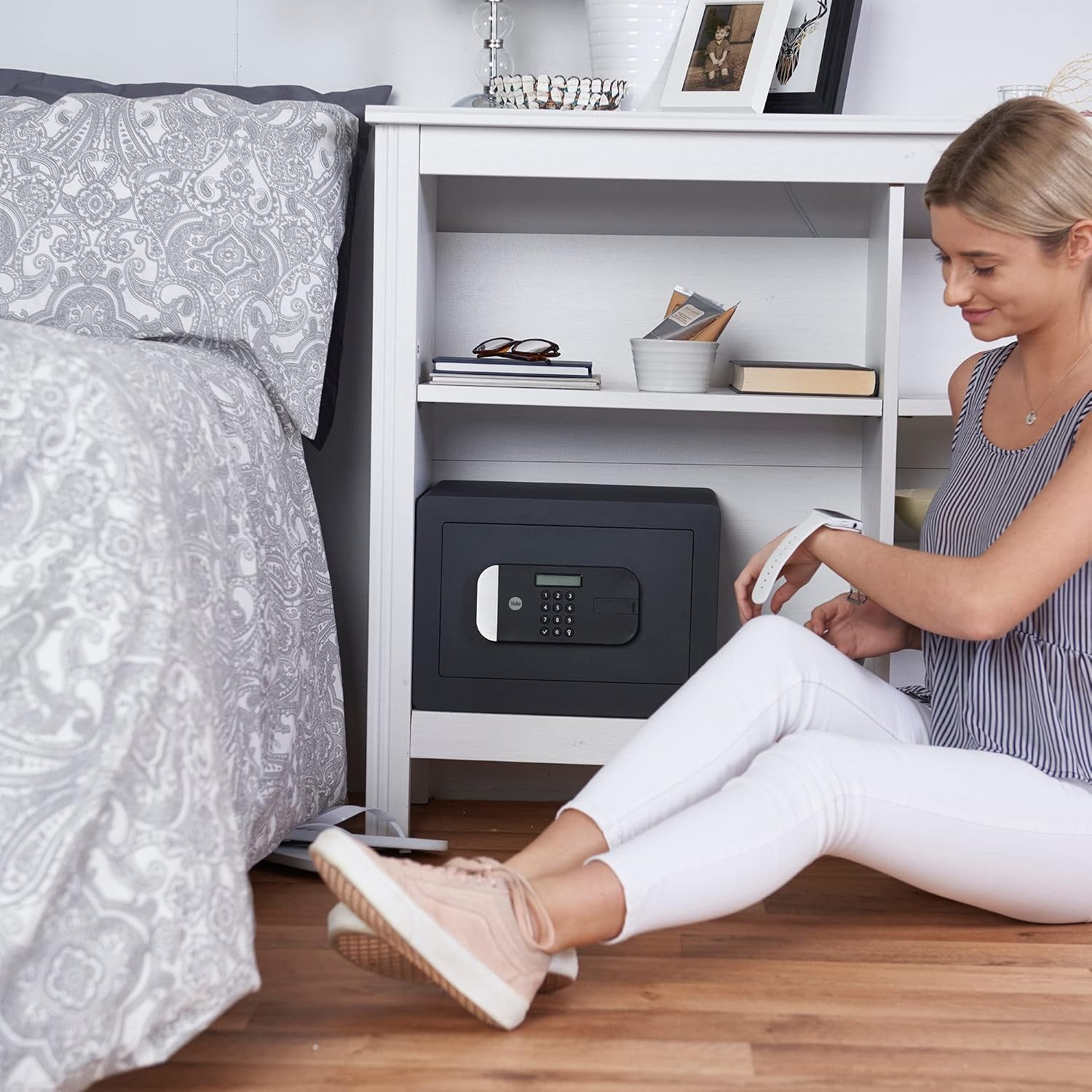
The listed dimensions are 23 x 33.7 x 24 cm, and the weight is 15.7 kg. Mark out that space in the cupboard or room where you plan to install it. Then allow room around it for the door to open and for comfortable keypad access.
Do not plan around the closed box alone. A safe tucked tightly against a cupboard side may be awkward to use even if the body fits.
Check the route to the installation spot. Shelf openings, cupboard doors and nearby furniture can make a small space harder to reach. Given the weight, plan how you will position the safe safely rather than trying to hold it in place while deciding where it belongs.
Confirm the usable interior
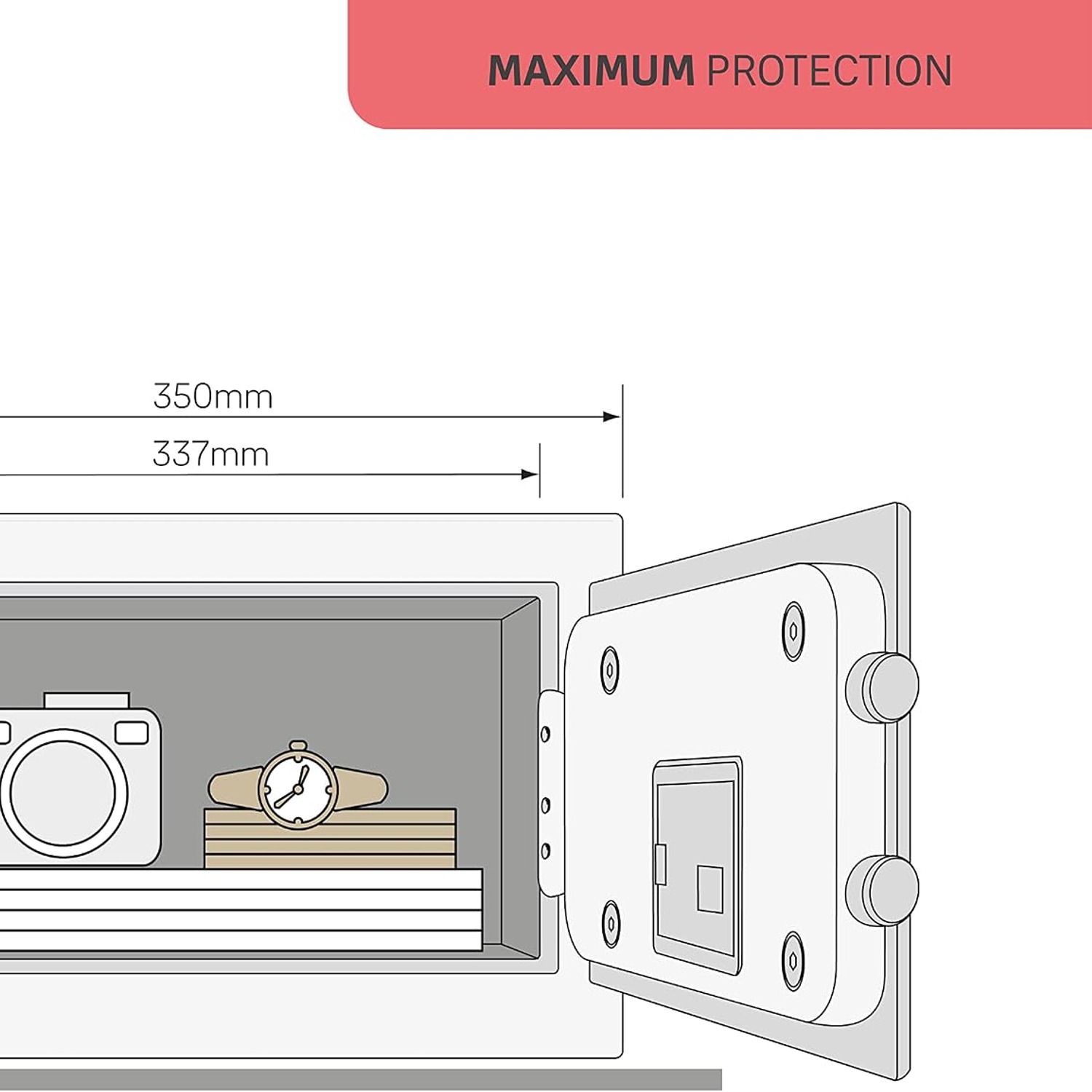
The maker lists an 18.6 L capacity. However, the supplied chamber measurements do not agree with the overall dimensions. That means the maker's description cannot reliably tell you the exact size of an item that will fit inside.
This matters most for rigid objects. A camera body, presentation box or document folder may be too large for the door opening even when its total volume sounds small enough. Capacity and usable shape are different things.
Measure your largest item, including any protective case. Request confirmed internal width, depth, height and door-opening measurements before buying for a precise fit. If you are comparing compact home safe options, this check is more useful than relying on the capacity figure alone.
Decide between wall and floor mounting
This model has pre-drilled holes and lists both wall and floor mounting. The right choice depends on your building and the position that gives you practical access.
A wall mounted home safe needs a suitable supporting structure. Do not assume a thin cupboard panel or decorative wall lining is an adequate fixing point. The safe's weight and the contents both need to be considered.
For a floor mounted safe, check the floor material and the correct fixing method. Think about concealed pipes, cables and any restrictions on drilling. Mounting hardware is not confirmed by the maker, so check what is included before arranging installation.
If you are unsure about the surface or fixing choice, get advice from a qualified installer. In a rented home, seek permission before making holes.
Plan what you will store
A personal valuables safe works best when it has a clear purpose. Make a short inventory before buying. Include protective boxes, pouches and cases, not just the bare items.
For jewellery, keeping pieces apart can help prevent tangles and contact damage. The safe has hanging hooks, but their load limits and dimensions are not specified. Check their intended use before relying on them for particular belongings.
For cash, think about access as well as storage. A cash storage safe may be opened often, so choose a position where you can use the keypad without awkward reaching. Ask your insurer about any limits that apply.
Documents need a separate fit check. Do not assume standard folders will lie flat. Confirm the chamber size before using this as a document storage safe, especially if papers must stay unfolded.
Understand the fire and water limits
The maker lists a fire-retardant feature. No tested fire rating, exposure temperature or protection period is provided. That is not enough information to promise that documents or other contents will survive a fire.
If fire protection is your main reason for buying, look for a documented rating that suits the contents you plan to store. Paper and digital media can have different protection needs. Ask for the relevant evidence rather than judging by the safe's weight or appearance.
Water protection is clearer. This safe is listed as not water resistant. Keep it away from likely leaks and splashes, and consider the risk of water reaching the chosen location.
A heavy duty home safe should still be selected for the risks you actually face. Weight, lock type and fire performance describe different things.
Make daily access practical
The internal light is useful when the safe sits inside a dim cupboard. It helps you see the contents without relying only on room lighting. Keeping the interior tidy will also make smaller items easier to find.
Choose a location where you can read the LCD display and press the buttons comfortably. A low position may suit the room but require bending each time. A higher position needs careful thought about support and safe handling.
Limit PIN sharing to people who need access. Avoid leaving the code on a note beside the safe. Have a clear plan for the override key too, so backup access does not become the weak point in your storage routine.
Care for the safe and its installation
Routine care can stay simple. Wipe the exterior with a soft cloth and keep liquids away from the keypad and lock. Do not spray cleaner directly onto the controls.
Follow the supplied instructions for power, code changes and any maintenance. Battery requirements are not given by the maker, so do not buy batteries based on a guess. Check the manual or confirm the details before setup.
Inspect the mounting points from time to time. If the safe moves or the fixings appear loose, arrange a check rather than carrying on as though nothing has changed. Avoid forcing the door if stored items block it.
Keep the instructions and purchase details somewhere accessible outside the safe. They may be useful when you need setup advice or support.
Check the order details before buying
Delivery timing, a product warranty and a return window are not specified by the maker. Review our current terms before ordering, especially if the safe is needed by a set date.
If it is a gift, check the recipient's space and willingness to install it first. A 15.7 kg cabinet safe is a practical purchase that benefits from planning. It is worth confirming fit rather than leaving the installation decision until after delivery.
Ask about any unresolved detail that affects your decision. Internal measurements, mounting hardware and power requirements are sensible questions. For insured valuables, add the required security rating to that list.
The short version
This home safe offers electronic PIN access, an LCD display, an internal light and a backup key. It also has pre-drilled mounting holes, an anti-drill plate and a one-minute lockout after three incorrect PIN attempts.
Choose it only after confirming that the usable interior and installation method suit your needs. It is not water resistant, and no tested fire or burglary rating is specified. Those checks will help you choose a safe for your belongings, rather than just for its name.